Artichoke Leaf Powder

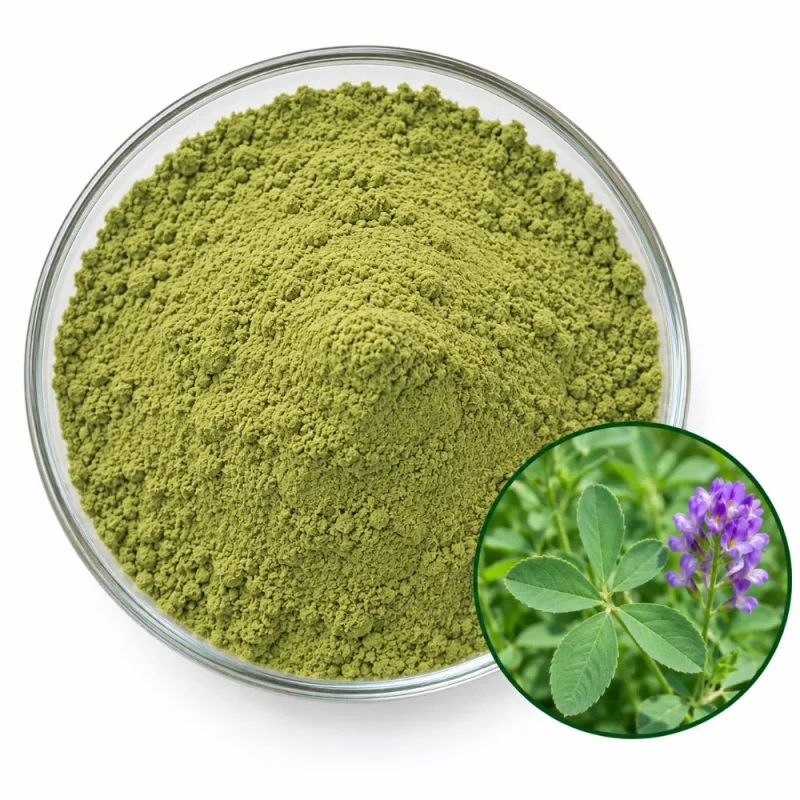
Drying and milling the basal leaves of Cynara scolymus, the globe artichoke plant, gives artichoke leaf powder. The powder is made from the leaf only, not the edible flower bud, and it carries the bitter taste and green color that characterize the leaf.

It is supplied at 80 mesh, with 40, 60 and 100 mesh optional, as a green powder with a herbal, grassy odor and a persistent bitter taste. Unlike artichoke extract powder or a cynarin-standardized extract, it is raw milled leaf, so fiber, color and bitterness are those of the whole leaf.

Cynara scolymus Raw Material & Plant Part

The scientific name is Cynara scolymus L., family Asteraceae, the globe artichoke. The part used is the leaf, the large, deeply lobed basal leaves that are harvested, dried and milled. The edible flower bud, its bracts, the receptacle, the stems and the roots are not part of this raw material, and the distinction matters because artichoke is used in several forms.

The globe artichoke is often treated as a cultivated form of the cardoon, and some references name it Cynara cardunculus var. scolymus. The Jerusalem artichoke, Helianthus tuberosus, is an unrelated plant with edible tubers, and the common name causes frequent mix-ups in trade.

The leaf is intensely bitter. The bitterness is attributed to sesquiterpene lactones, notably cynaropicrin, and to caffeoylquinic acids, with the literature divided on the weight of each. Cynarin, usually identified as 1,3-dicaffeoylquinic acid, is the best-known caffeoylquinic compound and is sometimes confused with its 1,5-isomer.

The dried leaf is fibrous and green, and the powder is a medium green with a rough texture.

In a specification, artichoke leaf powder should state the part in words. Listings that read artichoke powder may mean the flower bud, a whole-plant material or the leaf, and the words dried leaf, together with the species name and the mesh, make the raw material unambiguous for quality and regulatory staff.
Artichoke Leaf Powder vs Extract

FormWhat It IsChoose It When
Artichoke Leaf PowderMilled dried leaf with its fiberWhole-leaf inclusion in capsules, blends and drinks
Artichoke Extract PowderWater-extracted leaf powder with the insoluble fiber removedA lower inclusion rate or a more soluble format
Artichoke Extract 0.5–5% CynarinLeaf extract standardized to a cynarin rangeA defined marker content is required
1,3-Dicaffeoylquinic Acid 98%Single-compound 1,3-dicaffeoylquinic acidAn isolated reference-grade compound is needed

The leaf powder keeps the fiber, the bitter constituents and the whole range of leaf compounds at their natural, lower concentration. Inclusion rates are higher than for an extract, the bitter taste is stronger and the powder only disperses in liquids. The extract removes fiber and concentrates soluble constituents, the standardized extract is defined by a marker compound and the single compound is a different ingredient. Choose artichoke leaf powder where the whole leaf is wanted, and an extract or isolate where a defined marker or solubility is needed.

Bitterness and color separate the forms. Artichoke leaf powder is green and persistently bitter, while an extract powder is lighter in color and flavor, and a single caffeoylquinic compound is a colorless-to-pale reference-grade ingredient.

Typical Specifications

Specification ItemProduct Information
Latin NameCynara scolymus
Plant PartLeaf & Herb
ProcessingMilled
Common NameArtichoke leaf, globe artichoke leaf
Raw MaterialDried leaf
Ingredient TypeMilled Powder
AppearanceGreen powder (natural color of the dried material)
Odor & TasteHerbal, grassy odor, persistent bitter taste
Solubility / DispersibilityWater Dispersible
Quality Parameters
Moisture (LOD)≤8.0%
Particle Size80 mesh (40 / 60 / 100 mesh optional)
Heavy MetalsLead ≤2 ppm · Arsenic ≤1 ppm · Cadmium ≤1 ppm · Mercury ≤0.1 ppm
MicrobiologyTPC ≤10,000 cfu/g · Yeast & Mold ≤1,000 cfu/g · E. coli Negative · Salmonella Negative/25 g
Shelf Life24 months in unopened original packaging, cool and dry storage

Application Areas

Capsule and tablet fills

Artichoke leaf powder is bitter, so closed formats such as capsules and coated tablets keep the taste away from the tongue. The powder is bulky and fibrous, so fills are volume-limited, and the dose is by weight in milligrams.

Tea-style infusions

The leaf is a traditional infusion herb, and coarser mesh grades suit tea bags. The brew is green-brown and bitter, so lemon, mint or honey are common partners, and steeping time sets the strength. A pinch of dried peel often improves acceptance.

Powder sticks and drink mixes

Dry mixes blend the powder with strong flavors and sweeteners to cover the bitterness. The fiber does not dissolve, so the drink is cloudy, and a suspension aid keeps particles up while the drink is served. Taste panels set the final level.

Savory and bitter-style blends

In herbal bitter blends and savory seasonings the leaf powder adds a bitter, herbal edge. Taste tests set the practical level, since the bitterness is persistent and a small excess dominates the product. Results are noted for each trial.

Handling & Blending Notes

Bitterness is the first handling point. The persistent taste carries into any shared equipment, so dedicated scoops and a thorough wet clean between products avoid carry-over. In liquids the bitterness is balanced with citrus, mint, sweeteners or cocoa, and small test series show the threshold.

Color and chemistry add a second point. Artichoke leaf powder is green, and the chlorophyll fades in acid, heat and light. The caffeoylquinic acids in the leaf darken on contact with iron or copper, so stainless steel and glass are preferred over mild steel, and acidic drinks are tested for color change.

Flow, moisture and mesh complete the plan. The fibrous powder takes up moisture, forms lumps and bridges in hoppers, so dry rooms, wide outlets and moisture-barrier bags are standard. The 80 mesh grade suits capsules and most blends, 40 and 60 mesh stay in a tea bag, and 100 mesh disperses more evenly in a drink. Opened containers are used promptly and stored in a cool, dry area away from strong aromas.

Storage after opening matters for color and flavor. Artichoke leaf powder is kept in the original barrier bag, rolled and clipped or heat-sealed, and returned to a cool, dry room. It takes up moisture and odors quickly, and a separate shelf away from spices and strong flavors keeps the powder clean.

Packaging & Commercial Supply

Essencefield supports product evaluation, formulation trials, commercial orders, and ongoing ingredient supply. Packaging, storage, and shipping arrangements are determined by product characteristics, order quantity, stability requirements, and destination-market needs.

Supply ItemGeneral Information
SampleAvailable upon request for formulation, testing, and supplier evaluation
Order Quantities100 g · 1 kg · 5 kg · 25 kg · 100 kg · 500 kg · Bulk
Sample Lead TimeTypically 5–7 days after sample confirmation
Production Lead TimeTypically 15–30 days after order and specification confirmation
PackagingSuitable protective inner packaging with bags, cartons, drums, or other appropriate outer packaging
StorageStore in tightly sealed, suitable protective packaging in a cool, dry environment. Protect from moisture, heat, and direct sunlight. Specific storage conditions follow the approved product specification.
DocumentationCOA · Product Specification · TDS · SDS · Applicable declarations (as applicable)

Final order quantities, lead times, packaging, documentation, and shipping arrangements are confirmed according to the selected product and commercial requirements.

Request Ingredient Specifications & Quote

Share your target specification, application, quantity, and documentation needs. We’ll help confirm suitable options, samples, and commercial supply details.