Ginger Root Powder

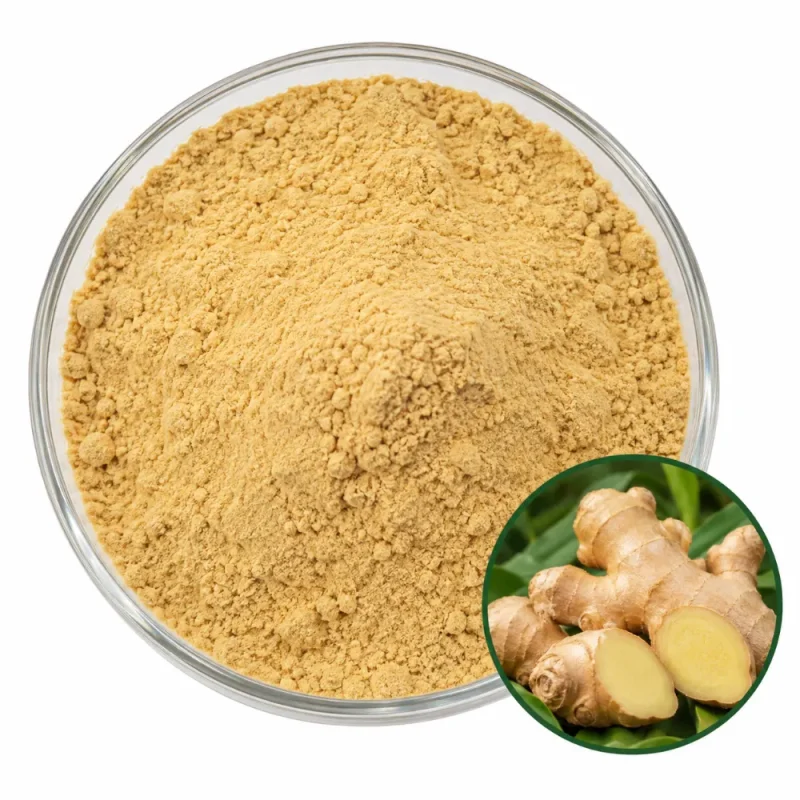
Cleaning, drying and milling the rhizome of Zingiber officinale gives ginger root powder, the pale yellow spice and ingredient known from kitchens and from dietary supplement blends. The powder is made from the rhizome alone and keeps its starch, fiber, volatile oil and the full pungent family of the spice.

It is supplied at 80 mesh, with 40, 60 and 100 mesh optional, as a light yellow powder with a warm, spicy, citrus-edged aroma and a sharp, lingering bite. Unlike ginger extract powder or a gingerol-graded extract, it is raw milled rhizome, so the pungent compounds are a small share of its weight.

Zingiber officinale Raw Material & Plant Part

The scientific name is Zingiber officinale Roscoe, family Zingiberaceae. The part used is the rhizome, the thick underground stem that the trade calls ginger root. The rhizome is harvested, cleaned, sliced or left whole, dried and milled. Leaves, flower spikes and the fine feeder roots are not part of this raw material. Fresh ginger is also marketed, but its high water content makes it a different material from the dried, milled rhizome used here.

Several plants carry the word ginger without being the same species. Bitter ginger, Zingiber zerumbet, is a different species, galangal belongs to another genus, and black ginger, Kaempferia parviflora, is an unrelated plant. The pungency of the spice comes from the gingerols, phenolic ketones that turn into sharper shogaols on drying and heat. The aroma comes from a volatile oil rich in sesquiterpenes. Both families are named here as traits of the plant, without figures.

Drying shapes the flavor of ginger root powder. Fresh rhizome has a green, lemony note that fades as the water leaves, and the dried material has the sharper, drier bite associated with the spice. Whether the skin is removed before drying also changes the shade: peeled rhizome gives a paler powder, while unpeeled material adds skin fiber and a slightly darker, earthier tone. The color of the finished powder therefore varies a little from lot to lot, and a retained sample is the working reference.
Ginger Powder vs Extract

FormWhat It IsChoose It When
Milled Ginger RhizomeDried rhizome ground to a powder, no extractionThe whole spice, fiber and starch are wanted
Ginger Extract PowderConcentrated 10:1 ratio extract of the rhizomeA smaller, more dispersible ginger fill is needed
Ginger Extract 5–20% GingerolsRhizome extract carrying an HPLC gingerol gradeA gingerol figure must appear in the specification
6-Gingerol 98%Single purified compound from gingerOne defined pungent compound is the ingredient

The powder keeps the fiber and the whole constituent spectrum of the rhizome at its natural concentration. Inclusion rates are therefore higher than for an extract, the taste is stronger and more spice-like, and the fiber adds bulk to a blend. A ginger powder is the right choice when a recipe wants the character of the spice itself, and an extract is the step up when dose, dispersion or a marker figure drives the design.

Fiber is the practical difference in processing. It holds water, so a blend with a high share of milled ginger feels dry and absorbent, and a drink made from the powder leaves insoluble sediment that an extract avoids. In return, the powder costs no extraction step and carries the complete aroma of the spice, which is the reason bakers and seasoning makers keep choosing it.

Typical Specifications

Specification ItemProduct Information
Latin NameZingiber officinale
Plant PartRoot & Rhizome
ProcessingMilled
Common NameGinger
Raw MaterialDried rhizome
Ingredient TypeMilled Powder
AppearanceLight Yellow powder (natural color of the dried material)
Odor & TasteWarm, spicy, citrus-edged aroma; sharp, lingering bite
Solubility / DispersibilityWater Dispersible
Quality Parameters
Moisture (LOD)≤8.0%
Particle Size80 mesh (40 / 60 / 100 mesh optional)
Heavy MetalsLead ≤2 ppm · Arsenic ≤1 ppm · Cadmium ≤1 ppm · Mercury ≤0.1 ppm
MicrobiologyTPC ≤10,000 cfu/g · Yeast & Mold ≤1,000 cfu/g · E. coli Negative · Salmonella Negative/25 g
Shelf Life24 months in unopened original packaging, cool and dry storage

Application Areas

Baked Goods and Biscuits

Ginger root powder is the classic spice of gingerbread, biscuits and spiced cakes. It goes into the dry mix with flour and other spices, and the starch in the powder takes up some liquid, so doughs may need a small water adjustment to keep the texture.

Tea Bags and Herbal Infusions

Coarse grades of the powder, at 40 mesh, fill tea bags without leaking through the paper, and they give a warm, peppery cup. Finer grades cloud the infusion and settle at the bottom, so choose the mesh by how clear the drink should be.

Capsule and Tablet Fills

Capsules take the 80 mesh grade, and the fiber makes the powder bulky, so it fills at a lower weight per capsule than an extract. A flow agent keeps the fill even, and tablets need a binder, since the fibrous powder compresses unevenly.

Seasoning and Sauce Blends

In seasoning mixes, rubs and curry-style blends the powder disperses with other dry spices and releases its pungency when it meets moisture or heat. It pairs with garlic, turmeric and citrus peel, and dosing by taste trial prevents harsh, overpowering batches.

Handling & Blending Notes

Ginger root powder is hygroscopic, and the starch swells when it meets moisture, so open bags and bulk drums should be closed after every draw. Damp powder cakes and loses its aroma, and the aroma itself is carried by volatile oils that escape slowly during storage. Dusting is a practical concern because the fine powder is irritating to the nose and eyes, so local extraction and masks are used at transfer points.

Mesh size decides how the powder behaves. Coarser grades flow well and suit tea bags, while 80 mesh and finer grades blend smoothly into capsules and tablets but may bridge in hoppers. Pre-blend the powder with other dry ingredients in steps, since its pungency is strong enough to need even distribution. Odor and taste can be masked in bland bases with citrus, honey or cocoa, and storage after opening should be cool, dry and away from strongly scented ingredients that the powder can absorb.

A milled rhizome carries a higher natural microbial load than an extract, which is why the powder limits for total plate count and yeast and mold are set above the extract limits. Formulas that are heated or baked deal with this in the process, while uncooked blends rely on clean handling, closed containers and dry storage. Weigh from a single opened bag at a time, and mark the date of opening on the container.

Packaging & Commercial Supply

Essencefield supports product evaluation, formulation trials, commercial orders, and ongoing ingredient supply. Packaging, storage, and shipping arrangements are determined by product characteristics, order quantity, stability requirements, and destination-market needs.

Supply ItemGeneral Information
SampleAvailable upon request for formulation, testing, and supplier evaluation
Order Quantities100 g · 1 kg · 5 kg · 25 kg · 100 kg · 500 kg · Bulk
Sample Lead TimeTypically 5–7 days after sample confirmation
Production Lead TimeTypically 15–30 days after order and specification confirmation
PackagingSuitable protective inner packaging with bags, cartons, drums, or other appropriate outer packaging
StorageStore in tightly sealed, suitable protective packaging in a cool, dry environment. Protect from moisture, heat, and direct sunlight. Specific storage conditions follow the approved product specification.
DocumentationCOA · Product Specification · TDS · SDS · Applicable declarations (as applicable)

Final order quantities, lead times, packaging, documentation, and shipping arrangements are confirmed according to the selected product and commercial requirements.

Request Ingredient Specifications & Quote

Share your target specification, application, quantity, and documentation needs. We’ll help confirm suitable options, samples, and commercial supply details.