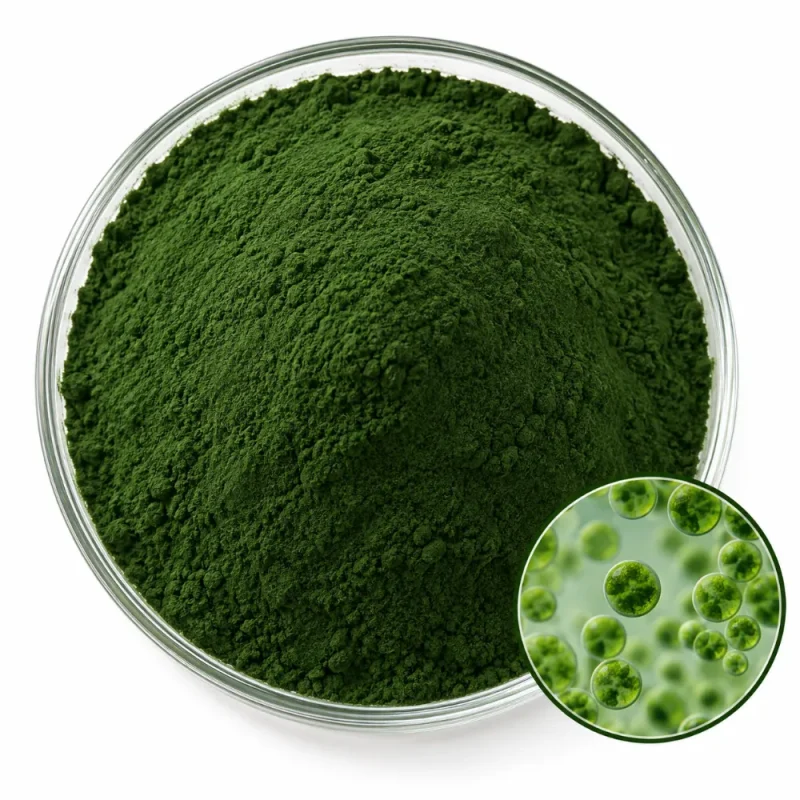
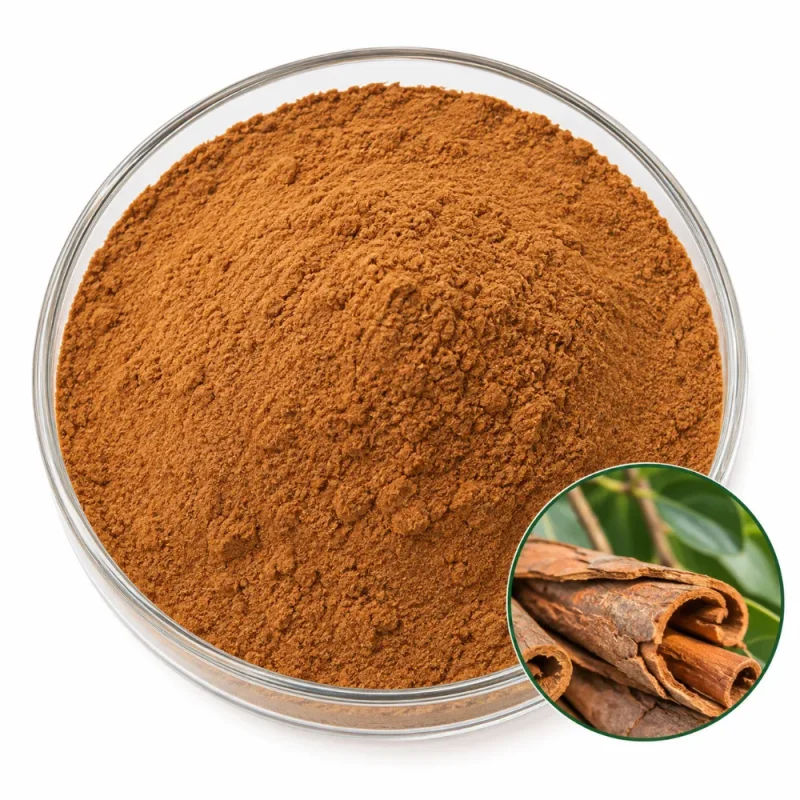
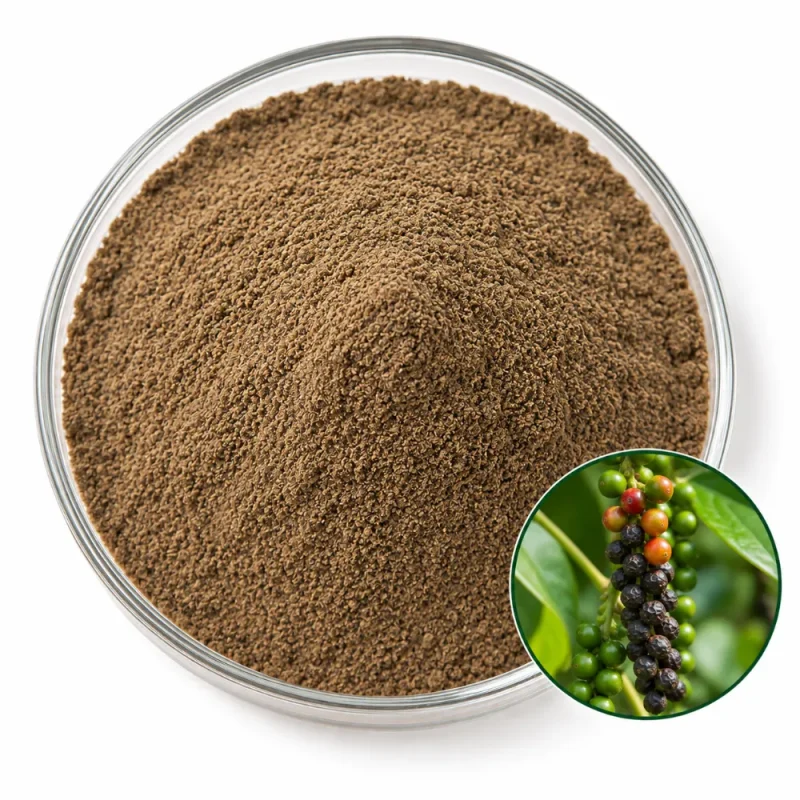
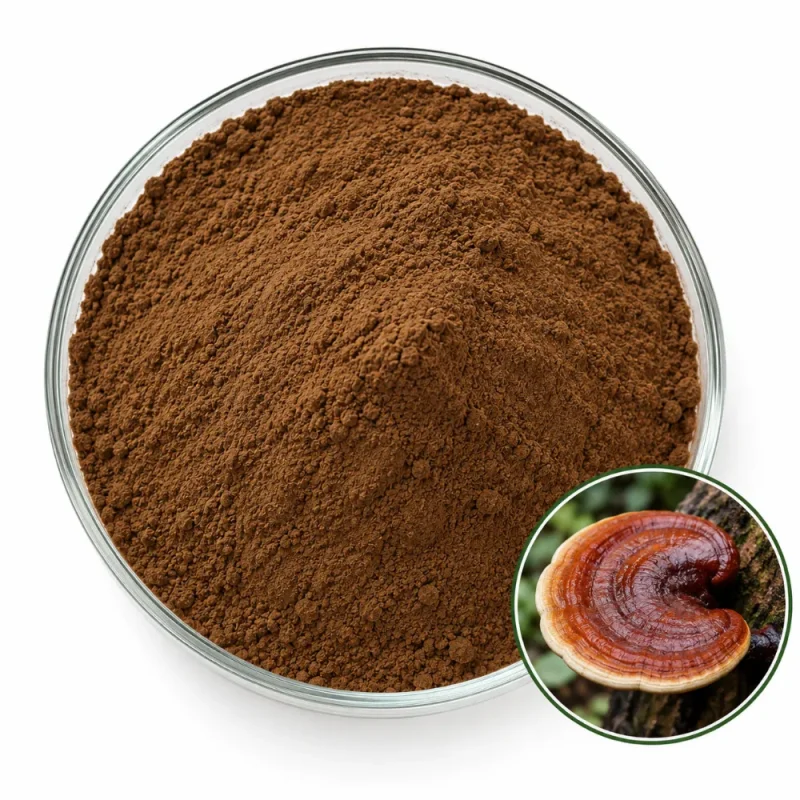
Camellia sinensis Raw Material & Plant Part
The species is Camellia sinensis (L.) Kuntze, family Theaceae, the single plant behind green, black, white, oolong and pu-erh tea. Processing, not botany, separates them. For green tea leaf, heat applied soon after plucking inactivates the enzyme that browns the leaf, by steaming in Japan or pan-firing in China, so the catechins stay largely unoxidized and the leaf keeps a green color. The part used is the leaf; stems, flowers and seeds are not part of the raw material, and seed oils come from a different plant, Camellia oleifera.
The usual confusion is with matcha, the product of shade-grown leaf with the veins removed and a stone-milling step, which is greener and richer in theanine. Green tea leaf powder is not matcha and makes no claim to its shade or grade. The constituent families of the leaf, catechins, caffeine and chlorophyll, are named here as traits of the plant, without figures. Tea leaf also accumulates fluoride and aluminum from the soil, so the sourcing of leaf matters for the metal limits in the specification.
Leaf age changes the powder as well. Young leaf and buds are softer, higher in amino acids and less bitter, while older leaf is coarser and more astringent, so two lots of green tea leaf powder can taste different even when both are properly processed. The shade of a lot also follows the kill-green method, since steamed leaf is typically a brighter green than pan-fired leaf, which has a toasted note. These differences are natural and are checked against a retained sample of the lot.