Soybean Peptide Powder

Made from Glycine max seed protein, soybean peptide powder is an enzymatic hydrolysate in which the storage proteins glycinin and β-conglycinin have been cut into short peptide chains and dried. It is a hydrolysate and not a soy protein isolate, and it dissolves in water to a light yellow solution.

Peptide content is ≥75% and protein ≥85% on a dry basis (Kjeldahl N × 6.25), with an average molecular weight ≤3,000 Da by SEC-HPLC. Moisture is ≤7.0% and the powder is milled to 80 mesh for dry blends, bars and drinks.

Soybean Protein & Enzymatic Hydrolysis

Soy proteins are sold in forms that differ in how far the chains are cut. A soy protein isolate or concentrate keeps intact chains and is made by separating protein from carbohydrate and fiber. A hydrolysate has been partly digested by enzymes, and a peptide product is a hydrolysate in which most of the protein is reduced to short chains. Soybean peptide powder belongs to the last group, and it should not be described with isolate language.

The source is the seed of Glycine max (L.) Merr. Two globulins make up most of its storage protein: glycinin, the larger 11S protein, and β-conglycinin, the 7S protein. Both fold into compact, multi-subunit structures that dissolve slowly and gel on heating. Proteases open these structures and shorten the chains, so the hydrolysate stays soluble across pH and does not gel in the way that intact soy protein does.

Soybeans are harvested at maturity, dried and cleaned before processing. The seed carries both oil and protein, so a protein ingredient starts from material in which the oil has been removed, and soybean peptide powder therefore has little in common with whole soybean flour or milled seed.

Other soybean products in the catalog start from different material. Black Soybean Peptide Powder uses a black-seeded type, Natto Peptide Powder comes from fermented soybean, and Black Soybean Powder is the milled seed, with no peptide specification.
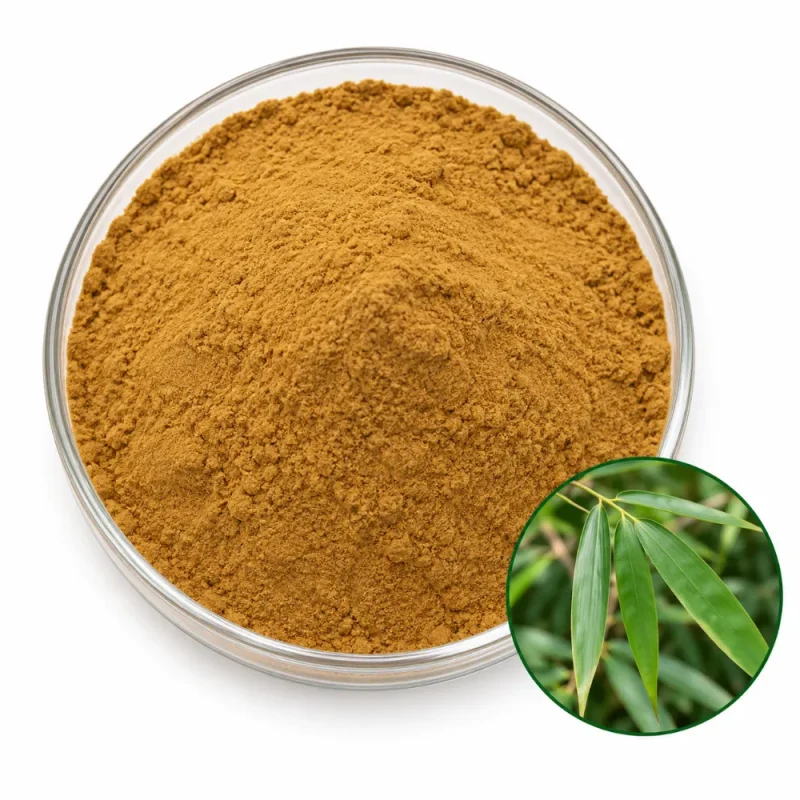
Soybean Peptide Profile & Molecular Weight

The protein value of ≥85% and the peptide value of ≥75% report different things. The first comes from Kjeldahl nitrogen multiplied by 6.25, which counts all nitrogen in the sample, including free amino acids and small peptides, as if it were protein. The second reports the hydrolysed fraction, the short chains the enzymes have produced. A hydrolysate can show a high protein number while still holding unhydrolysed chains, which is why both are listed.

Average molecular weight ≤3,000 Da by SEC-HPLC is a mean across the whole distribution. It describes how far the digestion has gone and does not say how much of the mass lies below 1,000 Da, so no statement about small fractions is made. A narrow distribution at low mass usually dissolves faster and clarifies better than a broad one.

Soybean protein is rich in glutamic acid, aspartic acid, leucine and lysine residues, and its peptides are comparatively balanced in amino acid character. Hydrolysis also exposes hydrophobic residues that were buried in the folded protein, which accounts for the bitterness that soy hydrolysates can show and that is addressed under solubility and taste.

Typical Specifications

Specification ItemProduct Information
Latin NameGlycine max
Plant PartSeed & Grain
ProcessingEnzymatic Hydrolysis
Common NameSoybean peptide
Protein SourceSeed Protein
Ingredient TypeEnzymatic Protein Hydrolysate (Peptides)
Peptide Content≥75% (dry basis)
Protein≥85% (dry basis, Kjeldahl N × 6.25)
Molecular WeightAverage MW ≤3,000 Da (SEC-HPLC)
AppearanceLight Yellow powder
SensoryMild bean-like flavor; slight bitterness from hydrophobic peptides
Solubility / DispersibilityWater Soluble
Quality Parameters
Moisture≤7.0% (LOD)
Particle Size80 mesh
Heavy MetalsLead ≤2 ppm · Arsenic ≤1 ppm · Cadmium ≤1 ppm · Mercury ≤0.1 ppm
MicrobiologyTPC ≤1,000 cfu/g · Yeast & Mold ≤100 cfu/g · E. coli Negative · Salmonella Negative/25 g
Shelf Life24 months in unopened original packaging, cool and dry storage

Application Areas

Instant Soy-Style Protein Drinks

Soybean peptide powder dissolves in cold water without the sediment that intact soy protein leaves, which suits shaker bottles and stick packs. Chocolate, coffee and roasted-grain flavors cover the bean note, and the solution is judged after standing for five minutes.

Protein Bars and Wafers

Because short chains bind less water than intact protein, soybean peptide gives bars a softer, less rubbery bite. It also browns with reducing sugars, so syrup choice and baking profile are tuned for color, and bar hardness is compared after a week of storage.

Dry Soup and Savory Bases

In dry soups the peptide adds savory body and mild umami, since free glutamic acid is released during hydrolysis. Salt and yeast extract complement the flavor, while the powder dissolves instantly in hot water without clumping.

Capsule and Sachet Formats

Capsules take the powder at moderate fill weights, although the hygroscopic surface can bridge in the hopper. Sachets perform best with a desiccant liner, because the peptide pulls moisture from the air within minutes of the pack being opened.

Solubility, Taste & Heat Behavior

Soybean peptide powder is water soluble across the pH range of most beverages and remains clear to slightly hazy at moderate concentration. Unlike intact soy protein, it does not coagulate at its isoelectric point or gel on heating, so acidic drinks, hot-filled products and concentrated syrups stay fluid.

Bitterness is the main sensory issue. It arises from hydrophobic amino acids such as leucine, valine and phenylalanine, which sit at chain ends after hydrolysis, and it rises with the degree of hydrolysis. Sweet and strongly flavored systems hide it well, savory systems take it as part of the profile, and a moderate inclusion level keeps it low. A beany background note from the seed can also be present.

The peptides carry free amino groups that react with reducing sugars when heated, leading to Maillard browning and cooked notes in bars and baked pieces. In a clear drink the same reaction darkens the liquid during hot filling or storage, so cold filling is preferred when color matters.

The powder is hygroscopic and cakes quickly in open air, so containers should be resealed after use.

Heat tolerance is high for a dry powder. Soybean peptide can be spray-dried, baked into bars or held in hot-filled drinks without gelling, and the main change is color, which deepens with sugar and time. Soybean peptide powder keeps its solubility after storage if it stays dry, and clumped lots disperse again with brief high-shear mixing.

Packaging & Commercial Supply

Essencefield supports product evaluation, formulation trials, commercial orders, and ongoing ingredient supply. Packaging, storage, and shipping arrangements are determined by product characteristics, order quantity, stability requirements, and destination-market needs.

Supply ItemGeneral Information
SampleAvailable upon request for formulation, testing, and supplier evaluation
Order Quantities100 g · 1 kg · 5 kg · 25 kg · 100 kg · 500 kg · Bulk
Sample Lead TimeTypically 5–7 days after sample confirmation
Production Lead TimeTypically 15–30 days after order and specification confirmation
PackagingSuitable protective inner packaging with bags, cartons, drums, or other appropriate outer packaging
StorageStore in tightly sealed, suitable protective packaging in a cool, dry environment. Protect from moisture, heat, and direct sunlight. Specific storage conditions follow the approved product specification.
DocumentationCOA · Product Specification · TDS · SDS · Applicable declarations (as applicable)

Final order quantities, lead times, packaging, documentation, and shipping arrangements are confirmed according to the selected product and commercial requirements.

Request Ingredient Specifications & Quote

Share your target specification, application, quantity, and documentation needs. We’ll help confirm suitable options, samples, and commercial supply details.