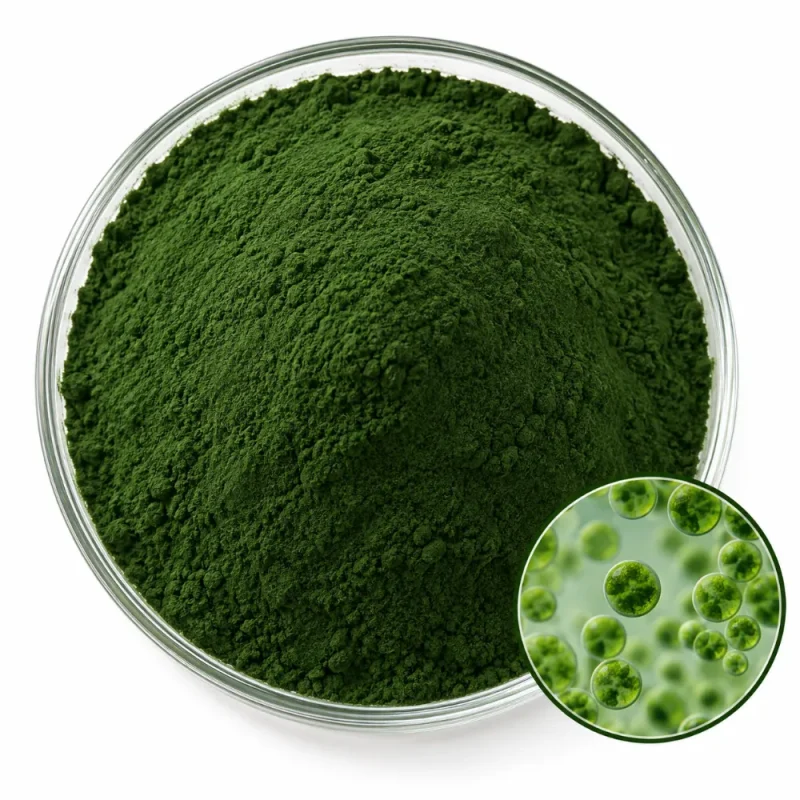
Spirulina Powder

Drying and milling the harvested biomass of the blue-green microalga Arthrospira platensis, a filamentous cyanobacterium grown in alkaline water, gives spirulina powder. The whole algal biomass is used, and no extraction step removes any fraction of it.

It is supplied at 80 mesh, with 40, 60 and 100 mesh optional, as a dark green powder with a marine, sea-vegetable odor. Unlike spirulina polysaccharide powder, spirulina oligopeptide powder or the blue pigment, it is the whole alga, so color, flavor and nutrient background are those of the entire biomass.

Arthrospira platensis Raw Material & Plant Part

The scientific name is Arthrospira platensis Gomont. The alga was long sold under the genus name Spirulina, which is still the trade name, although the botanical genus is Arthrospira. It is a cyanobacterium, not a true algae or a plant, and forms spiral filaments about the width of a hair. The raw material is the whole harvested biomass, washed, dried and milled.

Confusion arises from the many products derived from the same alga: the phycocyanin pigment, protein hydrolysates, polysaccharide fractions and oil. Each of these is a fraction of the biomass, while the powder is the whole. Other microalgae such as chlorella are different organisms with different cell walls and colors.

The color results from two pigment systems: chlorophyll in green and phycocyanin in blue, which together give a deep blue-green to dark green powder. Phycocyanin is water soluble and readily leaches into liquids, tinting them blue-green, while the chlorophyll stays in the particles.

In a specification, spirulina powder should state that it is whole biomass. Listings for phycocyanin, protein concentrates and hydrolysates also use the word spirulina, and a buyer who writes only spirulina leaves the fraction open. The words whole algae, the species name and the mesh make the raw material unambiguous for quality and regulatory staff.
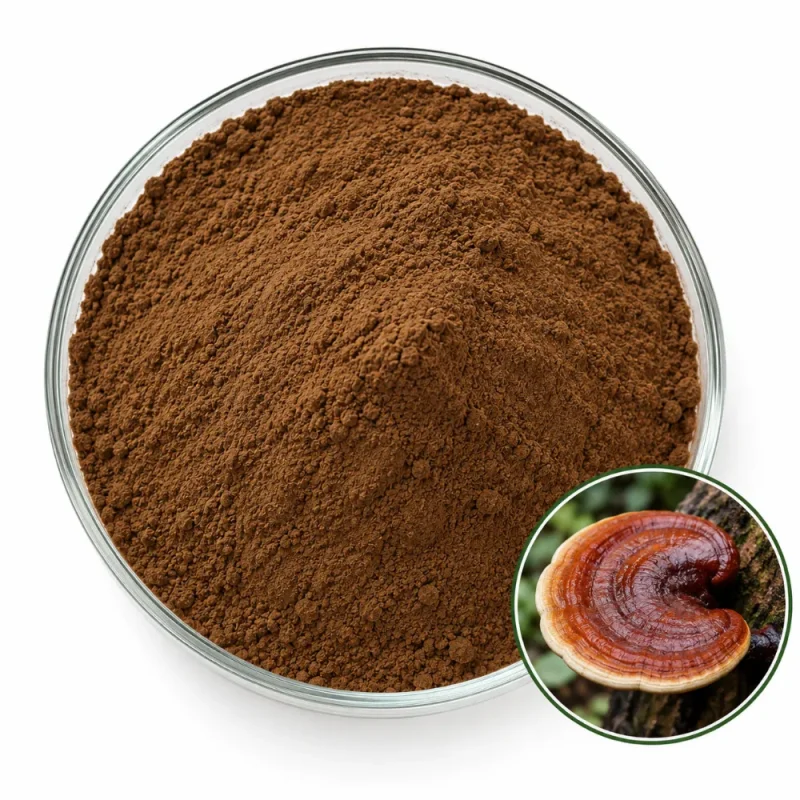
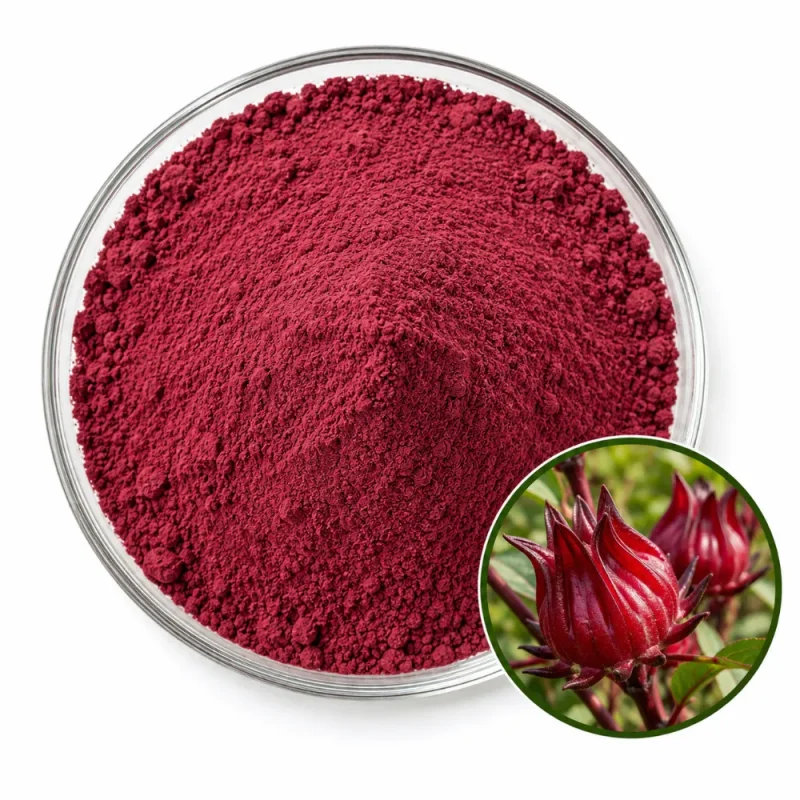
Spirulina Powder vs Fraction Ingredients

FormWhat It IsChoose It When
Spirulina Whole Algae PowderMilled dried whole biomassWhole-material inclusion in capsules, tablets and blends
Spirulina Polysaccharide PowderPolysaccharide powder from the same algaA polysaccharide-defined ingredient is required
Spirulina Oligopeptide PowderOligopeptide powder made by hydrolysis of spirulina proteinA peptide-defined, more soluble ingredient is needed

The whole-alga powder carries all fractions of the biomass at their natural proportions, including its strong color and marine flavor, so it cannot be treated as a neutral ingredient. A polysaccharide powder or a peptide powder is a fraction defined by its own constituent and is milder in color and taste. There is no extract of spirulina in the same family of products here, so the practical choice is between the whole alga and a fraction. Use the powder where the whole alga is the point, and a fraction where a defined constituent or neutral taste is needed.

Color and flavor are the practical dividers between spirulina powder and its fractions. The whole alga is deep green and strongly flavored, which limits it in pale or neutral products, while the peptide and polysaccharide fractions are lighter in both color and taste and mix into more product types.

Typical Specifications

Specification ItemProduct Information
Latin NameArthrospira platensis
Plant PartSeaweed & Algae
ProcessingMilled
Common NameSpirulina, blue-green algae
Raw MaterialDried whole algal biomass
Ingredient TypeMilled Powder
AppearanceDark Green powder (natural color of the dried material)
Odor & TasteMarine, sea-vegetable odor
Solubility / DispersibilityWater Dispersible
Quality Parameters
Moisture (LOD)≤8.0%
Particle Size80 mesh (40 / 60 / 100 mesh optional)
Heavy MetalsLead ≤2 ppm · Arsenic ≤1 ppm · Cadmium ≤1 ppm · Mercury ≤0.1 ppm
MicrobiologyTPC ≤10,000 cfu/g · Yeast & Mold ≤1,000 cfu/g · E. coli Negative · Salmonella Negative/25 g
Shelf Life24 months in unopened original packaging, cool and dry storage

Application Areas

Tablets and filled capsules

Spirulina powder is dense for a botanical powder but cohesive, so capsule fills are measured by weight and tablets need a lubricant that avoids sticking. The green color stains tablet cores, and a coating hides it.

Smoothie and drink mixes

Dry mixes pair the powder with fruit, vanilla and citrus flavors that cover the marine note. The pigment leaches into the liquid and gives a green to blue-green tint, which is part of the product look. A stirring step before serving is part of the instructions.

Bars and snack blends

In bars and baked snacks spirulina adds color and a savory note. Sweet and strong flavors like cocoa or mint cover the aroma, and heat tests show how much color is lost during baking. The color change is noted.

Gummies and chews

Chewable formats use spirulina at moderate inclusion with fruit flavors. The deep green hue limits color choices, and the powder is added late in the process to limit heat exposure. Color stability is checked through the shelf life.

Handling & Blending Notes

Spirulina powder is hygroscopic and cohesive. It takes up water from humid air, forms lumps and sticks to equipment, so moisture-barrier bags, dry rooms and immediate resealing are standard. Wide outlets and vibration aids help flow, and anti-caking carriers are used in some premixes.

Color is a handling topic. The phycocyanin pigment leaches into water and stains plastic, steel and hands, and chlorophyll turns olive under acid and heat. Cleaning between products is done with warm water and mild detergents, and acidic drinks are tested for color change over the shelf life.

Mesh choice affects the finished product. The 80 mesh grade suits capsules and most blends, the 100 mesh grade suspends more evenly, and coarser grades are rarely used. The marine odor is masked with citrus, mint, vanilla or cocoa. As a raw powder it is exposed to humidity and odors, so opened packs are used promptly and stored in a cool, dry area, away from strong aromas.

Storage after opening needs a plan. Spirulina powder is closed in its original barrier bag with the air pressed out and stored in a cool, dry room. It absorbs moisture and odors quickly, and the pigment can fade in light, so opaque packaging and a separate shelf keep the powder in good condition.

Packaging & Commercial Supply

Essencefield supports product evaluation, formulation trials, commercial orders, and ongoing ingredient supply. Packaging, storage, and shipping arrangements are determined by product characteristics, order quantity, stability requirements, and destination-market needs.

Supply ItemGeneral Information
SampleAvailable upon request for formulation, testing, and supplier evaluation
Order Quantities100 g · 1 kg · 5 kg · 25 kg · 100 kg · 500 kg · Bulk
Sample Lead TimeTypically 5–7 days after sample confirmation
Production Lead TimeTypically 15–30 days after order and specification confirmation
PackagingSuitable protective inner packaging with bags, cartons, drums, or other appropriate outer packaging
StorageStore in tightly sealed, suitable protective packaging in a cool, dry environment. Protect from moisture, heat, and direct sunlight. Specific storage conditions follow the approved product specification.
DocumentationCOA · Product Specification · TDS · SDS · Applicable declarations (as applicable)

Final order quantities, lead times, packaging, documentation, and shipping arrangements are confirmed according to the selected product and commercial requirements.

Request Ingredient Specifications & Quote

Share your target specification, application, quantity, and documentation needs. We’ll help confirm suitable options, samples, and commercial supply details.