Walnut Peptide Powder

Made from Juglans regia kernel protein, walnut peptide powder is an enzymatic hydrolysate in which the glutelin-rich storage protein of the nut has been cut into short peptide chains and dried. It is a hydrolysate and not a walnut protein isolate, and it dissolves in water to a light yellow solution.

Peptide content is ≥75% and protein ≥85% on a dry basis (Kjeldahl N × 6.25), with an average molecular weight ≤3,000 Da by SEC-HPLC. Moisture is ≤7.0% and the powder is milled to 80 mesh for dry blends and drinks.

Walnut Protein & Enzymatic Hydrolysis

Three terms describe protein ingredients made from nuts, and they are not equivalent. A protein isolate or concentrate keeps intact protein chains and is made by separating protein from oil and carbohydrate. A hydrolysate has been digested with enzymes so that some chains are cut. A peptide product is a hydrolysate in which most of the protein is reduced to short chains, and walnut peptide powder belongs to this group.

The source is the kernel of Juglans regia L., the edible part of the nut inside the shell. Walnut kernel is rich in oil, so a protein ingredient has to start from kernel material from which the oil has been removed, and the oil is a different product with its own chemistry. The storage protein is dominated by glutelin, with albumin and globulin as smaller fractions, and it carries a relatively high share of arginine and glutamic acid residues.

Walnuts are harvested when the hull splits, then dried and shelled. The kernel is delicate and its oil oxidizes readily once the nut is cracked, so handling protects the kernel before protein is recovered. Walnut peptide powder is made from this kernel protein and not from the shell, the skin alone or the leaf.

Controlled hydrolysis with proteases opens the compact glutelin and shortens the chains, raising water solubility, with the degree of hydrolysis limited so that the product stays a mixture of short peptides. Other walnut products in the catalog are different materials: Walnut Powder is the milled kernel, Walnut Extract Powder is a ratio extract, and Walnut Leaf Extract Powder comes from the leaf.
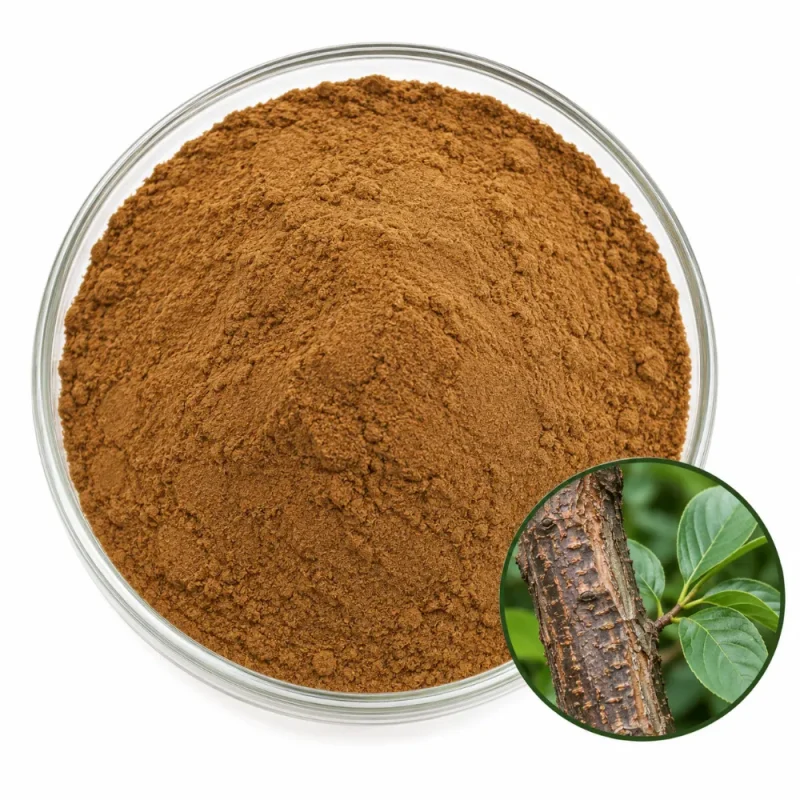
Walnut Peptide Profile & Molecular Weight

Protein ≥85% and peptide ≥75% answer separate questions. The protein value comes from Kjeldahl nitrogen multiplied by 6.25, so every nitrogen-containing component, including free amino acids and the smallest peptides, is counted as if it were whole protein. The peptide value reports the hydrolysed fraction. Quoting both avoids the mistake of reading a high protein number as proof that the material has been digested.

Average molecular weight ≤3,000 Da by SEC-HPLC is a mean across the whole distribution of chains. It describes how far hydrolysis has progressed and makes no claim about the share below 1,000 Da. A narrow, low-mass distribution tends to dissolve faster and give a clearer solution than a broad one, which matters for drinks.

The character of walnut peptides follows the source protein. Arginine and glutamic acid are abundant, while lysine and the sulfur amino acids are relatively low. The peptide mixture is moderately hydrophobic, and that gives the mild bitterness discussed under solubility and taste, which is usually softer than the bitterness of zein-derived or soy-derived peptides.

Typical Specifications

Specification ItemProduct Information
Latin NameJuglans regia
Plant PartSeed & Grain
ProcessingEnzymatic Hydrolysis
Common NameWalnut peptide
Protein SourceKernel Protein
Ingredient TypeEnzymatic Protein Hydrolysate (Peptides)
Peptide Content≥75% (dry basis)
Protein≥85% (dry basis, Kjeldahl N × 6.25)
Molecular WeightAverage MW ≤3,000 Da (SEC-HPLC)
AppearanceLight Yellow powder
SensoryMild nutty flavor; slight bitterness from hydrophobic peptides
Solubility / DispersibilityWater Soluble
Quality Parameters
Moisture≤7.0% (LOD)
Particle Size80 mesh
Heavy MetalsLead ≤2 ppm · Arsenic ≤1 ppm · Cadmium ≤1 ppm · Mercury ≤0.1 ppm
MicrobiologyTPC ≤1,000 cfu/g · Yeast & Mold ≤100 cfu/g · E. coli Negative · Salmonella Negative/25 g
Shelf Life24 months in unopened original packaging, cool and dry storage

Application Areas

Nut-Flavored Protein Drinks

Walnut peptide powder dissolves in cold water, and its mild nutty note matches almond, hazelnut, vanilla and cocoa drink flavors. The solution is lightly tinted, and the finished drink is judged after five minutes, when foam has settled and flavor has developed.

Bars and Nut Clusters

In bars and clusters the powder adds soluble protein with a nutty background that suits seed- and nut-based recipes. It browns with reducing sugars during baking, so bake profile and syrup type are adjusted against the color target, and hardness is compared after a week.

Plant-Based Beverage Bases

Added to oat or rice drink bases, the peptide raises protein content without the chalky mouthfeel of intact protein. Because it is soluble at low pH, it also works in lightly acidic bases, where color and flavor are checked after a night in the cold.

Capsule and Sachet Formats

The powder fills capsules at moderate weights, although its hygroscopic surface can bridge in the hopper. Sachets work best with a desiccant liner and a stir instruction, because the peptide absorbs moisture within minutes of opening.

Solubility, Taste & Heat Behavior

Walnut peptide powder is water soluble across the pH range of common drinks. Because the chains are short, it neither gels nor precipitates on heating, so hot-filled drinks and concentrated syrups stay fluid. Clarity is good at moderate concentration, with a faint haze at higher levels from less soluble fragments.

Flavor is mild and nutty. Bitterness is present at higher inclusion and comes from hydrophobic residues exposed at chain ends after hydrolysis. The nutty background helps to hide it in cocoa, coffee and cereal flavors, while sweeteners and acids also soften it. Walnut kernel is rich in unsaturated oil, and residual oil, if any, can develop a stale note on oxidation, which is a reason to keep the powder sealed and cool.

The peptides carry free amino groups that react with reducing sugars when heated, causing Maillard browning. In baked bars this adds toasty notes, while in a clear drink it appears as darkening during hot filling or long storage, so cold filling is preferred when color matters.

Walnut peptide takes up moisture quickly and cakes in open air, so containers are resealed after each use.

Storage deserves a note for this source. Walnut protein can carry traces of oxidized lipid from the kernel, so a sealed, cool, dark container helps walnut peptide keep a clean nutty profile over its shelf life, and a dry scoop avoids introducing moisture into the pack.

Packaging & Commercial Supply

Essencefield supports product evaluation, formulation trials, commercial orders, and ongoing ingredient supply. Packaging, storage, and shipping arrangements are determined by product characteristics, order quantity, stability requirements, and destination-market needs.

Supply ItemGeneral Information
SampleAvailable upon request for formulation, testing, and supplier evaluation
Order Quantities100 g · 1 kg · 5 kg · 25 kg · 100 kg · 500 kg · Bulk
Sample Lead TimeTypically 5–7 days after sample confirmation
Production Lead TimeTypically 15–30 days after order and specification confirmation
PackagingSuitable protective inner packaging with bags, cartons, drums, or other appropriate outer packaging
StorageStore in tightly sealed, suitable protective packaging in a cool, dry environment. Protect from moisture, heat, and direct sunlight. Specific storage conditions follow the approved product specification.
DocumentationCOA · Product Specification · TDS · SDS · Applicable declarations (as applicable)

Final order quantities, lead times, packaging, documentation, and shipping arrangements are confirmed according to the selected product and commercial requirements.

Request Ingredient Specifications & Quote

Share your target specification, application, quantity, and documentation needs. We’ll help confirm suitable options, samples, and commercial supply details.