
Botanical Ingredient Samples & Bulk Supply
Evaluate botanical ingredients before you buy at commercial volume. We coordinate samples, documents, packaging and production planning around the selected ingredient, grade, quantity and destination market.
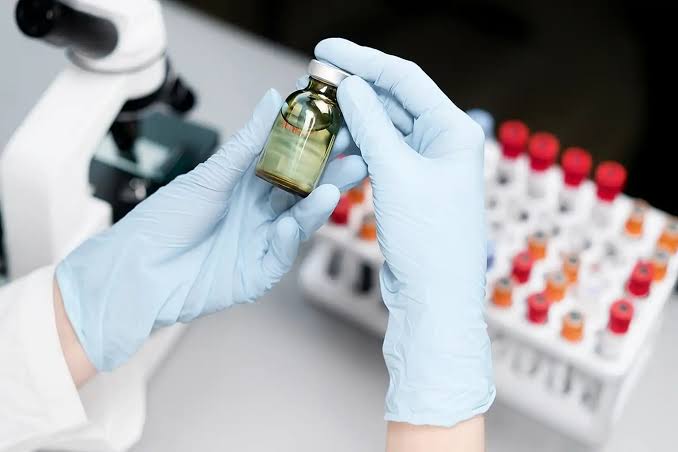
From Sample to Commercial Supply
Purchasing usually starts with evaluation: technical, QA, formulation and procurement teams need material for testing, pilot work or internal approval. Some projects start with a purchasing specification; others with a target ingredient that still needs grade evaluation. If the material isn’t chosen yet, start with Ingredient Sourcing.
Request a Representative Sample
A representative sample should reflect the grade being considered for commercial use. Tell us the ingredient, target grade or specification, application and evaluation quantity; estimated commercial volume, market and document needs help plan the next stage. Include assay, ratio, particle size or carrier requirements where relevant; Specification & Grade Matching helps when several grades exist. Sample testing may lead to specification adjustments before commercial terms are set.
Sample preparation typically takes 5–7 days.
Documents for Evaluation
Documents may include a representative COA, specification, TDS, SDS, botanical identity information and relevant analytical or compliance records, depending on ingredient, grade and market. A representative COA supports early evaluation; the commercial lot is reviewed against its own batch documents.
Evaluate Before Scale-Up
Samples support analytical review, formulation testing and early processing trials: identity and assay, solubility or physical behavior, formula compatibility and pilot performance. Larger trial quantities can be discussed for pilot work.
Sample Approval vs Batch Approval
They are related but not the same. An approved sample confirms that the source, grade and physical profile suit your formula; it doesn’t replace review of the actual production batch. Natural materials can vary in color, odor, density and other non-critical properties, so each commercial lot is checked against the approved specification and its own COA. Approval criteria should focus on the parameters that matter technically and commercially.
From Approved Sample to Commercial Lot
Once accepted, supply moves to an available lot or a production batch, depending on stock and the agreed specification. Purchasing criteria are finalized before order confirmation. Commercial production typically takes 15–30 days.
MOQ, Lead Time and Order Planning
MOQ depends on the ingredient, grade, stock, production, packaging and planned volume, so it is confirmed for each requirement rather than set as one figure. Stocked materials may allow smaller or faster orders; made-to-order grades may need different quantities and timing. Planning can cover evaluation, pilot, first orders and recurring demand.
Packaging for Bulk Orders
Powders and extracts are typically packed in sealed inner bags with cartons, fiber drums or other suitable packaging, chosen by product characteristics, quantity, storage and transport. Moisture- or light-sensitive materials get additional protection. Batch identification, labels, packing information and documents are prepared with the export order.
Batch Consistency for Repeat Orders
Once an ingredient and its purchasing specification are approved, the same criteria guide every following batch. The goal is to keep commercially relevant characteristics within the specification, not to eliminate all natural variation.
Approved specification→Commercial batch→Batch COA→Repeat supply
Recurring programs can also plan around forecast demand, reorder timing and any specification changes.
Plan Your Sample or Bulk Order
Send the ingredient, target grade, quantity, application and destination market. If the specification is still open, send what you have.