
Botanical Ingredients for Functional Foods
Food-grade plant extracts and powders for bars, bakery, dry mixes, cereals and plant-based foods, selected for processing conditions, sensory profile, specification and production scale.
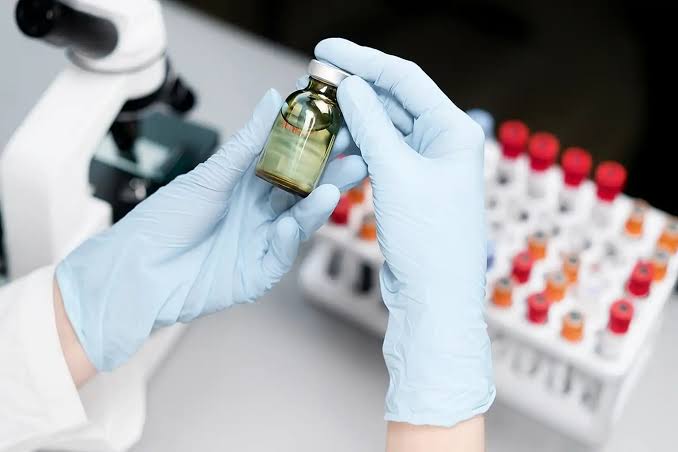
Choosing Botanicals for Food
Food matrix, inclusion level, particle size, dispersibility, moisture, taste, color, heat exposure and labeling all affect the choice. One botanical often comes in several forms. Choose by how much concentration, whole-plant character and sensory impact your formula can take.
A dry nutrition blend suits a fine standardized extract; a bar or bakery product takes whole botanical or fruit powders more easily.
Ingredient Forms by Food System
Food system | Key considerations | Suitable forms |
|---|---|---|
Nutrition bars and bites | Taste, moisture, particle size, texture | Extracts, botanical powders, fruit powders |
Bakery | Heat stability, color, flavor | Extracts, powders, natural colors |
Dry food mixes | Flow, dispersibility, particle size | Fine powders, spray-dried extracts |
Cereals and granola | Heat, blending, particle distribution | Botanical powders, fruit powders, extracts |
Plant-based foods and dairy alternatives | Flavor, color, matrix compatibility | Extracts, powders, polysaccharides |
Confectionery | Heat exposure, taste, color | Standardized extracts, natural colors |
Always confirm the final form in the actual formulation, not from the specification alone.
Factor | Why it matters |
|---|---|
Heat | Affects color, flavor and heat-sensitive constituents |
Moisture | Affects flow, caking, texture and storage |
Dispersibility | Important in dry mixes and reconstituted foods |
Particle size | Influences mouthfeel, blend uniformity and appearance |
Carrier | Affects processing and ingredient declaration |
pH | Changes natural pigments and some plant compounds |
Heat, Moisture and Processing
Extracts and powders behave differently during blending, baking, extrusion and drying. A material that works in a dry blend will not always hold up in a baked bar.
Taste, Color and Texture
Extracts bring bitter, herbal, earthy, fruity, spicy or astringent notes, which grow stronger at higher inclusion levels. Assess them together with sweeteners, proteins, fats, acids and flavors. Natural color varies with source, plant part, concentration and processing, so check the color range during sample evaluation. Whole powders and insoluble plant solids also affect mouthfeel and mixing. For color-led formulas, see Natural Colors.
Clean-Label Considerations
Clean label is not a single technical or regulatory standard. For your product positioning, review:
- Botanical source and plant part
- Whole powder or extract
- Extraction method and solvent
- Carrier or processing aid (spray-dried extracts often contain a carrier such as maltodextrin)
- Ingredient declaration
- Organic or non-GMO requirements
Food-Grade Specifications and Documents
Food-grade limits and test parameters depend on the raw material, process, application and destination market. Check regulatory suitability early: species, plant part and extraction method all affect market acceptance.
Documents: COA, product specification, TDS and SDS, plus applicable declarations such as botanical identity, allergen, country of origin and GMO information. Sample evaluation then confirms taste, dispersibility, mixing behavior and compatibility in your product, because two materials with similar assays often differ in color, taste and handling.
From Sample Approval to Commercial Supply
01 Evaluate
Compare ingredient forms, specifications and sample performance.
02 Approve
Confirm formula fit, documents and the commercial specification.
03 Scale
Move from development quantities to repeat commercial supply.


FAQ
Will the extract survive baking?
It depends on the botanical and the process. Heat changes color, flavor and some constituents, so test the sample in your actual bake conditions.
Do your extracts contain a carrier?
Some spray-dried extracts do. The carrier type and level are shown on the specification; ask us if you need a carrier-free option.