
Natural Food Colors Explained: Types, Sources & Applications
A formulator's guide to natural food colors: anthocyanins, carotenoids, betalains, chlorophylls, phycocyanins and curcuminoids, how they behave, and how to test and source them.

Learn how botanical ingredients behave in finished formulations across supplements, functional foods, beverages, sports nutrition, beauty nutrition, and pet products. Content focuses on solubility, stability, taste, color, processing conditions, compatibility, and practical ingredient selection.
A formulator's guide to natural food colors: anthocyanins, carotenoids, betalains, chlorophylls, phycocyanins and curcuminoids, how they behave, and how to test and source them.
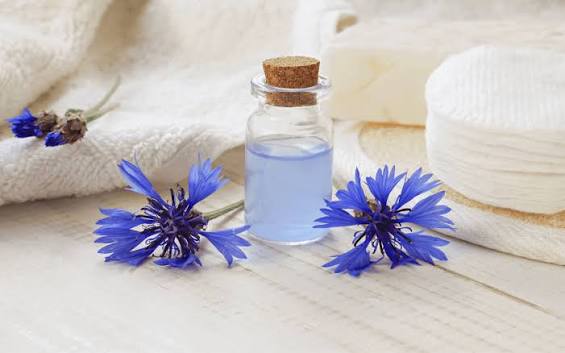
Dissolving and dispersing are different behaviors. This guide compares water-soluble and water-dispersible botanical extracts, with commercial examples, beverage screening designs, troubleshooting and grade-selection criteria.
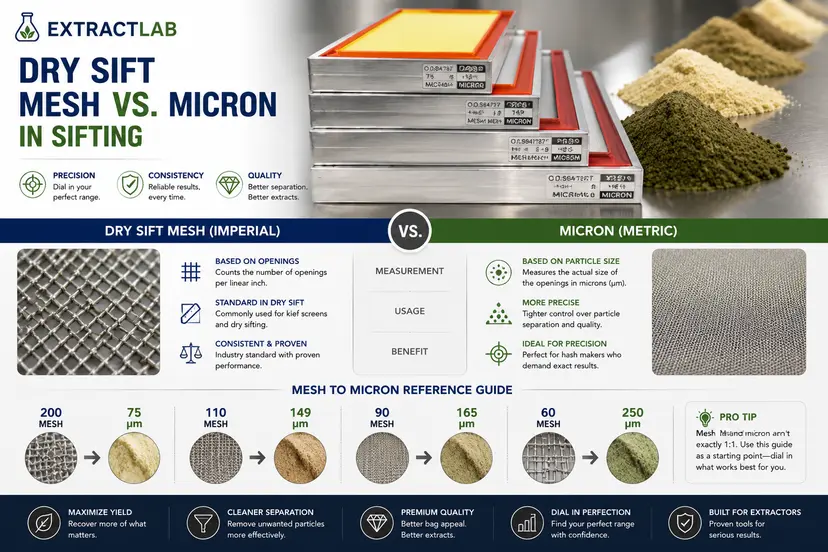
A mesh number alone does not describe a powder. This guide explains sieve designations, a mesh-to-micron chart, PSD, test methods, supplier comparison and how to write a measurable particle-size specification.
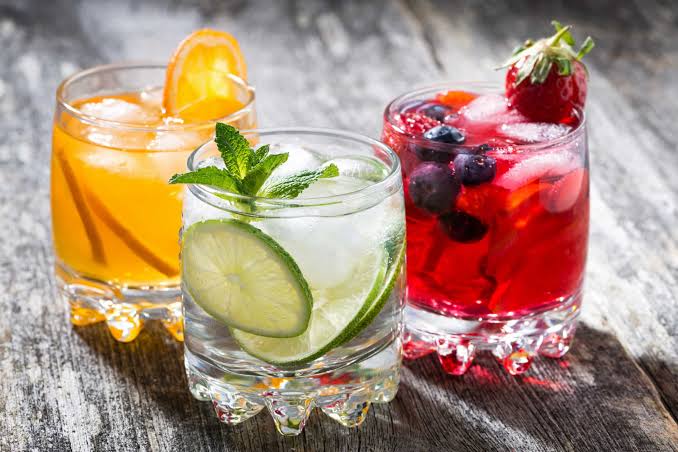
A step-by-step method for choosing beverage-grade botanical extracts: target dose, formulation load, extract form, clarity, sensory, stability, specification review and pilot validation.
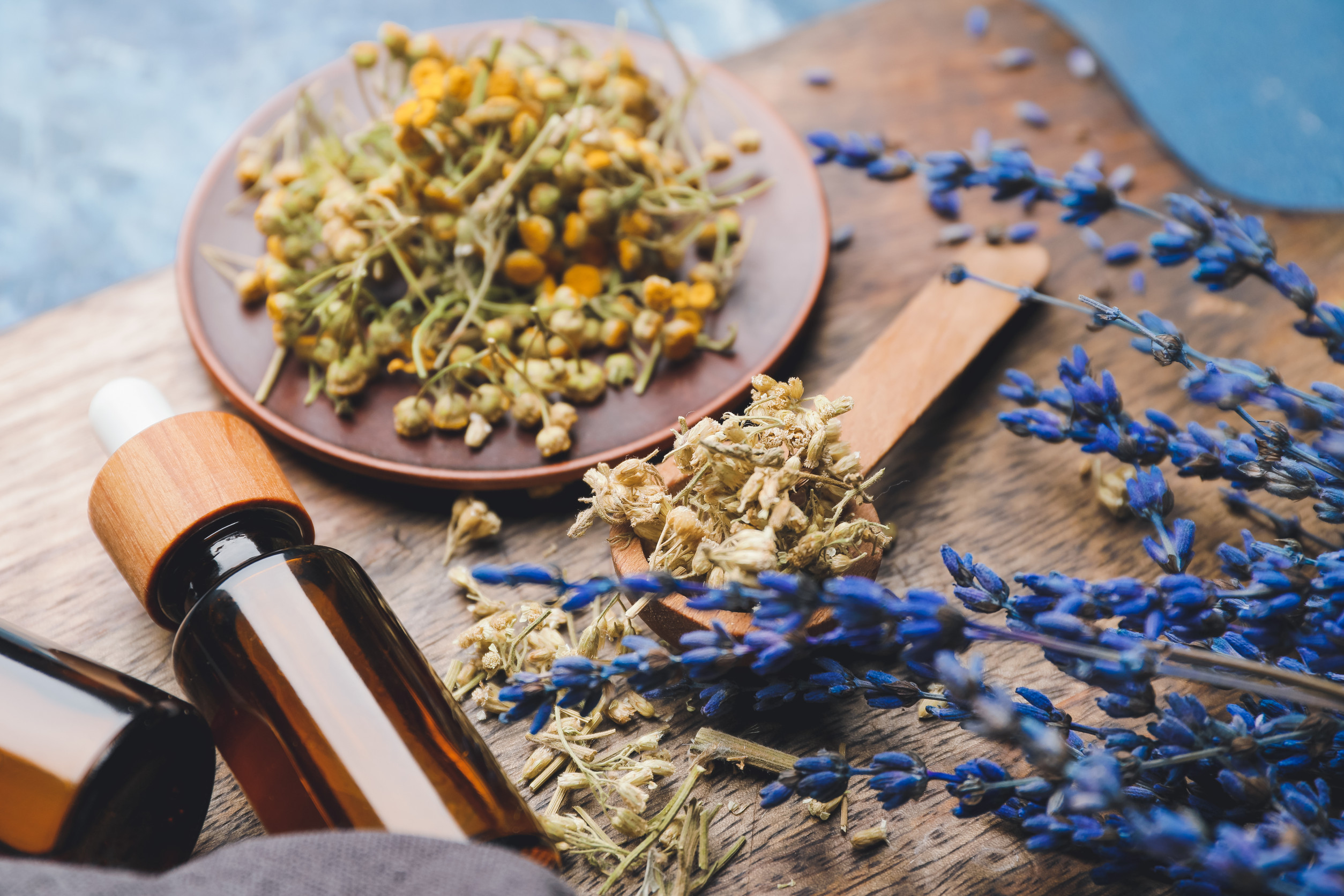
Extracts from the same plant can behave very differently in water. This guide defines soluble, dispersible and poorly soluble forms, explains what drives haze and sediment, and shows how to screen and specify a grade.