
Botanical Extract Processing & Standardization
Controlled extraction, purification, marker standardization and spray drying, aligned with botanical identity, extract ratio and analytical targets, so the grade you approve is the grade you receive.
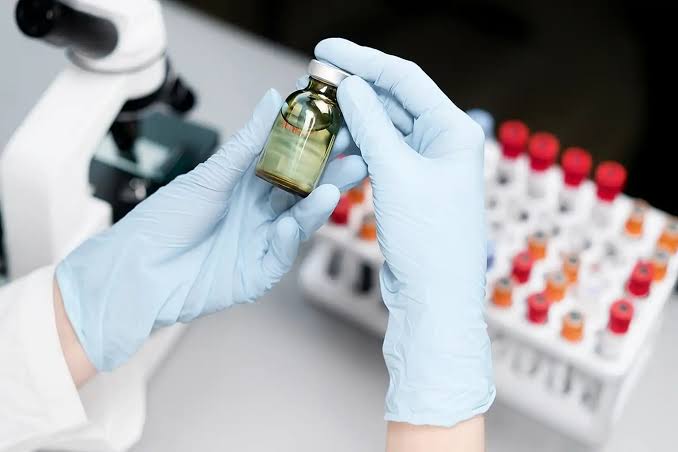
From Raw Botanical to Repeatable Extract
Botanicals vary by source, plant part, harvest and composition. Processing turns that variation into a defined ingredient that can be evaluated, formulated and reproduced. Processing is carried out with our approved manufacturing partners, with the route defined around the finished grade.
A typical route:
Rawbotanical→Extraction→Filtration→Concentration→Purification→Standardization→Drying→Testing→Release
Not every ingredient needs every step. A ratio extract, a standardized extract and a purified phytochemical can come from the same plant but follow different downstream routes.
Preparing the Raw Material
Species, plant part, identity, moisture and physical condition affect extraction efficiency and the finished composition. Preparation may include cleaning, drying, cutting or milling, and identity confirmation.
Choosing the Extraction Route
Common routes are water, ethanol and water-ethanol extraction, chosen by the target compounds and their polarity. Other factors are plant part, ratio or assay target, heat sensitivity, and concentration and drying needs. A higher ratio does not mean higher quality: a 10:1 ratio extract and a marker-standardized extract are different grades with different routes. If you start from a defined target, begin with specification and grade matching.
Extraction, Filtration and Concentration
Key variables are solvent composition, plant-to-solvent ratio, time, temperature and number of cycles. After filtration the extract is concentrated before enrichment, standardization or drying. Where ethanol or another permitted solvent is used, residual-solvent limits are part of release.
Our listed Botanical Extracts are 10:1. When comparing any ratio, check whether it refers to the native extract or to the finished powder including carrier. Other ratios can be discussed through Custom Ingredient Development.
Purification and Enrichment
Not every extract needs purification. Standardized grades may need targeted processing to reach a marker range; more selective steps produce enriched fractions or purified phytochemicals. Techniques include precipitation or membrane separation, resin adsorption, fractionation or chromatography, and removal of non-target components. More processing is not automatically better.
Standardization to Target Markers
Typical targets include polyphenols, flavonoids, anthocyanins, saponins, ginsenosides, curcuminoids and polysaccharides. A standardized grade should state botanical identity, plant part, marker, assay basis, method and acceptance range. The aim is to hit the required grade consistently, not to maximize assay.
Carrier and Spray Drying
Spray drying turns concentrated extracts into powders. Drying depends on composition, solids, target assay, moisture uptake, flow, density and solubility. Maltodextrin or another carrier may be used; low-carrier or carrier-free grades can be evaluated where feasible. Define the carrier level before approving the grade, because it affects assay, flow, dispersibility and the native-to-finished ratio.
Final Powder Properties
After drying, powders may be milled, sieved or blended to set particle size, bulk density, flow and solubility. The same chemical extract may need different physical specifications for capsules, tablets, dry mixes or drinks.
Analytical Verification and Batch Consistency
Verification may cover identity, ratio or marker assay, chemical fingerprint, moisture, particle size and residual solvents, by HPLC, UV, GC, TLC or another agreed method. Batch consistency means controlled variation within predefined limits, not chemically identical batches.
Process area | Commercial control |
|---|---|
Botanical | Species and plant part |
Extraction | Solvent system and route |
Concentration | Extract ratio or target solids |
Purification | Required enrichment or fraction |
Standardization | Marker, assay and method |
Drying | Route and carrier |
Physical profile | Particle size, density, solubility |
Release | Agreed analytical criteria |
Scale-Up to Commercial Production
A sample is only useful if the same grade can be reproduced at scale. Before scale-up, the critical parameters are confirmed:
These become the basis for repeat production through Sample & Bulk Supply.
Develop the Right Extract Profile
We support ratio extracts, standardized grades, enriched fractions and application-specific powders from evaluation through scale-up and repeat supply.