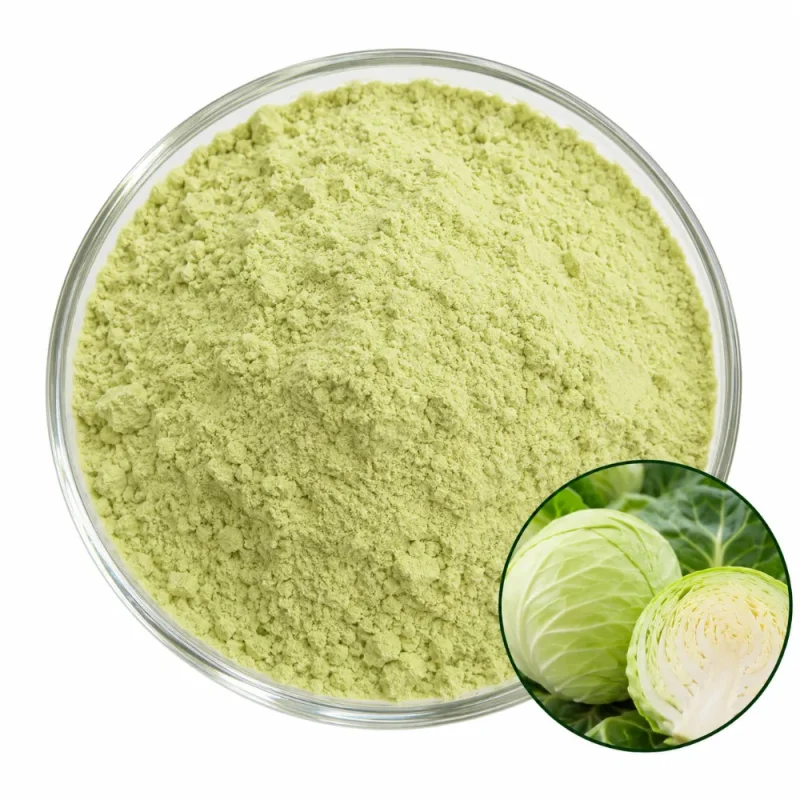
Dehydrated Cabbage Processing
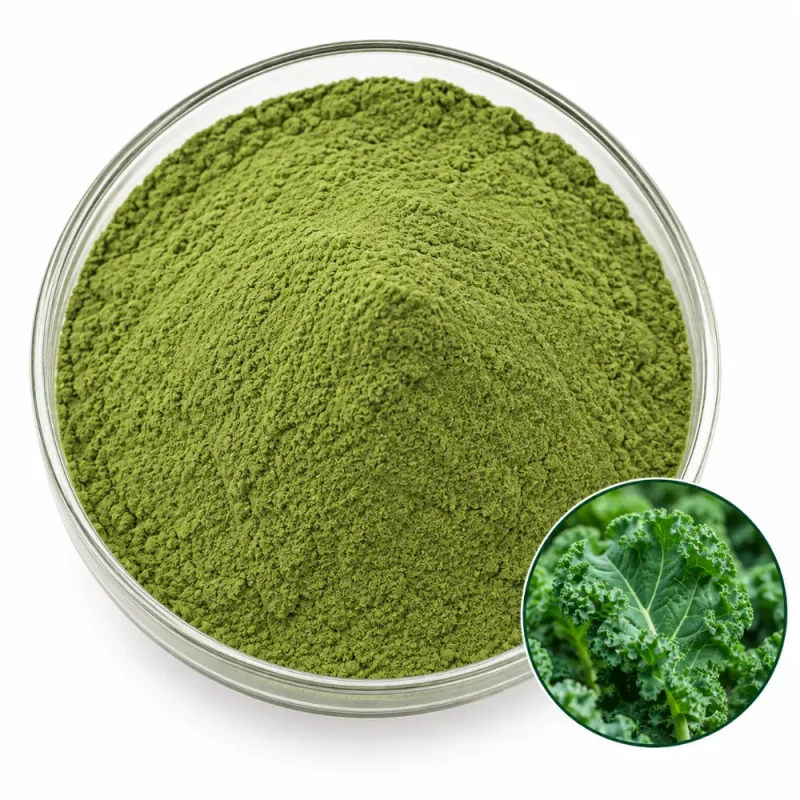
The botanical entity is Brassica oleracea var. capitata L., the head cabbage group, which also includes savoy and white cabbage types. Red cabbage is the same group in a pigmented form, and broccoli, kale, cauliflower and kohlrabi are other groups of the same species. The part used is the tight leaf head, trimmed of its coarse outer leaves and stem core.
The raw material is fresh green cabbage leaf. Heads are cored, shredded, dried in warm air and ground. Drying is the only step that changes the vegetable, and the powder keeps the fiber, sugars and sulfur flavor precursors of the head. Heat stops the enzyme that creates sharp mustard-oil compounds from glucosinolates, so the powder tastes of cooked cabbage, mild and slightly sweet.
Cabbage is a hardy cool-season crop, and its sweetness rises in cold weather. Autumn-harvested heads are sweeter and milder than summer ones, and they store for months in cool rooms. Variety names are not given; the powder is described by its character.
Sulfur compounds define cabbage flavor. Some, such as methyl methanethiosulfinate and related compounds, form during cooking and give cooked cabbage its characteristic smell. Prolonged heat can generate stronger, unpleasant notes, which is why the powder is dried gently and why overcooked cabbage smells harsh.