Dehydrated Taro Processing
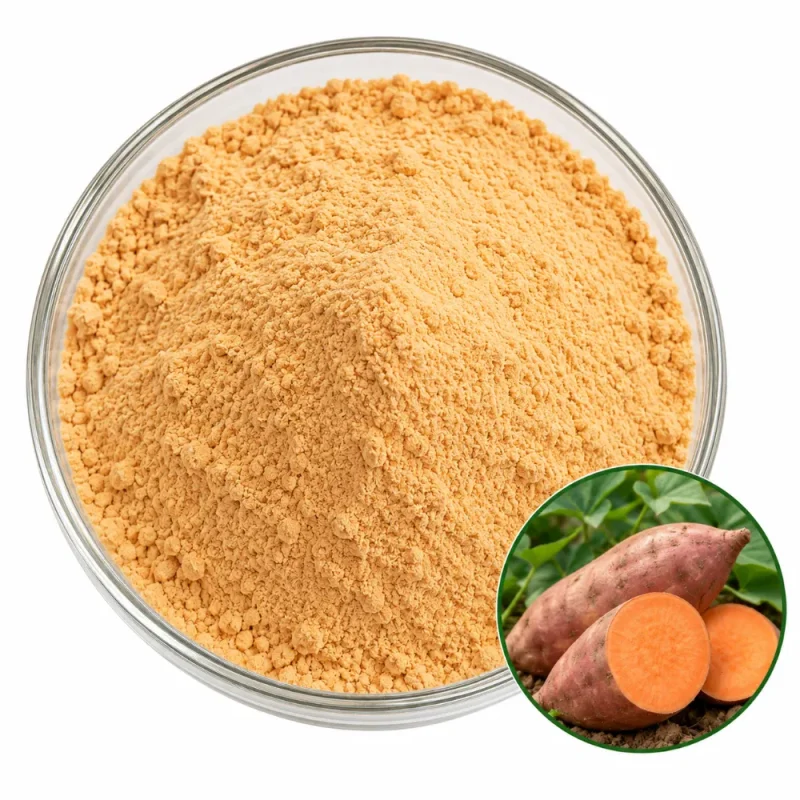
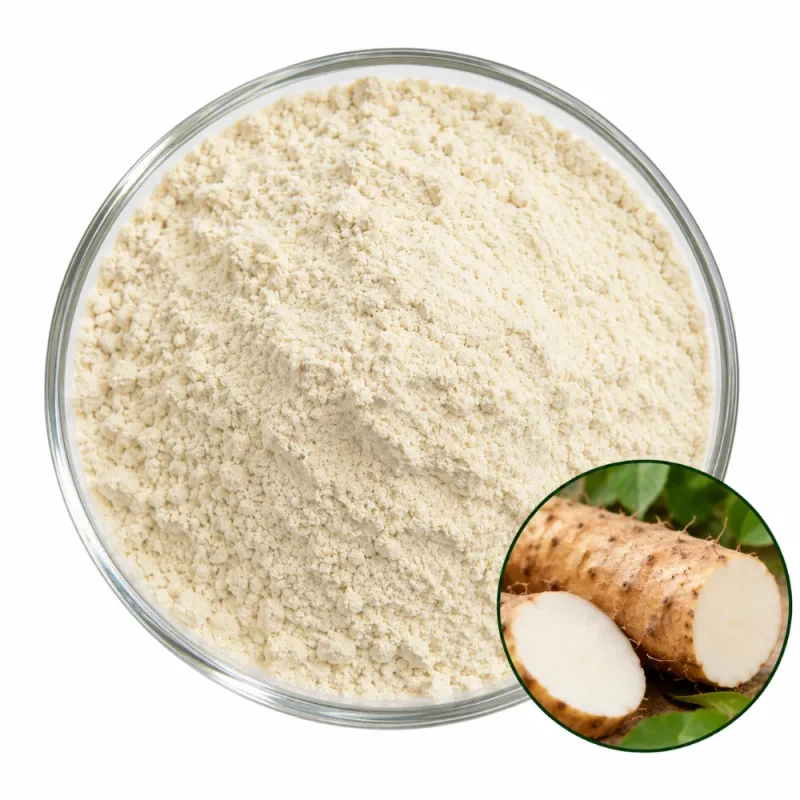
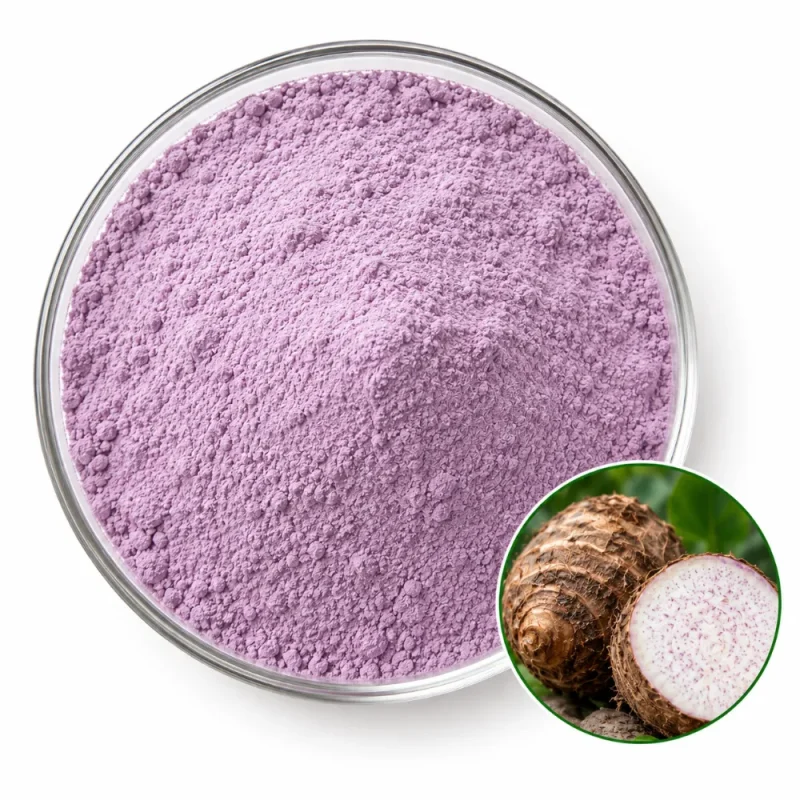
The species is Colocasia esculenta (L.) Schott, taro, a tropical perennial of the arum family (Araceae) grown for its starchy corm. Other aroids carry similar names: tannia or cocoyam, Xanthosoma sagittifolium, is a New World relative with a different corm, and giant taro, Alocasia macrorrhiza, is a separate genus. The part used here is the main underground corm, with its white to cream flesh and purple flecks in some types.
The raw material is fresh taro corm. Raw taro contains needle-shaped calcium oxalate crystals that irritate the mouth and skin, and cooking destroys the irritating effect, so taro is always cooked before eating. Corms are peeled, steamed or boiled, cut, dried in warm air and ground. Cooking also gelatinizes the starch, and the powder hydrates quickly as a result.
Taro starch has very small granules, much finer than potato or corn starch, and that fineness gives taro its smooth, creamy texture in desserts and drinks. It also makes the starch easily digestible and slow to retrograde, so taro-thickened foods stay smooth on cooling.
Corms are harvested months after planting, when the leaves yellow, and they keep poorly once dug, which makes drying a practical way to extend supply. Varieties differ in sweetness, color and starch type, from dry, mealy types to sticky, moist ones. Corm types are not named, and the powder is described by its creamy character.