Yam Powder

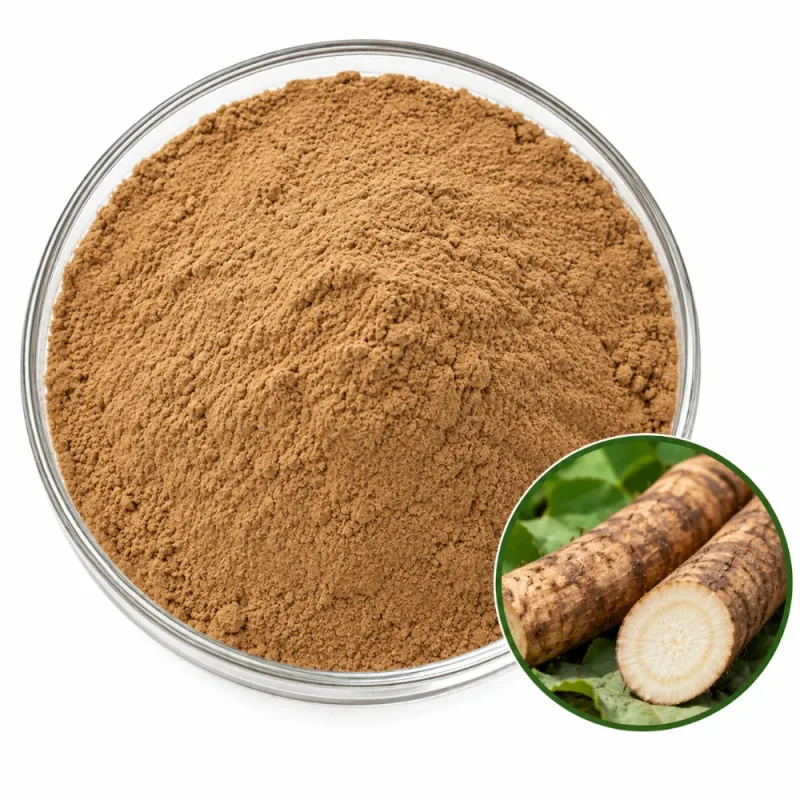
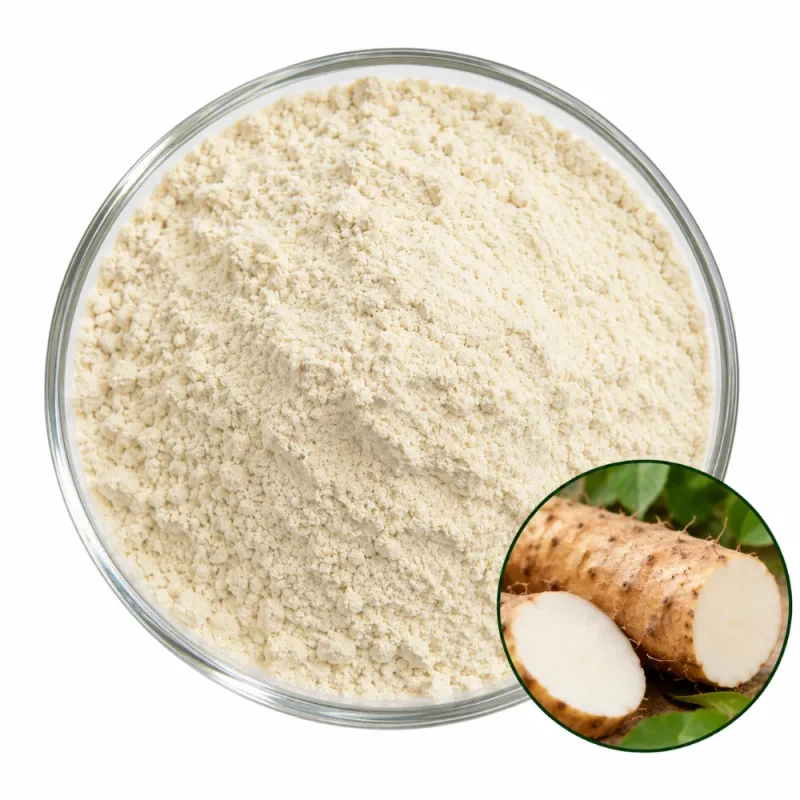
Tubers of Dioscorea polystachya, the Chinese yam, are peeled, cooked, dried in warm air and milled to 80 mesh to give yam powder. The powder is light yellow and tastes mild, slightly sweet and starchy, with a soft, clean finish. Vines, bulbils and the tropical yam species are separate materials.

The Chinese yam is known for the slippery, mucilaginous texture of its raw flesh. The powder keeps that character in a dried form, so it thickens and smooths liquids, and it is a staple of porridge and soup mixes in East Asian cooking.

Dehydrated Yam Processing

The species is Dioscorea polystachya Turcz., the Chinese yam, known as shanyao in Chinese and nagaimo in Japanese, a twining vine of the yam family (Dioscoreaceae). The name has long been used interchangeably with Dioscorea opposita, and the two names refer to the same plant in most treatments. The tropical food yams, Dioscorea rotundata and Dioscorea alata, are different species with a coarser, drier tuber, and the sweet potato, Ipomoea batatas, is an unrelated plant sometimes called yam in North America.

The raw material is fresh yam tuber. Raw yam flesh is crisp and sticky with mucilage, and some people experience skin irritation when handling it because of fine needle-like crystals. Tubers are peeled, cooked or steamed, cut and dried in warm air, then ground into powder. Cooking removes the irritation and gelatinizes the starch, which gives a powder that hydrates smoothly.

Tubers are harvested in late autumn when the vine dies back, and they store well in cool, dark rooms. Cultivar types vary from long, thin tubers to short, thick ones, and the sticky texture is strongest in some varieties. Cultivars are not named for this product, which is described by its mild flavor and pale shade.

The slime of Chinese yam comes from a glycoprotein and polysaccharide mix, and it survives drying and cooking in part. That is why the powder, unlike that of potato or taro, gives a distinctly slippery body when stirred into hot water, comparable in feel to a light porridge.

Yam Color, Flavor & Composition

Yam powder is light yellow to cream, and it forms a pale, smooth suspension in water that thickens as it hydrates. The flavor is mild, faintly sweet and starchy, with a clean, slightly earthy finish and little aroma. It carries other flavors well, which is why it is used as a base in sweet and savory preparations.

Characteristic constituents are starch, mucilaginous glycoprotein and polysaccharides, sugars and fiber. No figure is given for any of them. Polysaccharide-defined and peptide-defined yam products are separate ingredients, and the vegetable powder is not defined by either.

Chinese yam is valued in East Asian cooking for texture as much as taste. The slippery body of a yam soup or porridge is part of its identity, so the powder is judged by how smoothly it hydrates and how it feels in the mouth.

FormWhat It IsChoose It When
Dehydrated Yam PowderHot-air dried and milled cooked tuberA mild, starchy, slippery whole-tuber base is wanted
Dioscorea opposita Polysaccharide PowderPolysaccharide-defined extractThe label names a polysaccharide content
Yam Peptide PowderPeptide-defined hydrolysateThe label names a peptide content

Typical Specifications

Specification ItemProduct Information
Latin NameDioscorea polystachya
Plant PartRoot & Rhizome
ProcessingDehydrated
Common NameChinese yam
Raw MaterialFresh yam tuber
Ingredient TypeDehydrated Vegetable Powder
AppearanceLight Yellow powder (natural color of the dried material)
FlavorMild, faintly sweet, starchy
Solubility / DispersibilityWater Dispersible
Quality Parameters
Moisture (LOD)≤8.0%
Particle Size80 mesh
Heavy MetalsLead ≤2 ppm · Arsenic ≤1 ppm · Cadmium ≤1 ppm · Mercury ≤0.1 ppm
MicrobiologyTPC ≤10,000 cfu/g · Yeast & Mold ≤1,000 cfu/g · E. coli Negative · Salmonella Negative/25 g
Shelf Life24 months in unopened original packaging, cool and dry storage

Application Areas

Instant Porridge and Breakfast Mixes

East Asian instant porridges and breakfast bases use yam powder for a smooth, slightly slippery body that thickens in hot water. It pairs with oats, rice and sesame, and the mild flavor leaves room for sweeteners, nuts or dried fruit.

Soup and Congee Bases

Dry soup and congee bases use yam powder for creamy thickness and gentle sweetness. It blends with chicken, mushroom and ginger flavors, and the pre-cooked starch means the soup thickens quickly without a long simmer, which suits instant formats.

Noodle, Dumpling and Steamed-Cake Doughs

Noodle, dumpling and steamed-cake makers add yam powder to flour for a soft, slightly chewy texture and a clean flavor. The mucilage holds water, so dough hydration is adjusted, and the pale tint keeps the product light.

Bakery and Pancake Mixes

Pancake and cake mixes take yam powder for moisture retention and a tender crumb. It blends with wheat or rice flour, and its mild flavor does not alter the baked profile, which suits plain and lightly sweet products.

Drink Sticks and Plant-Based Mixes

Instant drink sticks and plant-based mixes use yam powder as a creamy base that suspends other powders. It thickens liquids slightly, gives a smooth mouthfeel and blends with sesame, walnut or oat in dry premixes, so a breakfast stick needs little else for body.

Handling Notes

Yam powder is hygroscopic and takes on moisture in humid air. The pre-cooked starch and mucilage swell where damp, and a drum left open can set into a rubbery cake. Weigh in a dry area and close the liner after each draw.

The powder hydrates the moment it meets liquid and can form slippery lumps if poured in directly. Pre-blend it with sugar or flour, or sprinkle it slowly into a stirred liquid, and allow a few minutes for the viscosity to develop. Wet equipment should be rinsed promptly before the gel dries.

Warmth and light darken the color toward tan, and aged powder smells flat and slightly stale. Keep unopened drums cool, use opened bags within a short window and keep the powder away from strong odors, which its soft aroma absorbs readily.

Yam powder shares storage behavior with other pre-cooked starch powders. It stays loose when dry, but once it picks up moisture it forms a rubbery gel layer that seals the powder beneath it, so open time is kept short and damp scoops are never returned to the drum.

Packaging & Commercial Supply

Essencefield supports product evaluation, formulation trials, commercial orders, and ongoing ingredient supply. Packaging, storage, and shipping arrangements are determined by product characteristics, order quantity, stability requirements, and destination-market needs.

Supply ItemGeneral Information
SampleAvailable upon request for formulation, testing, and supplier evaluation
Order Quantities100 g · 1 kg · 5 kg · 25 kg · 100 kg · 500 kg · Bulk
Sample Lead TimeTypically 5–7 days after sample confirmation
Production Lead TimeTypically 15–30 days after order and specification confirmation
PackagingSuitable protective inner packaging with bags, cartons, drums, or other appropriate outer packaging
StorageStore in tightly sealed, suitable protective packaging in a cool, dry environment. Protect from moisture, heat, and direct sunlight. Specific storage conditions follow the approved product specification.
DocumentationCOA · Product Specification · TDS · SDS · Applicable declarations (as applicable)

Final order quantities, lead times, packaging, documentation, and shipping arrangements are confirmed according to the selected product and commercial requirements.

Request Ingredient Specifications & Quote

Share your target specification, application, quantity, and documentation needs. We’ll help confirm suitable options, samples, and commercial supply details.