Dehydrated Sweet Potato Processing
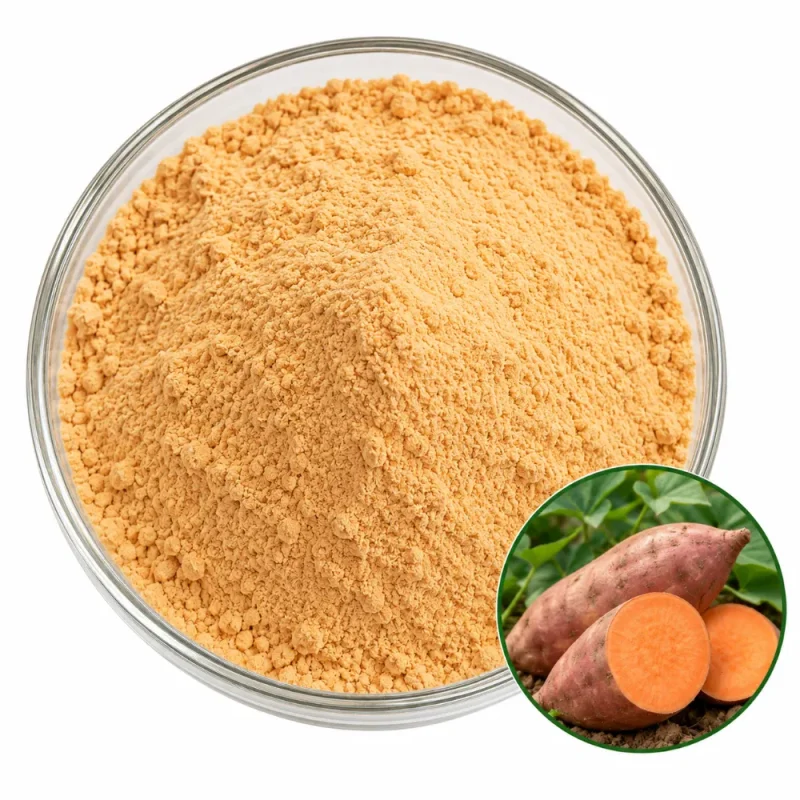
The species is Ipomoea batatas (L.) Lam., a trailing vine of the morning glory family (Convolvulaceae). Sweet potato is not the common potato, Solanum tuberosum, which is a nightshade, and it is not the true yams of the genus Dioscorea, though “yam” is used for sweet potato in parts of North America. The part used is the swollen root, and the pale-fleshed type is used here.
The raw material is fresh sweet potato root. Roots are washed, peeled, cooked or steamed, cut and dried in warm air, then ground. Cooking activates beta-amylase, an enzyme that converts part of the starch to maltose, which is the reason baked sweet potato tastes sweeter than raw root. Drying then fixes that sweetness in the powder.
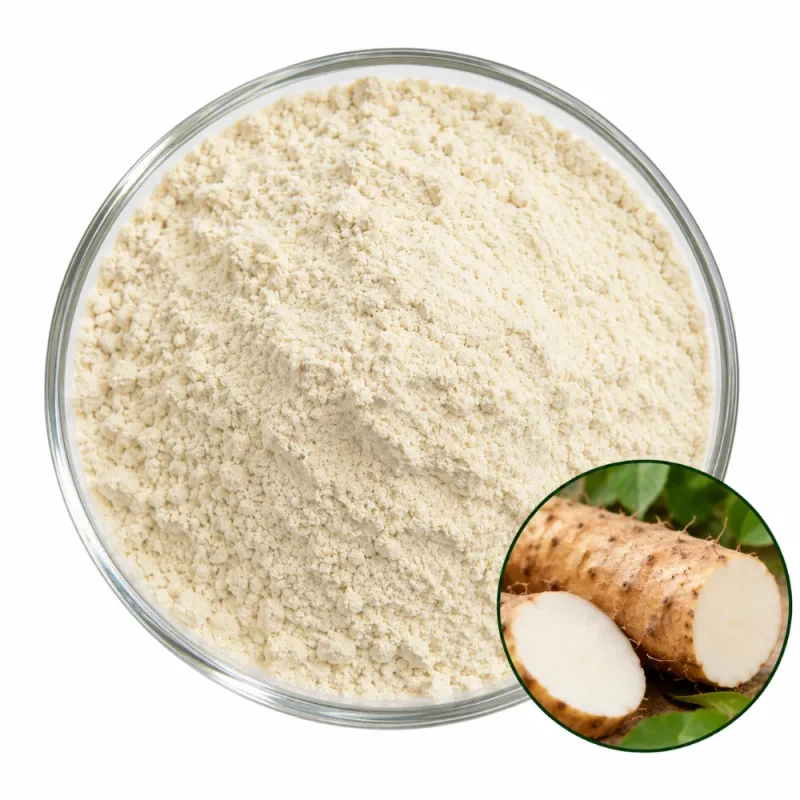
Sweet potatoes are harvested in autumn and cured at warm temperature to heal wounds and begin starch conversion, then stored. Curing increases sweetness, and fully cured roots give a more flavorful powder than fresh-dug roots. Cultivars vary from dry, pale types to moist, orange types, and the master color for this powder is a light yellow.
Because the powder is derived from the whole peeled root, it keeps the fiber and pectin as well as the starch. That mix is what gives the powder moisture-holding body in doughs and batters, and what makes it feel creamy when dispersed in warm liquid.