
Botanical Sourcing & Traceability
We link source information, supplier records, lots, batches and shipments, so you see where a material came from and whether it stays the same over repeat supply.
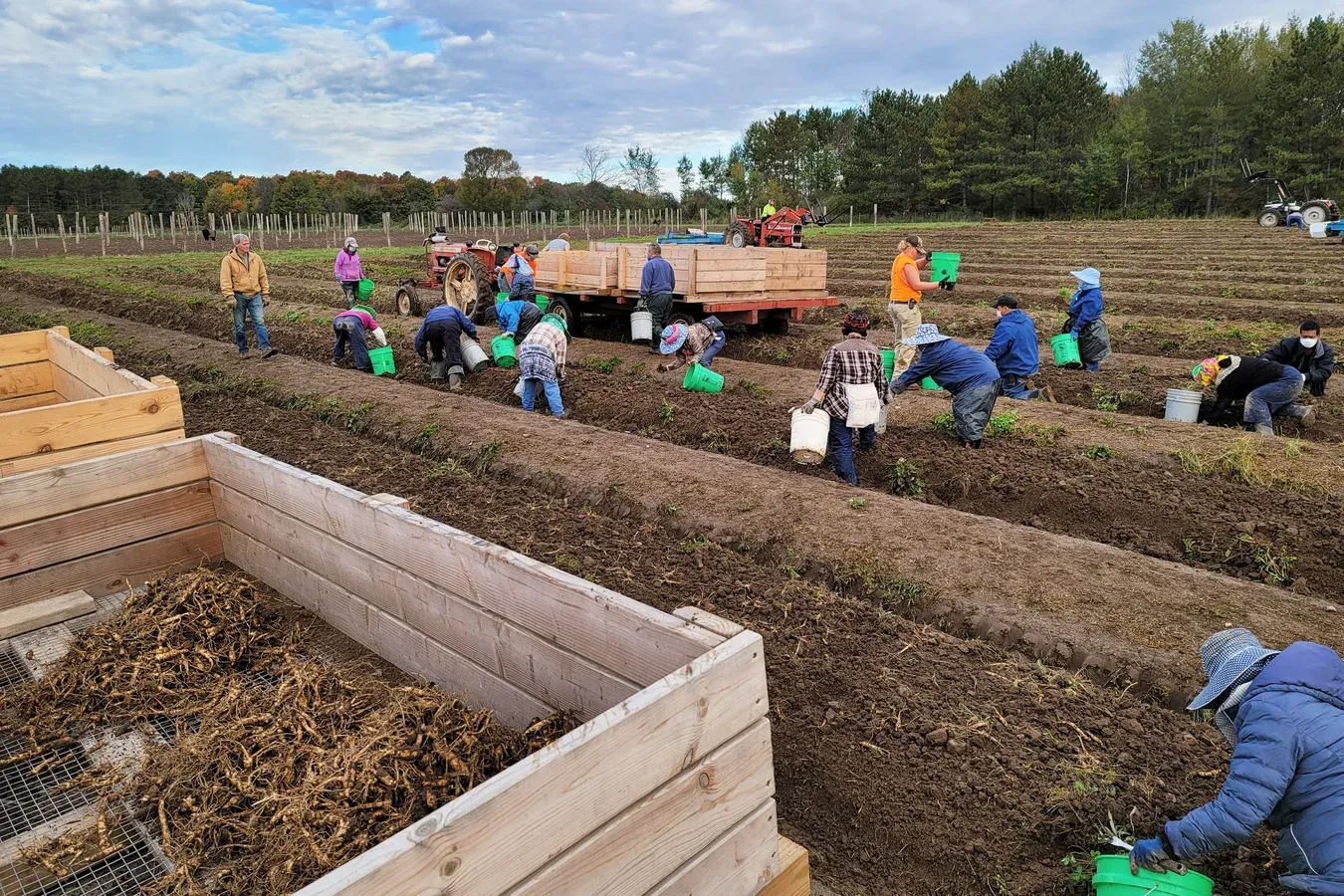
Why Source-to-Batch Records Matter
Plant materials vary by species, plant part, origin, harvest, aggregation, processing, extraction, standardization and supplier. Connected records help procurement and QA teams review new sources, compare repeat batches, investigate unexpected variation and evaluate changes in an established supply route.
This page covers how an approved material is recorded and followed through supply. Finding and evaluating materials is covered under Ingredient Sourcing.
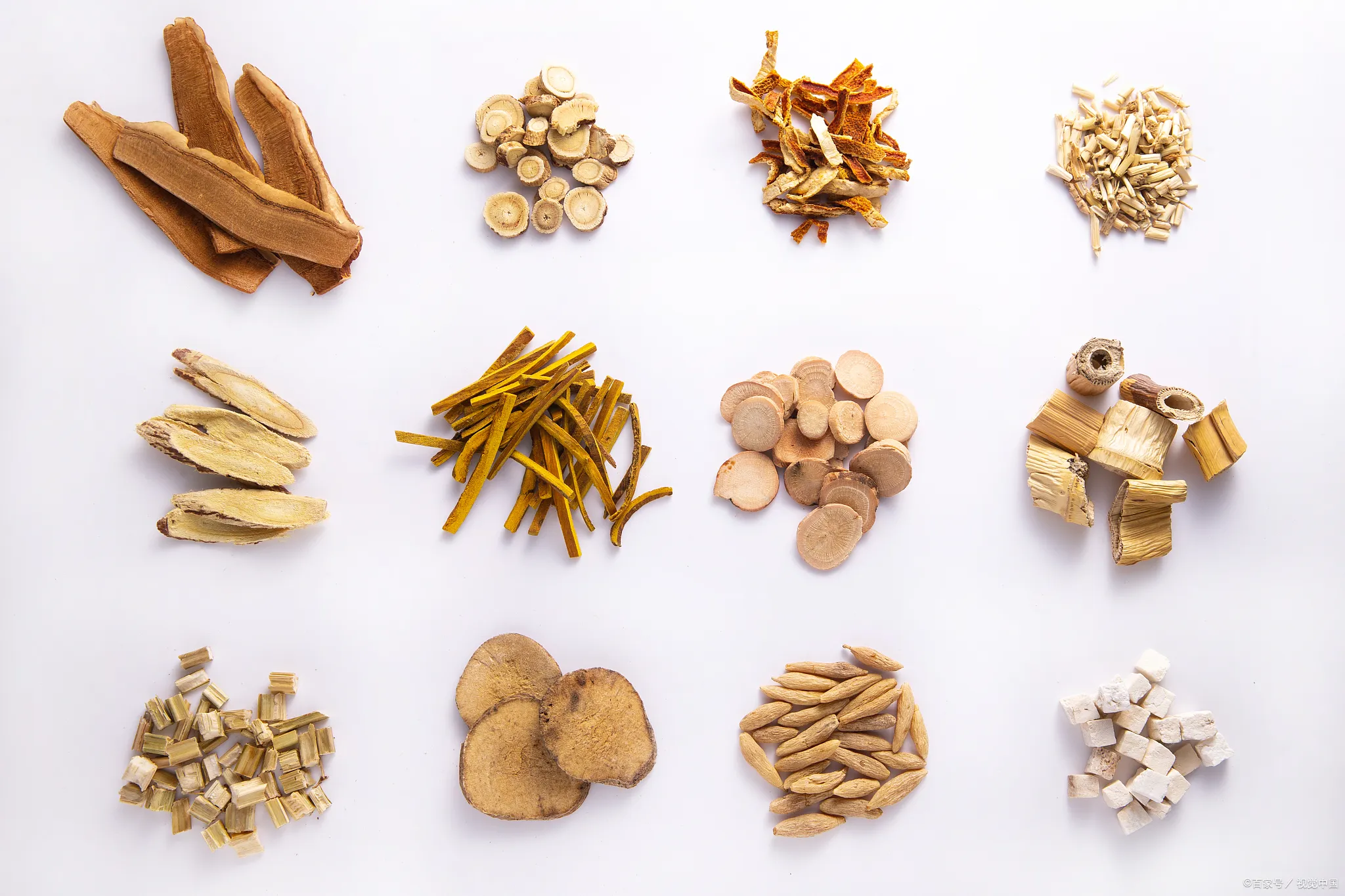
Identity Begins at the Source
Traceability starts by defining the raw material: scientific name, plant part and relevant origin information. Similar common names can mean different species, and different plant parts have different compositions, so identity is fixed upstream and every later record links back to it.
Choosing Botanicals for Food
- Botanical name and plant part
- Country or region of origin
- Cultivated or wild-harvested, where relevant
- Supplier or collection source
- Harvest or collection information, where available
- Initial processing and raw material lot reference
Some materials are consolidated from several growers or collection points; lot records then link the sourcing region, the consolidated material and the processing batch. Where farm-level records don’t exist, the key is a consistent link between the incoming lot and the upstream records that do.
Supplier Qualification and Requalification
Qualification checks whether a source can consistently meet the required identity, specification, documents and supply conditions: identity, origin controls, processing capability, specification consistency, testing, documents, capacity and batch history. Review is repeated when there is a significant change in source or origin, supplier or site, processing or extraction, carrier or composition, specification or method, or recurring batch performance.
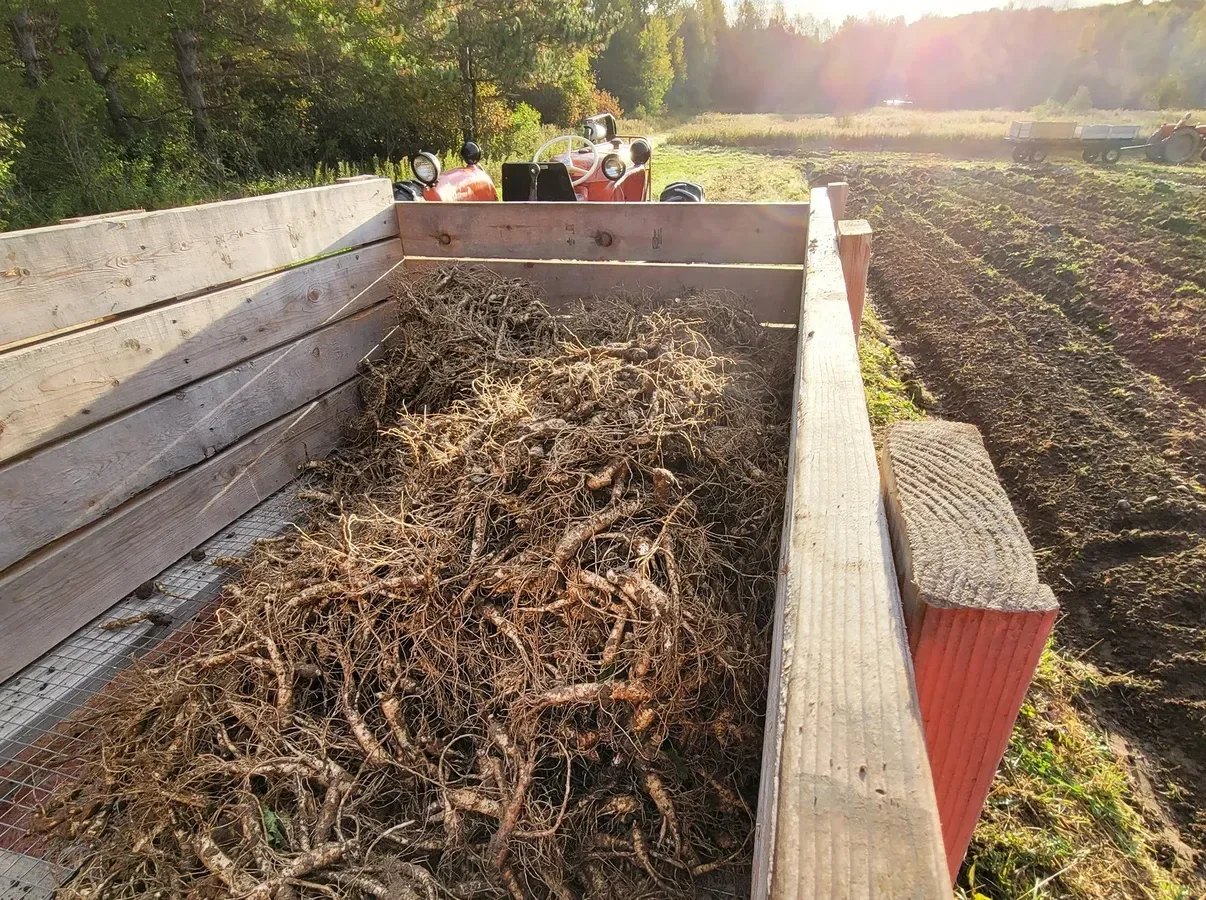
Incoming Lot Identification
Each incoming lot keeps a lot reference linking it to its supplier, origin records, intake record and processing history, and is checked against the approved identity and specification. For extracts, identity is never inferred from the ratio alone.
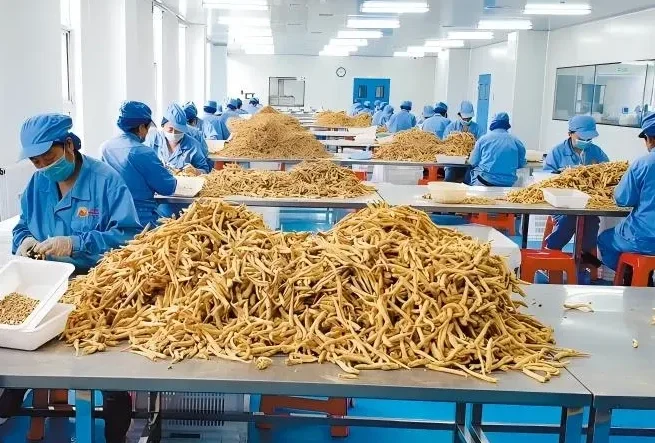
Lot Traceability During Processing
Lot relationships continue through extraction, drying, milling, blending, standardization and packing. When one lot is split across batches, or several lots are combined, those relationships are recorded:
incoming lot · processing or extraction batch · carrier where used · blending or standardization reference · finished batch · release reference
This chain follows the processing and standardization route.
Backward and Forward Traceability
- Backward: from a finished batch to its processing batch, incoming lot, supplier and source information.
- Forward: from an incoming lot to the batches, finished ingredients and shipments that used it.
Botanical source→Supplier and origin record→Incoming lot→Processing batch→Finished ingredient→COA and release→Shipment
Managing Supply Changes
Seasonality, crop conditions, availability, supplier capacity, site changes and processing needs can all change a supply chain. We review any change that could affect identity, physical characteristics, specification or batch consistency. An updated source or batch may need document review, identity confirmation, specification comparison or a sample before routine supply continues.

Records Available for Buyer Review
- Botanical identity and origin record
- Supplier reference
- Incoming lot number
- Processing batch reference
- Finished batch number
- COA or release reference
- Shipment reference
Technical and regulatory documents are covered under Compliance & Documentation. Traceability scope can be agreed by ingredient, sourcing route and required records.