
Botanical Quality Control & Testing
From incoming material through identity, assay, contaminant review and batch release, with methods chosen for the botanical, the sample matrix, the target analyte and the agreed specification.

Quality Matched to the Material
Powders, extracts, standardized extracts, polysaccharides, peptides and purified phytochemicals vary in different ways, so one test panel doesn’t fit all. Quality is assessed against defined requirements, not as a general description. Together with Sourcing & Traceability, this connects origin, lots, processing and batch release.
Incoming Raw Material Verification
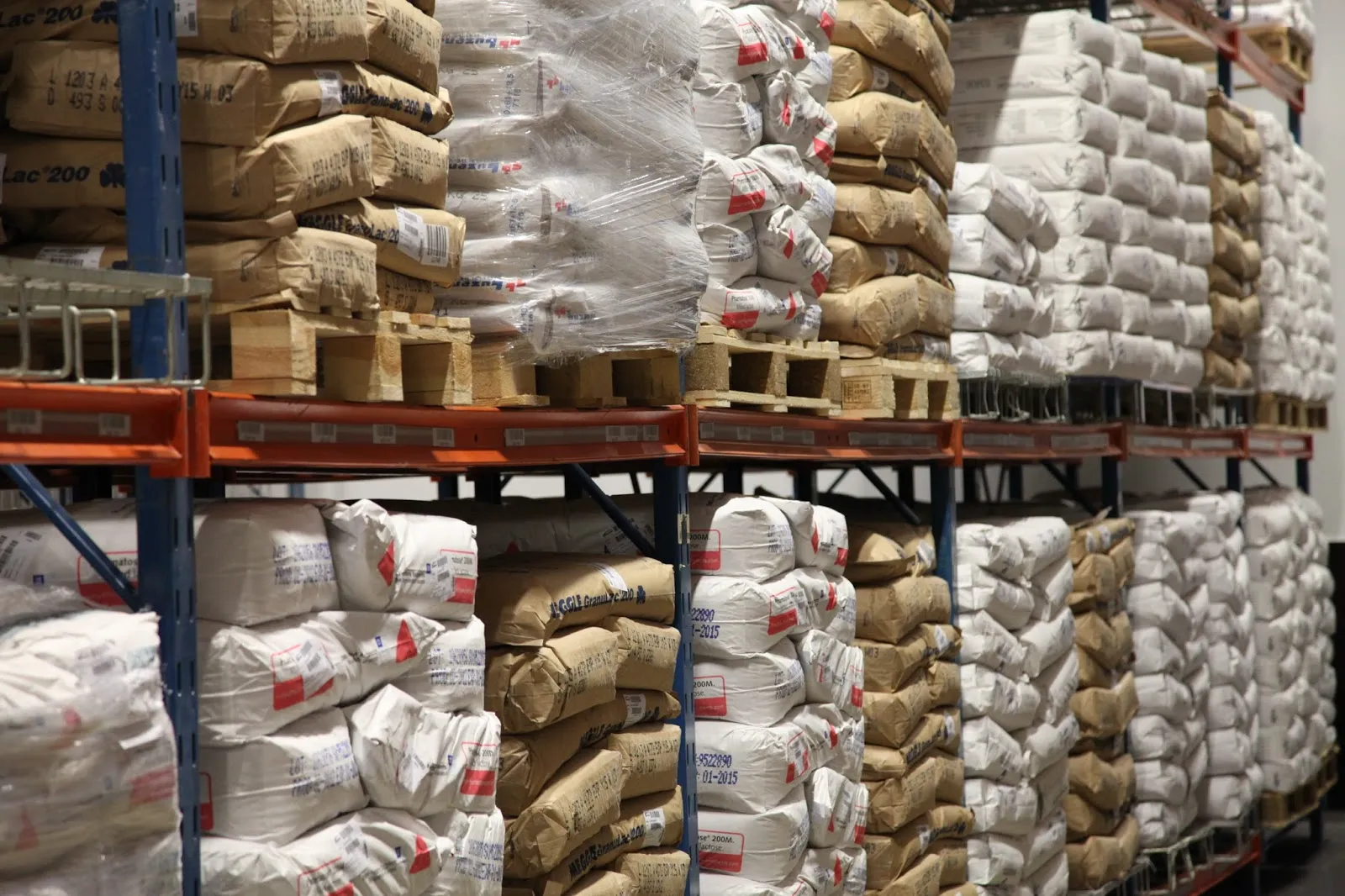
Species, plant part, origin, harvest, drying, storage and handling can affect identity, composition, moisture and processing. Incoming checks may cover botanical name and plant part, origin, lot identification, appearance and moisture, identity and relevant contaminant risks.
Botanical Identity
Whole botanicals keep morphological and microscopic features; powders and extracts rely more on chemical profiles. Methods may include organoleptic evaluation, microscopy, TLC, HPTLC, HPLC fingerprinting or other botanical-specific methods, compared with reference materials where appropriate. Complementary methods are used where one isn’t specific enough. Identity is never inferred from extract ratio or product name.
Marker and Assay Testing
Standardized Extracts are bought on a defined marker, such as polyphenols, flavonoids, anthocyanins, saponins, curcuminoids, alkaloids or polysaccharides. Methods may include HPLC, UV-Vis, GC, titration or gravimetric analysis. The specification must state what is measured, how it is expressed, and whether it is a single marker or a compound group; results must match that definition.

Physical and Chemical Parameters
Appearance, color, odor and taste; particle size; moisture or loss on drying; ash; bulk density; pH; solubility; carrier content. These affect blending, encapsulation, tableting, dispersion and storage, so relevant ones go into the commercial specification.
Contaminant Testing
Scope is risk-based, set by origin, agricultural exposure, process, market and agreed limits:
Heavy metals
Lead, arsenic, cadmium and mercury where specified
Pesticide residues
By origin and required screening scope
Residual solvents
For extracts made with relevant solvents
Mycotoxins
Where the material carries that risk
Techniques may include ICP-MS, LC-MS/MS and GC-MS/MS.

Microbiological Control
Typical parameters: total aerobic count, yeast and mold, coliforms, E. coli, Salmonella and other specified organisms. Limits reflect the ingredient, process, application, customer specification and market; untreated powders, processed materials and extracts can differ.
Matching Methods to the Specification
A result is useful only if the method measures what the specification controls. A method for whole botanical material may not suit a concentrated extract. A UV total-flavonoid value and an HPLC result for one flavonoid are different measurements and not interchangeable. Botanical, matrix, analyte, method, specification and acceptance criteria are reviewed together, especially when comparing supplier specifications that look alike on paper.
Finished Batch Review and Release
Review may cover identity, marker or assay, physical characteristics, microbiology, heavy metals, pesticides, residual solvents and other agreed parameters. Release is based on batch results meeting the approved acceptance criteria, not on testing being completed. This keeps one quality reference from approved sample through first and repeat batches.

Third-Party Testing
Independent third-party testing can be arranged when additional verification is needed for qualification, customer specifications, market requirements or selected parameters.
Managing Supply Changes
A batch-specific Certificate of Analysis records the lot, parameters, limits and actual results, with methods where relevant. The specification says what must be met; the COA shows how the batch performed.
Share your ingredient, target assay, testing requirements, market or existing specification, and we’ll align the quality requirements before sampling or supply.