
Hydroxytyrosol Standardization & Grades
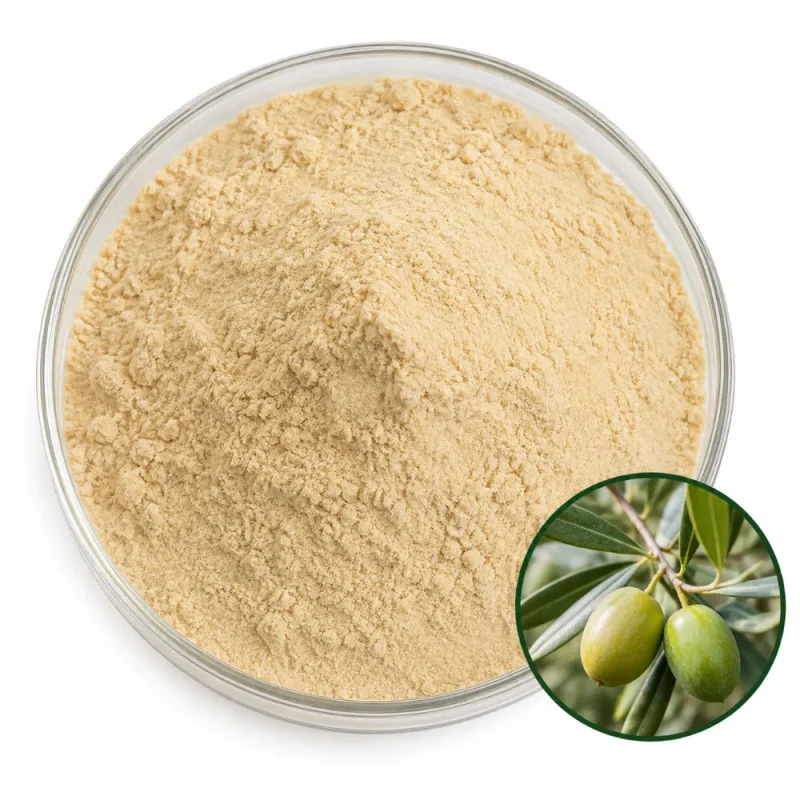
Hydroxytyrosol is 3,4-dihydroxyphenylethanol, a small phenylethanoid with a catechol ring. In the olive fruit it is released when the bitter secoiridoid oleuropein and related compounds are hydrolyzed during ripening, curing and processing, so the level in an extract reflects how the fruit was treated. Olea europaea L. fruit extract is standardized to hydroxytyrosol because that is the compound that defines the fruit-derived phenolic fraction, and the figure shows how concentrated the extract is.
| Grade | Assay & Method | Where It Fits |
|---|---|---|
| 10% Hydroxytyrosol | HPLC | Drink powders, higher-inclusion blends |
| 40% Hydroxytyrosol | HPLC | Capsules and tablets, small fill weight |
The span is wide, so grade choice follows dose and carrier. At 40% the extract carries four times the hydroxytyrosol of the 10% grade per gram, which allows a compact capsule. The 10% grade retains more of the fruit matrix and dissolves quickly into beverages. The same fruit is also supplied as a 10:1 ratio extract without a marker figure, the Olive Fruit Extract Powder, and the leaf of the same tree has its own standardized extract, Olive Leaf Extract 10–40% Oleuropein, which is built on a different marker. The plain 10:1 leaf extract is the Olive Leaf Extract Powder.
The fruit is the only part used. Olive leaf, oil and pomace are separate materials with other markers, and they are not part of this identity.
The fruit is the part used. Olives are harvested at a defined ripeness, because the oleuropein content that feeds hydroxytyrosol falls as the fruit ripens, and green fruit gives a different phenolic profile from black fruit. The stone is removed or crushed before extraction in some processes, and a lot should state which approach is used, since stone material adds lignin and little hydroxytyrosol.


