
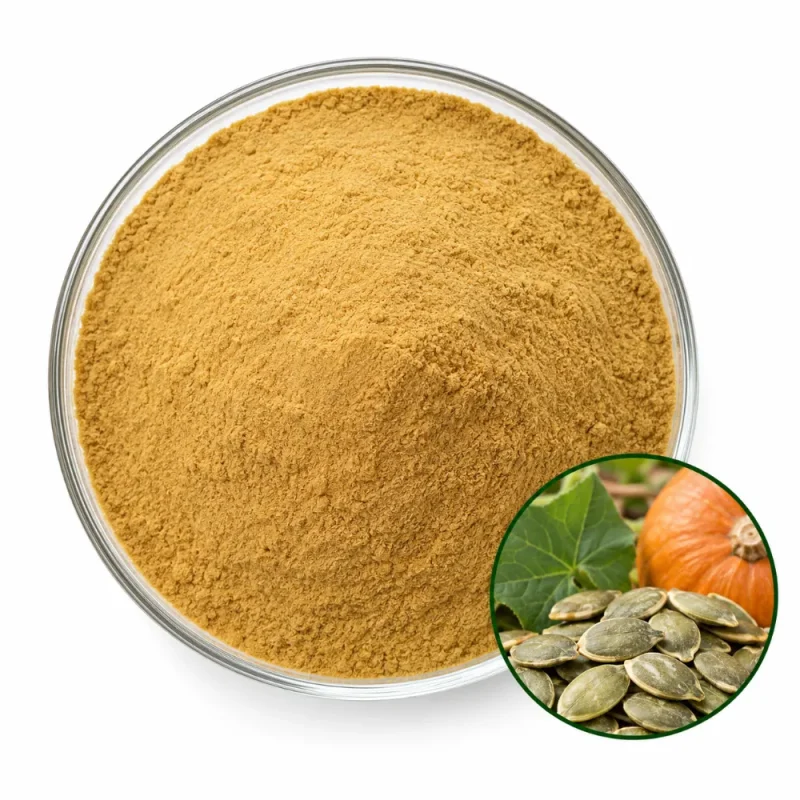
Phytosterol Standardization & Grades
Phytosterols are the plant counterparts of cholesterol: waxy, fat-soluble alcohols with a four-ring steroid skeleton. Pumpkin seed is unusual because a large part of its sterol fraction consists of delta-7 sterols, such as spinasterol and delta-7-stigmastenol, alongside the more common beta-sitosterol. The grade sums the sterols measured by GC, because the seed carries several of them in comparable amounts. The botanical entity is Cucurbita pepo L., and the part used is the seed.
| Grade | Assay & Method | Where It Fits |
|---|---|---|
| 10% Phytosterols | GC | Dry blends and bar premixes |
| 30% Phytosterols | GC | Softgels, capsules and tablets with small fill |
Grade choice follows dose, fill weight and the amount of seed lipid and protein a formula should carry. The 30% grade holds three times the sterol load per gram of the 10% grade, so a softgel or capsule reaches its target with a smaller fill. The 10% grade retains more of the seed oil, protein and minerals and is oilier, bulkier and more prone to oxidation. The same seed is supplied as the unstandardized Pumpkin Seed Extract Powder, the milled Pumpkin Seed Powder and the hydrolyzed Pumpkin Seed Peptide Powder.
Buyers who compare pumpkin seed extract quotes should check what the percentage counts. Total phytosterols and a single named sterol are different measurements, and a seed oil that is rich in sterols is a different ingredient from an ethanol extract. A named species, the seed as the stated part and the sterol method are the three items that make a figure comparable between suppliers.


