
Botanical Ingredients for Sports Nutrition
Botanical extracts, standardized ingredients and plant powders for brands and manufacturers developing pre-workout, endurance, recovery and active nutrition products, with samples, documentation and bulk supply.
Botanicals in Sports Nutrition Formulas
Botanicals are often formulated alongside proteins, amino acids, electrolytes, vitamins and minerals. Selection depends on the product type, dosage format, taste, marker specification, serving size and cost. Because sports formulas often carry high ingredient loads, powder flow, taste, dispersibility and serving size matter most.
Ingredient | Botanical source | Specification focus | Typical product type | Formulation note |
|---|---|---|---|---|
Ashwagandha Extract | Withania somnifera | Withanolides | Active lifestyle formulas | Taste, concentration |
Rhodiola Extract | Rhodiola rosea | Rosavins, salidroside | Active nutrition | Characteristic bitterness |
Beetroot Powder or Extract | Beta vulgaris | Nitrate, where specified and analytically supported | Pre-workout | Color, taste, dispersibility |
Panax Ginseng Extract | Panax ginseng | Ginsenosides | Active nutrition | Standardization, taste |
Green Tea Extract | Camellia sinensis | Polyphenols, catechins or caffeine | Energy and pre-workout | Bitterness, caffeine level |
Turmeric Extract | Curcuma longa | Curcuminoids | Post-workout formulas | Color, dispersibility |
Green tea and guarana are options where a plant-derived caffeine source is wanted; beetroot and other non-caffeinated botanicals suit stimulant-free products. Cordyceps also appears in active nutrition formulas, though it is a fungus rather than a plant.
Standardized Extracts and Defined Markers
Standardized extracts are useful when a formula needs defined levels of characteristic compounds:
- Ashwagandha: withanolides
- Rhodiola rosea: rosavins and salidroside
- Panax ginseng: ginsenosides
- Green tea: polyphenols, catechins or caffeine
- Turmeric: curcuminoids
Defined markers in standardized extracts help compare grades, set serving levels and keep commercial specifications consistent.
Not every project needs one. A ratio extract (our Botanical Extracts are 10:1) or a plant powder may suit better where whole-plant positioning, taste or cost matters more than a defined marker. Identity, plant part, extraction method, carrier, assay method and physical properties should be evaluated together. We compare the options in Specification & Grade Matching.
Powders, Capsules and Drink Mixes
Powder blends
Common in sports nutrition because they carry larger servings and many ingredients. Particle size, bulk density, dispersibility, flavor, color and moisture affect blending.
Capsules and tablets
Concentrated and standardized extracts suit smaller serving volumes; bulky powders are less practical at high serving levels.
Drink mixes
Watch dispersibility, sediment, flavor and color. A good suspension can be acceptable instead of full solubility.
Taste, Solubility and Powder Handling
Taste
Ashwagandha, rhodiola, ginseng and green tea can add bitterness, astringency or earthy notes; beetroot and turmeric strongly affect color.
Liquids and drink powders
Not all extracts are fully water soluble. Check dispersibility, sediment, particle size, carrier and appearance.
Gummies
Balance botanical load against bitterness, color and heat exposure during depositing.
Powder handling
Particle size, bulk density, flow, moisture and carrier affect blending, filling and packing.
Specification and Testing
The specification covers botanical identity and plant part, extract type or concentration, marker assay, particle size and bulk density. It also sets moisture and ash, microbiological limits, heavy metals, pesticide residues, residual solvents for solvent-extracted grades, and carrier information. The test method, such as HPLC, UV or TLC, is agreed in the specification.
Documents: COA, specification, TDS and SDS, plus identity and allergen information and relevant test records.
Specifications and permitted use vary by market. For products aimed at tested athletes, buyers may also define prohibited-substance screening or third-party certification requirements during supplier qualification.
Samples and Commercial Supply
Projects usually move from ingredient screening and bench formulation to pilot production and commercial purchasing. Samples let you review appearance, taste, dispersibility and powder behavior in your formula before confirming the specification.
Samples are typically prepared within 5–7 days. Commercial production typically takes 15–30 days after order and specification confirmation.
Once approved, the agreed specification becomes the reference for future bulk orders.
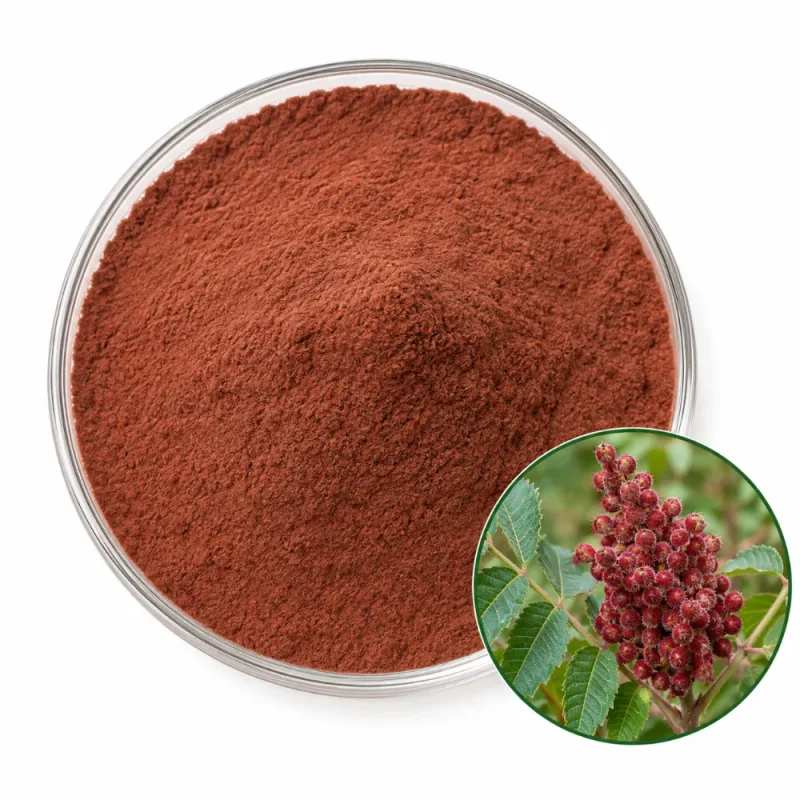
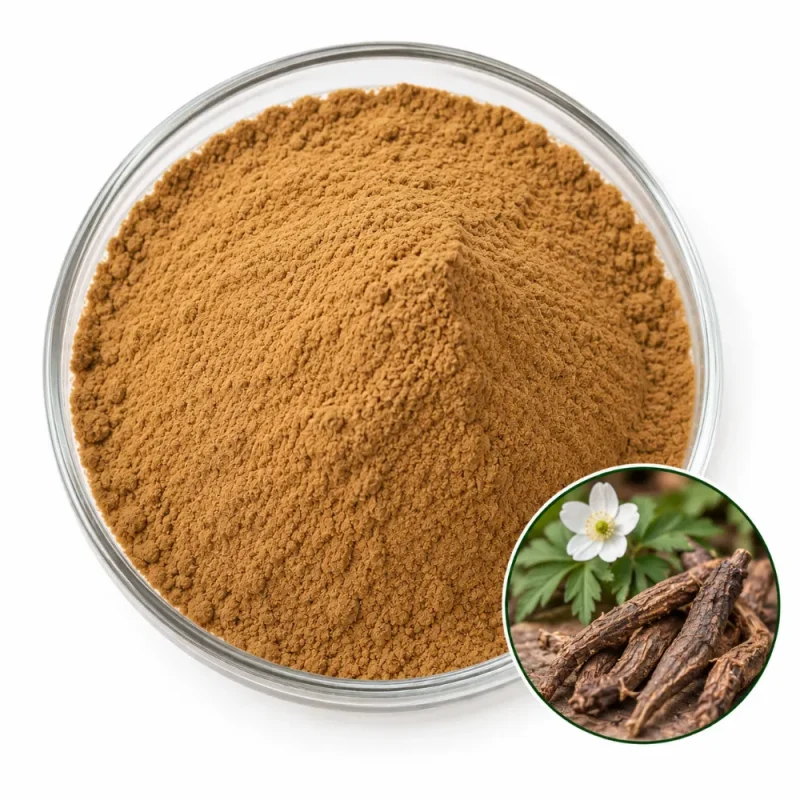
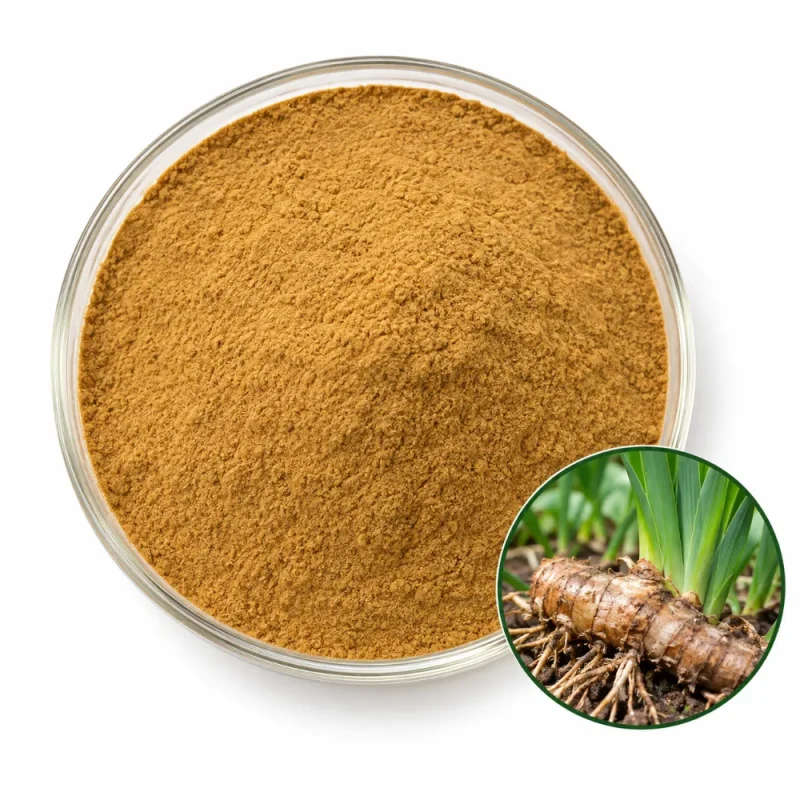
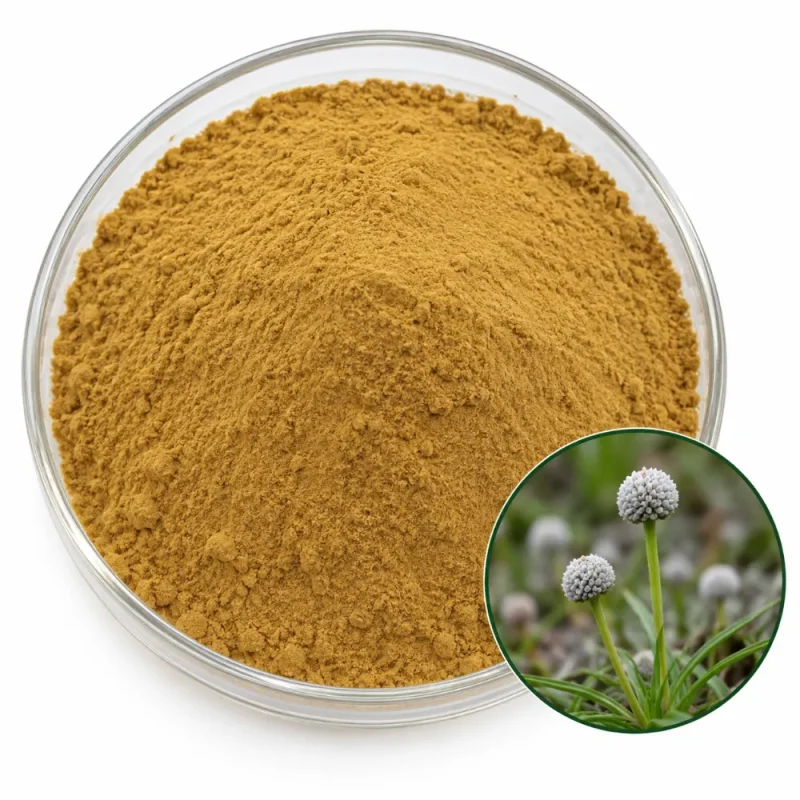
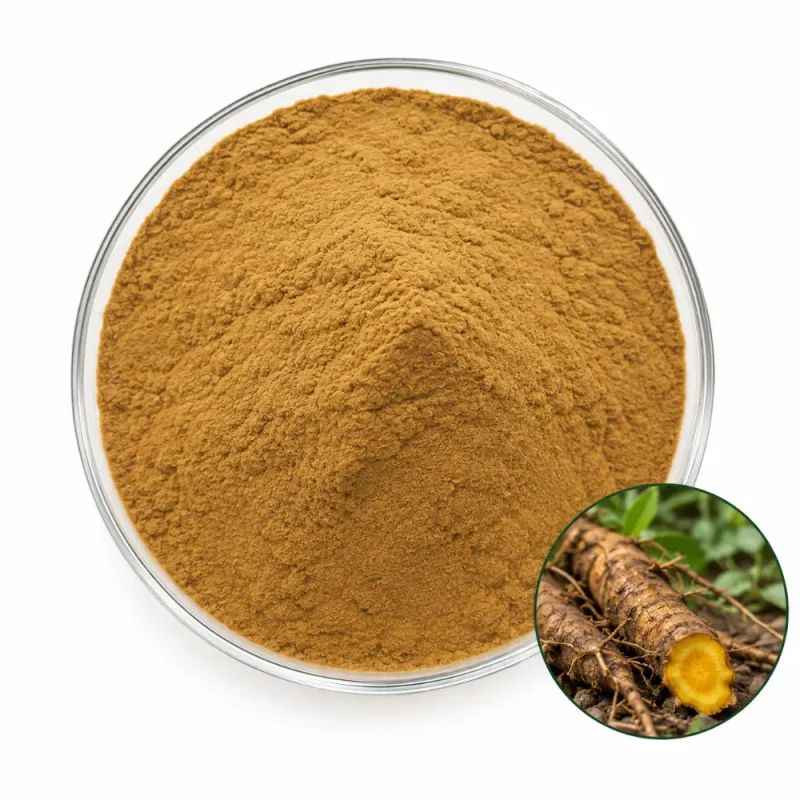
Representative Ingredients

FAQ
Do you offer caffeine-free botanical options for pre-workout?
Yes. Beetroot and other non-caffeinated botanicals are commonly used in stimulant-free formulas.
Can the green tea extract be specified by caffeine content?
Green tea extracts can be specified by polyphenols, catechins or caffeine. Tell us which marker your formula needs.