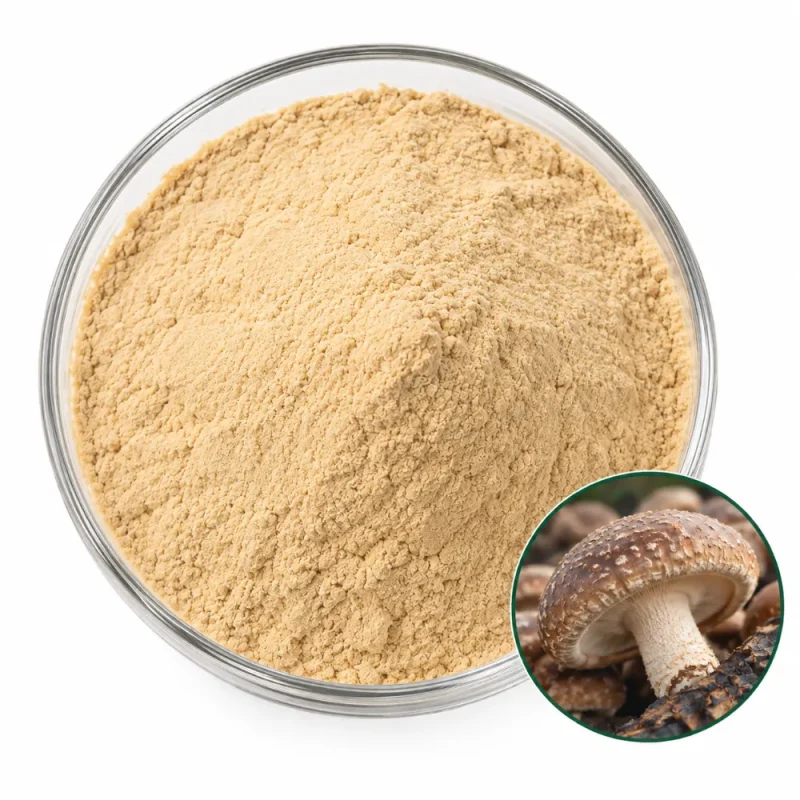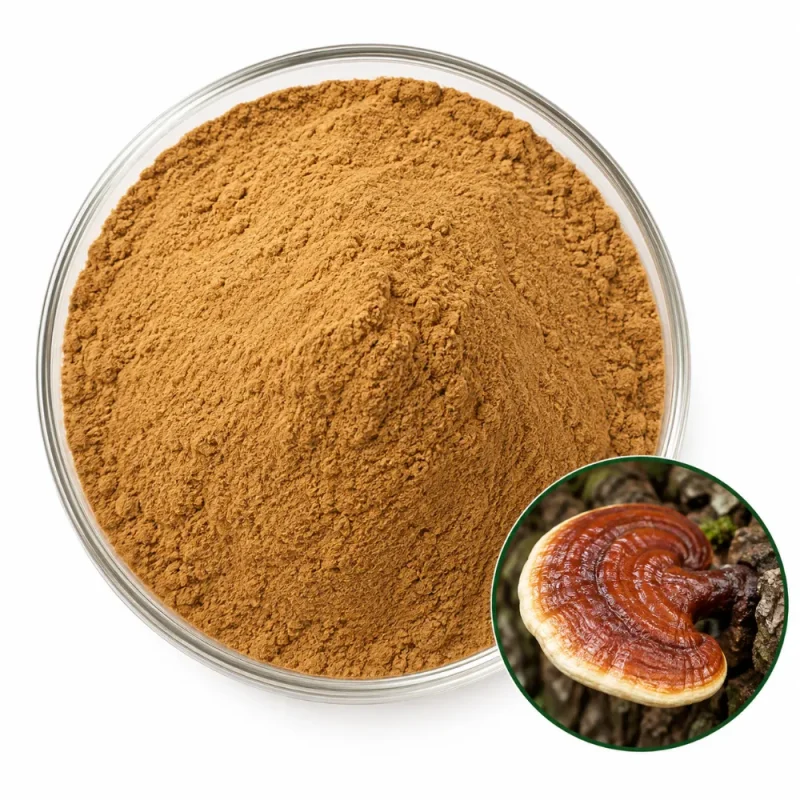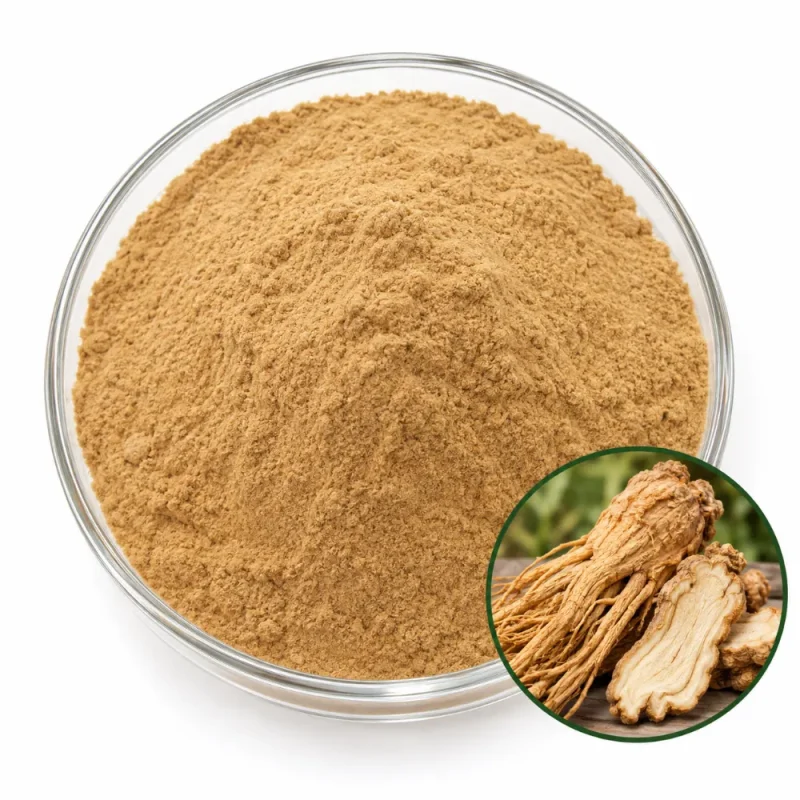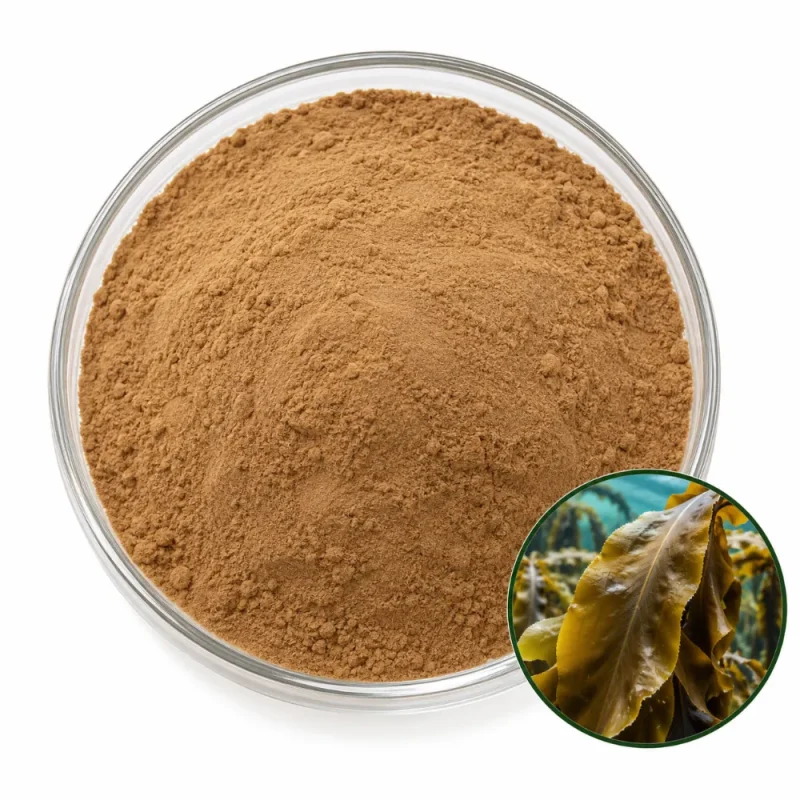
Fucoidan Polysaccharide Powder

Hot-water extraction of the Fucus vesiculosus thallus gives this fucoidan polysaccharide powder, the sulfated, fucose-rich fraction of bladderwrack, separated from its alginate, mannitol and polyphenols. It is purified, dried and milled to a fine light yellow powder that dissolves in water.

Polysaccharide content is ≥30% by UV-Vis, with moisture and total ash each ≤5.0% and particles milled to 80 mesh. The powder is supplied for dietary supplements, functional beverages and functional foods, and the content is a total-carbohydrate value and not a sulfate or fucose value.

Fucus vesiculosus Fucoidan Identity

Fucoidan polysaccharide powder is made from the thallus of Fucus vesiculosus L., the brown seaweed bladderwrack, which is recognized by air bladders arranged in pairs along the frond. The whole thallus is the source. Other brown seaweeds, such as kelp (Laminaria) and wakame (Undaria), also yield fucoidans, but these differ in structure from the bladderwrack material and are not included.

Fucoidan is a family name and not a single molecule. In Fucus vesiculosus the chains are built mainly from L-fucose units that carry sulfate ester groups, with smaller amounts of galactose, xylose and uronic acid. The sulfate groups give the polymer a strong negative charge, and the exact sulfate content, branching and chain length depend on the seaweed species, season and extraction method.

Brown algae hold several other polysaccharides, and fucoidan must be separated from them. Alginate, the main structural polysaccharide of the cell wall, is largely removed by calcium or acid steps, laminarin and mannitol remain in solution until the ethanol precipitation, and phlorotannins, the polyphenols of brown algae, add color and are removed in purification.

Related bladderwrack products have a different identity. Bladderwrack Powder is the milled thallus and Bladderwrack Extract Powder is a ratio extract, and neither is defined by a polysaccharide assay.

Seaweed is also a metal-accumulating material. Brown algae take up arsenic and other elements from seawater, which is why the heavy-metal limits in the specification matter for this class of ingredient.
Polysaccharide Content & Test Method

Polysaccharides ≥30% by UV-Vis is the stated content, which is a total-carbohydrate reading and not a fucoidan assay. In the phenol–sulfuric reaction, hot sulfuric acid hydrolyses the polymers to sugars and phenol converts them into a colored product, so every sugar-bearing component contributes: fucoidan, residual laminarin, alginate fragments and small sugars.

The reading has a particular weakness for fucoidan. L-fucose is a methyl pentose that gives a different color intensity from glucose, and sulfate groups also change how the chain hydrolyses. The result depends on which standard is used for the curve, so the 30% figure is a comparison measure for the same method and is not an absolute mass of fucoidan.

Fucoidan content is more often judged from fucose and sulfate than from a total-sugar number. Fucose and sulfate are determined separately in the laboratory, and no such value is claimed for this grade. A buyer who needs a sulfate figure should treat it as a separate specification and not infer it from the UV-Vis percentage.

Gravimetric weights would include salt and polyphenol carried in the precipitate, and enzymatic assays are not used. Compare the number only with other UV-Vis values.

Typical Specifications

Specification ItemProduct Information
Latin NameFucus vesiculosus
Plant PartSeaweed & Algae
ProcessingWater Extraction & Purification
Common NameFucoidan (bladderwrack fucoidan)
Ingredient TypePolysaccharide Extract
Polysaccharide TypeSulfated fucan (fucose-rich sulfated polysaccharide)
ContentPolysaccharides ≥30% (UV-Vis)
AppearanceLight Yellow powder
Solubility / DispersibilityWater Soluble
Quality Parameters
Moisture≤5.0% (LOD)
Total Ash≤5.0%
Particle Size80 mesh
Heavy MetalsLead ≤2 ppm · Arsenic ≤1 ppm · Cadmium ≤1 ppm · Mercury ≤0.1 ppm
MicrobiologyTPC ≤1,000 cfu/g · Yeast & Mold ≤100 cfu/g · E. coli Negative · Salmonella Negative/25 g
Shelf Life24 months in unopened original packaging, cool and dry storage

Fucoidan Polysaccharide Solution Behavior

Fucoidan polysaccharide is water soluble and gives a pale yellow to light brown solution that can be slightly hazy. The sulfated chains are highly charged and hold water tightly, so viscosity is modest at ordinary use levels, and the solution is easy to pour. Dissolution is faster in warm water, though the powder wets well in cold water with stirring.

The charge dominates how fucoidan behaves with other ingredients. Divalent cations such as calcium and magnesium interact with the sulfate groups, and basic proteins and cationic polymers can bind and precipitate it. Mineral-fortified waters, milk-based drinks and chitosan systems are therefore the main places where haze or sediment appear.

Acid stability is a second point. The sulfate esters and the fucosidic linkages lose stability as pH falls and temperature rises, so a hot, strongly acidic fill shortens the chains and can remove sulfate. Neutral and mildly acidic drinks kept cold are the stable case, and ordinary pasteurization has little effect.

Hold-time tests help in practice. Fucoidan has only a faint marine note after purification, but any residual polyphenol can darken with iron in the water. The powder is hygroscopic and cakes in open air. No viscosity values are stated for this grade.

Application Areas

Mineral-Free Drink Powders

Fucoidan polysaccharide dissolves in cold or warm water and adds only a faint marine note after purification. Because it binds calcium and basic proteins, drink powders built on plain or lightly flavored bases give the clearest result.

Capsule Fills

The purified powder fills capsules with little dust, and its low viscosity avoids the gel layer that forms with thicker polysaccharides. A desiccant pack protects the capsules, since the powder takes up moisture steadily in humid air.

Tablet Granulates

Tablets can carry fucoidan with standard fillers, but wet granulation softens its surface. Dry granulation or a controlled drying endpoint protects hardness, and disintegration time is checked after humid storage, since the charged polymer pulls moisture steadily.

Dry Sachet Blends

Blends with soluble fiber disperse fucoidan evenly, and a flow check before filling prevents bridging in the sachet hopper. A barrier laminate protects against humid distribution and keeps the powder free-flowing, which matters because a damp pack of fucoidan hardens into a single lump.

Neutral Beverage Shots

Shots built on neutral pH water bases keep the polymer stable through shelf life. Strongly acidic juice shots should be filled cold, because heat and low pH together shorten the chains and can remove sulfate.

Packaging & Commercial Supply

Essencefield supports product evaluation, formulation trials, commercial orders, and ongoing ingredient supply. Packaging, storage, and shipping arrangements are determined by product characteristics, order quantity, stability requirements, and destination-market needs.

Supply ItemGeneral Information
SampleAvailable upon request for formulation, testing, and supplier evaluation
Order Quantities100 g · 1 kg · 5 kg · 25 kg · 100 kg · 500 kg · Bulk
Sample Lead TimeTypically 5–7 days after sample confirmation
Production Lead TimeTypically 15–30 days after order and specification confirmation
PackagingSuitable protective inner packaging with bags, cartons, drums, or other appropriate outer packaging
StorageStore in tightly sealed, suitable protective packaging in a cool, dry environment. Protect from moisture, heat, and direct sunlight. Specific storage conditions follow the approved product specification.
DocumentationCOA · Product Specification · TDS · SDS · Applicable declarations (as applicable)

Final order quantities, lead times, packaging, documentation, and shipping arrangements are confirmed according to the selected product and commercial requirements.

Request Ingredient Specifications & Quote

Share your target specification, application, quantity, and documentation needs. We’ll help confirm suitable options, samples, and commercial supply details.