Cymbopogon citratus Raw Material & Plant Part
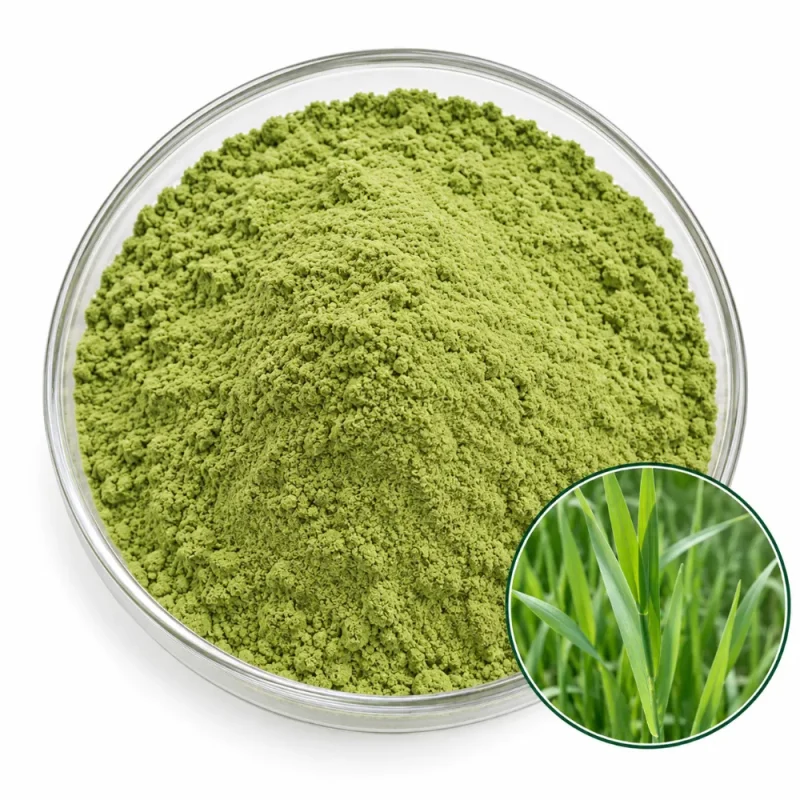
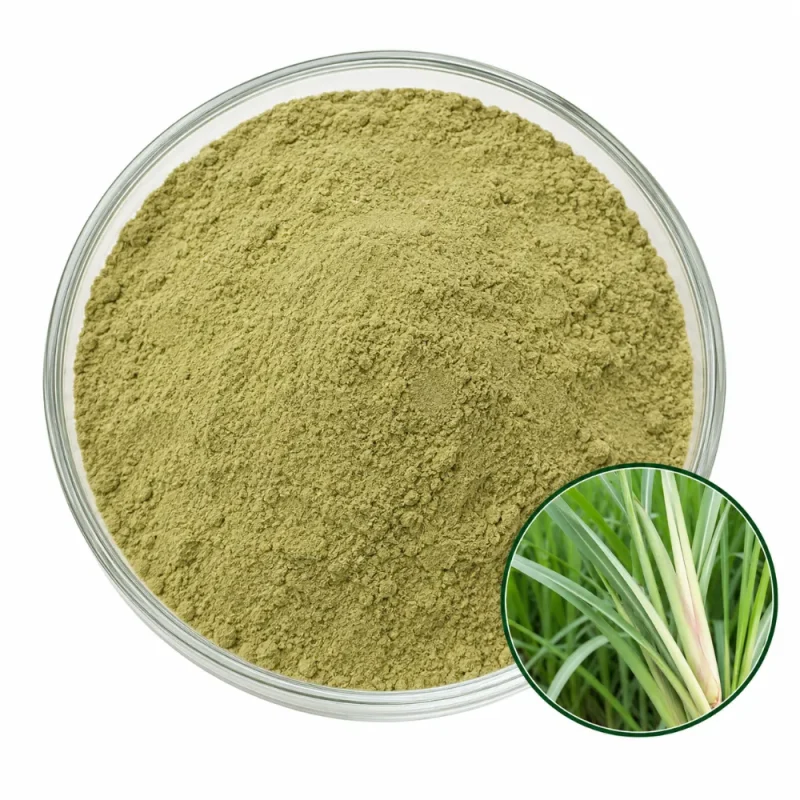
The botanical name is Cymbopogon citratus (DC.) Stapf, family Poaceae, known as lemongrass or West Indian lemongrass. The raw material is the dried leaf blade, cut from mature clumps, dried and milled. Roots and the lower white stalk, which is the part used fresh in Southeast Asian cooking, are not the focus of this powder.
Lemongrass has look-alikes. Cymbopogon flexuosus is the East Indian lemongrass, a related species grown for its oil with a different citral profile, and Cymbopogon nardus, citronella, has a different, more perfume-like smell. Lemon balm, lemon verbena and lemon thyme are different plants that smell of lemon for similar chemical reasons. The species name defines lemongrass.
The lemon scent comes from citral, a mixture of the isomers geranial and neral, found in the essential oil of the leaf. The leaf also contains flavonoids, including luteolin glycosides, and phenolic acids.
Citral is volatile and easily lost, which is why drying temperature and storage determine how lemony the powder smells. Fast drying at moderate temperature keeps the bright aroma, while hot or slow drying produces a flat, hay-like powder.
Lemongrass is a clumping perennial that is cut several times a year. The green upper blades are the part dried for powder, while the lower sheath is tougher and carries less aroma. The dried leaf is light green with a slightly yellow cast, and the milled powder keeps that tint.