Bael Fruit Powder

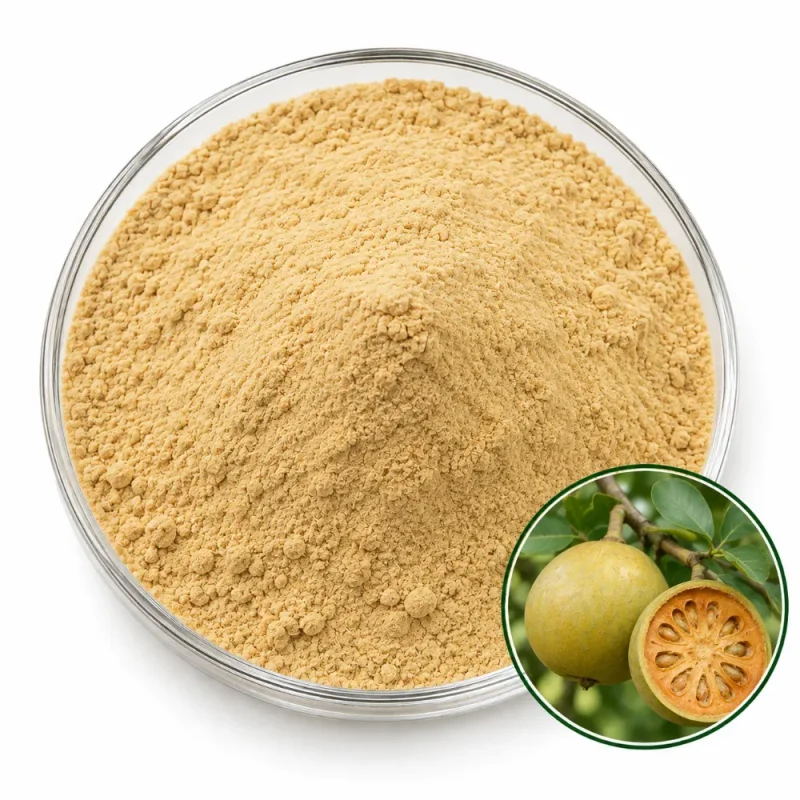
The hard-shelled bael fruit of Aegle marmelos, a citrus-family tree of the Indian subcontinent, is pulped, and the sweet-resinous juice is concentrated and spray-dried onto a maltodextrin carrier to give this light yellow powder. The raw material is the aromatic pulp of the fruit, so the woody shell and the seeds stay out of it.

Bael fruit powder dissolves in water to a pale, slightly viscous golden liquid and has a sweet, aromatic and gently astringent taste with a faint citrus-resin note. It differs from bael fruit extract, which is concentrated around a defined tannin content, and from the whole dried fruit of traditional trade.

Bael Fruit Juice Powder Processing

The species is Aegle marmelos (L.) Corrêa, family Rutaceae, known as bael, bel, stone apple or Bengal quince. It is a tree of the citrus family, and its round fruit has a smooth, woody shell that is cracked to reach the orange-brown, sticky, fragrant pulp inside. The pulp contains seeds embedded in a clear mucilage, and both the shell and the seed coats are removed before the pulp is used.

Bael is often confused with wood apple, Limonia acidissima, a different tree in the same family whose fruit looks similar but tastes sour and is sold under the same trade names in some markets. The botanical name defines which fruit is meant. Unripe and ripe bael also differ: the unripe fruit is hard and astringent and is dried in slices, while the ripe fruit is soft, sweet and aromatic and is the source of drinks and juice powders.

The raw material is bael fruit juice concentrate. The pulp is extracted with water, the liquid is concentrated, mixed with maltodextrin and spray-dried to a fine powder. The carrier helps the powder flow and dissolve, and it dilutes the mucilage and tannins of the pulp, which would otherwise make the dry material sticky and hard to handle.

Bael trees flower in spring and the fruit ripens slowly over many months, so harvest is timed to the stage that gives the needed flavor. The shell hardens as the fruit matures, and ripe fruit is recognized by a yellowish-green shell that gives off a strong sweet-resin scent when it is cracked.
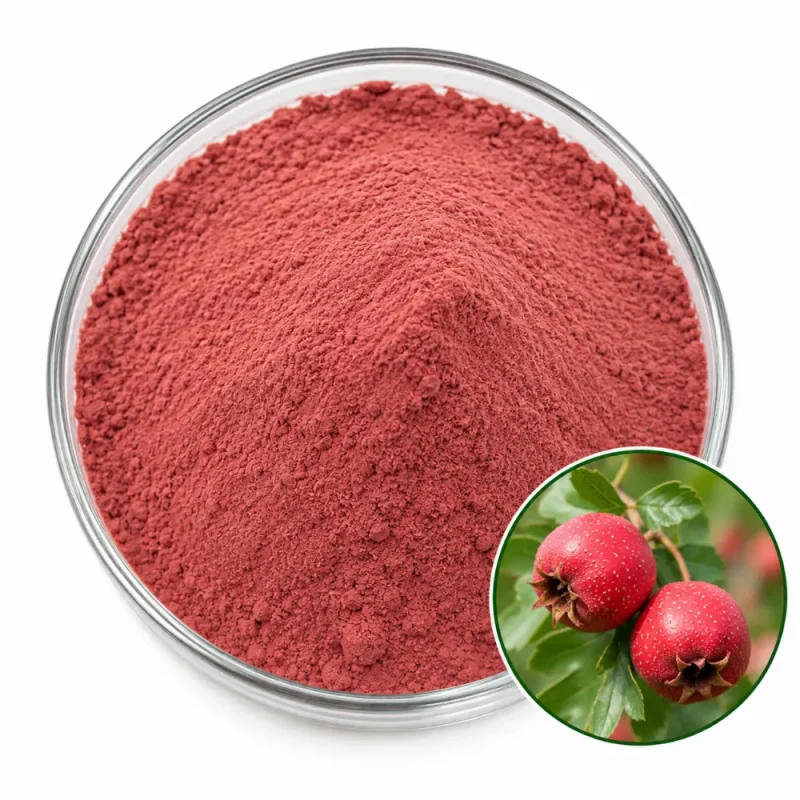
Bael Fruit Flavor, Color & Forms

Bael fruit powder is light yellow to pale amber. In water it dissolves into a clear to slightly hazy, mildly thickened liquid, because the pulp carries pectin and mucilage that raise viscosity. The taste is sweet-aromatic first and then mildly astringent, with a resinous, citrus-peel fragrance.

The pulp is known for tannins, coumarins such as marmelosin, mucilage and pectin, and the leaf is known for the alkaloid aegeline, which belongs to the leaf and not to the pulp. Tannins bind proteins, so milk-based drinks can turn hazy.

FormWhat It IsChoose It When
Bael Fruit Juice PowderSpray-dried bael pulp juice on a maltodextrin carrierA soluble, aromatic fruit powder for drinks and bases
Bael Fruit Extract PowderWater-extracted bael concentrate without a stated markerA solid extract format instead of a juice powder
Bael Extract 5% TanninsBael extract standardized to a tannin contentA defined tannin content is the requirement

The juice powder is the sweet, aromatic form for beverages and desserts, while the extracts address formulas that need a defined or more concentrated fruit material.

Typical Specifications

Specification ItemProduct Information
Latin NameAegle marmelos
Plant PartFruit & Berry
ProcessingSpray-Dried Juice
Common NameBael, bel, stone apple, Bengal quince
Raw MaterialBael fruit juice concentrate
Ingredient TypeJuice Powder
CarrierMaltodextrin
AppearanceLight Yellow powder
FlavorSweet-aromatic, mildly astringent, resinous citrus note
Solubility / DispersibilityWater Soluble
Quality Parameters
Moisture (LOD)≤5.0%
Heavy MetalsLead ≤2 ppm · Arsenic ≤1 ppm · Cadmium ≤1 ppm · Mercury ≤0.1 ppm
MicrobiologyTPC ≤10,000 cfu/g · Yeast & Mold ≤1,000 cfu/g · E. coli Negative · Salmonella Negative/25 g
Shelf Life24 months in unopened original packaging, cool and dry storage

Application Areas

Traditional sherbet-style drink mixes

Bael is the base of a cooling sherbet drink in South Asia, and the powder reproduces it in an instant mix. It dissolves in cold water, and it is sweetened with sugar or jaggery and lifted with a little lime or cardamom for the familiar profile.

Fruit-based dessert and pudding mixes

Dry dessert mixes use the powder for an aromatic, golden fruit flavor. The pectin and mucilage of the pulp add mild thickness, so the dose is balanced with other thickeners, and the mix sets slightly more firmly than a plain fruit base.

Confectionery and fruit candies

Candies, chews and fruit leathers take bael powder as an aromatic fruit component. The astringency is softened by sugar, and the resin note blends with ginger and spice, so the powder is tasted in the finished sweet. Cooking temperature is kept moderate to protect the aroma.

Bakery fillings and spreads

Fillings, spreads and sweet breads accept the powder as a dry fruit flavor. Heat in baking mellows the resin note, and the golden color is stable in neutral doughs. Fillings are tasted after cooling, since the aroma rounds off.

Yogurt and lassi-style bases

Yogurt and lassi-style drinks use the powder for flavor and a gentle yellow tint. Tannins can thicken milk proteins, so the powder is added with mixing and at a modest level, and the drink is tested after storage.

Moisture Pickup & Stability

Bael pulp is rich in mucilage, pectin and sugar, and the powder holds on to water. Even with a maltodextrin carrier, an open pack takes up humidity quickly, turns sticky and sets to a hard cake, so barrier packaging with low headspace, dry rooms and fast resealing are standard. Lumps are screened out and not forced through the line.

Color and aroma change with storage. The light yellow tone slowly deepens toward amber under heat and humidity, and the resinous aroma fades when containers stay open. Opaque packs and a cool, dry store keep both stable, and working containers are small so that the main pack remains closed.

In liquids, tannins darken on contact with iron, and mucilage swells slowly after dissolving, so a drink thickens a little on standing. Stainless steel equipment and a test of the finished product after a rest period give a realistic picture of its final texture.

Bael fruit powder is kept in sealed liners, in a cool and dry store, and working containers are filled in a dry room. Because the mucilage binds water, a powder that has started to cake is not reused in dry blends.

Packaging & Commercial Supply

Essencefield supports product evaluation, formulation trials, commercial orders, and ongoing ingredient supply. Packaging, storage, and shipping arrangements are determined by product characteristics, order quantity, stability requirements, and destination-market needs.

Supply ItemGeneral Information
SampleAvailable upon request for formulation, testing, and supplier evaluation
Order Quantities100 g · 1 kg · 5 kg · 25 kg · 100 kg · 500 kg · Bulk
Sample Lead TimeTypically 5–7 days after sample confirmation
Production Lead TimeTypically 15–30 days after order and specification confirmation
PackagingSuitable protective inner packaging with bags, cartons, drums, or other appropriate outer packaging
StorageStore in tightly sealed, suitable protective packaging in a cool, dry environment. Protect from moisture, heat, and direct sunlight. Specific storage conditions follow the approved product specification.
DocumentationCOA · Product Specification · TDS · SDS · Applicable declarations (as applicable)

Final order quantities, lead times, packaging, documentation, and shipping arrangements are confirmed according to the selected product and commercial requirements.

Request Ingredient Specifications & Quote

Share your target specification, application, quantity, and documentation needs. We’ll help confirm suitable options, samples, and commercial supply details.