Kiwi Juice Powder Processing
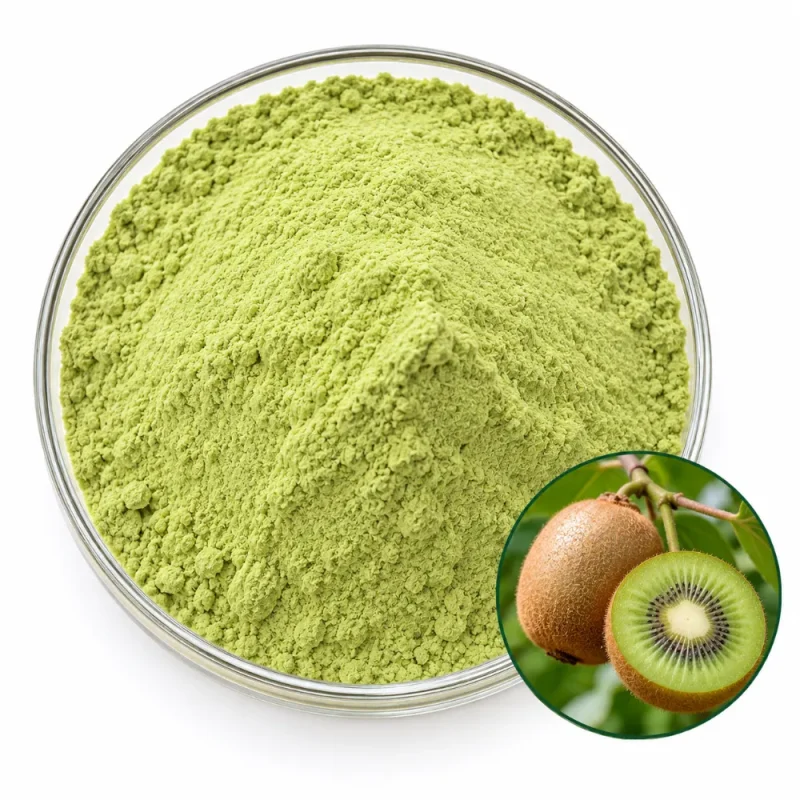
The species is Actinidia chinensis Planch., the Chinese kiwifruit, a vigorous climbing vine of the kiwifruit family (Actinidiaceae). Two taxa dominate trade. Green fuzzy kiwifruit is usually A. chinensis var. deliciosa (Hayward), while yellow or golden types are A. chinensis var. chinensis, and both are sold as kiwi. Hardy kiwi, Actinidia arguta, has small smooth-skinned fruit and is a separate species. The master data names A. chinensis, and that name is retained here.
The raw material is kiwi juice concentrate. The flesh and its tiny black seeds are pressed, and the juice is concentrated by evaporation, blended with maltodextrin, and atomized in a spray dryer. The carrier makes the powder soluble and free-flowing and gives some protection against the stickiness of the fruit’s acid solids.
Kiwifruit are harvested firm and ripened off the vine, and the fruit stores for months in cold rooms. Fruit used for pressing is usually at the soft ripe stage, where sugars are higher and the juice is easier to extract. The sourness left in the juice is part of the signature of the powder.
Actinidin is heat-sensitive. Concentration and spray-drying temperatures reduce its activity, which also explains why fresh kiwi spoils milk-protein desserts while processed kiwi products are better behaved. No enzyme activity is claimed or specified here.