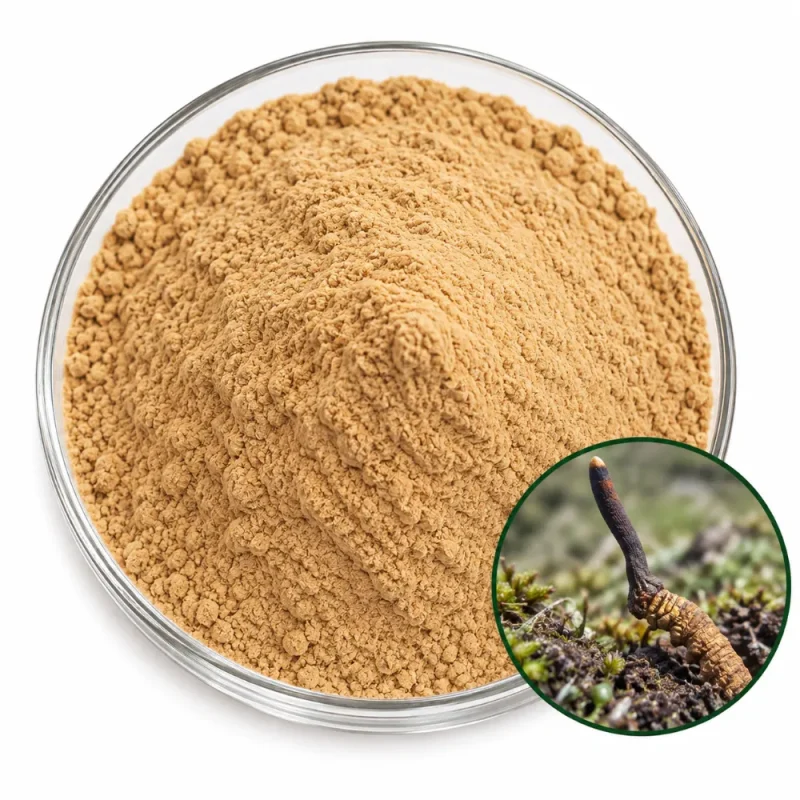
Cordyceps sinensis Polysaccharide Identity
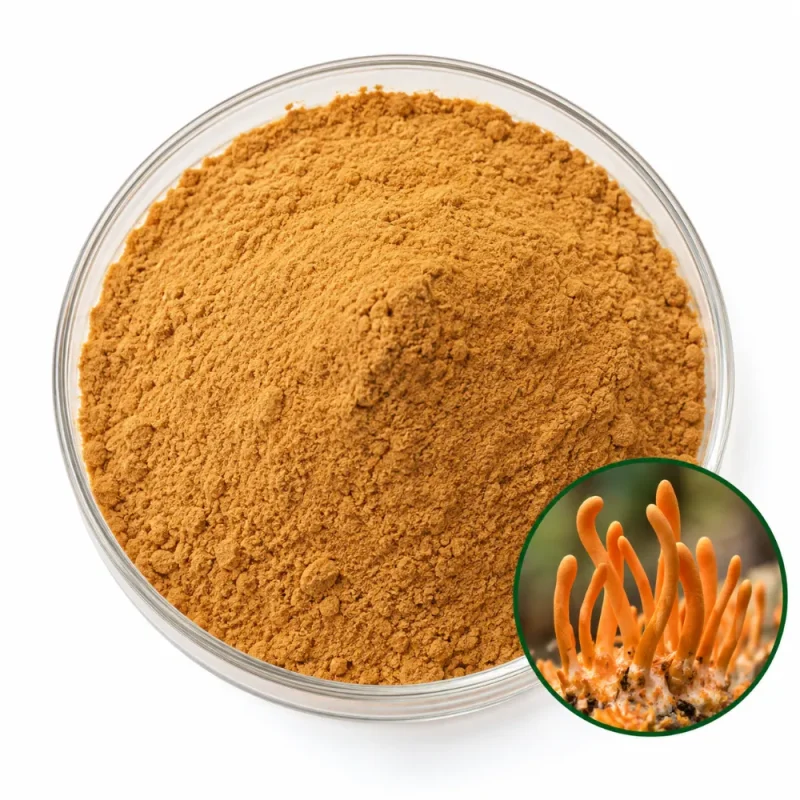
The source is the fungus long known as Cordyceps sinensis (Berk.) Sacc., which current taxonomy accepts as Ophiocordyceps sinensis in the family Ophiocordycipitaceae. In nature it infects the underground larvae of ghost moths on the high Tibetan Plateau and the Himalayas, and a dark fungal stalk grows from the larva in spring. The traditional name “yartsa gunbu” or “winter worm, summer grass” describes this union of insect and fungus.
Wild specimens are scarce and expensive, and the species is difficult to cultivate as a fruiting body, so most commercial products come from cultivated fungal material. This is a point of care for the label. Cordyceps militaris, a different and more easily cultivated species, is also sold as “cordyceps,” and its products have different chemistry. The Latin name in the H1 states which fungus is meant, and the part named for this product is the fruiting body.
The polysaccharides of this fungus include glucans, mannose-rich heteropolysaccharides and galactomannan-type fractions. Water extraction followed by concentration and ethanol precipitation recovers the water-soluble polysaccharides, and the fraction is dried to powder. Along the way protein, a little mineral salt and, depending on the substrate, leftover starch or dextrin can be carried with the fraction.