Morinda Officinalis Root Powder

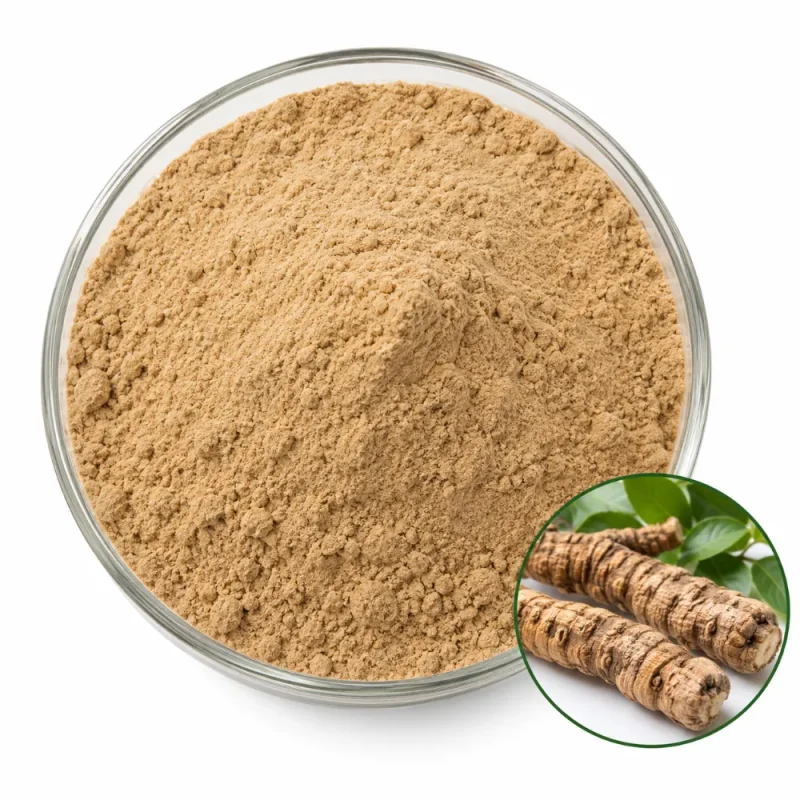
The fleshy root of Morinda officinalis, a climbing shrub of southern China known as ba ji tian, is washed, dried and milled into this light brown powder with a faintly sweet, earthy character. Only the root is used, so the leaf, stem and fruit of the plant do not enter the material.

Morinda officinalis root powder is supplied at 80 mesh, with 40, 60 and 100 mesh optional, and has a mild, earthy odor with a slightly sweet, faintly bitter taste. It is raw milled root rather than an extract, so inclusion rates are higher and the fibrous, sugary character of the root is kept in the product.

Morinda officinalis Raw Material & Plant Part

The botanical name is Morinda officinalis F.C.How, family Rubiaceae, known as Morinda root, ba ji tian or Chinese morinda. The raw material is the dried root, which is dug up from cultivated plants, washed, cut and dried before milling. Stem, leaf, flower and fruit are not part of the powder. Some databases treat the species as a synonym of Gynochthodes officinalis, and labels may show either name.

The plant is easily confused with its relative noni, Morinda citrifolia, which is a different species grown for its fruit and leaves. Noni products are a different ingredient with different chemistry, and the two should not be mixed in a specification. Naming the species and the root keeps them apart, since the name Morinda alone does not.

The root is known for oligosaccharides, mainly inulin-type sugars that give the powder its slight sweetness and its tendency to take up water, for iridoid glycosides such as monotropein, and for anthraquinones such as rubiadin in small amounts.

The dried root is firm and woody, with a purplish-gray surface in some pieces and a pale interior, so the powder is light brown with a hint of purple in darker lots. The color comes from the anthraquinone pigments and shifts with pH, which is a practical point for liquid formats.

Morinda officinalis grows as a climbing shrub on warm, humid hillsides, and the cultivated roots are harvested after several years of growth. The thick, fleshy roots are cut and dried slowly, and the quality of Morinda officinalis root powder depends on thorough drying, since a damp root molds and darkens quickly.
Morinda Officinalis Root Powder vs Extract

FormWhat It IsChoose It When
Morinda Officinalis Root PowderMilled dried root with its sugars and fiberWhole-root inclusion in blends and capsules
Morinda Officinalis Extract PowderWater-extracted root with the fiber removedA soluble format at a lower inclusion rate

The root powder keeps the oligosaccharides, the fiber and the pigments together at their natural, lower concentration. Inclusion rates are higher than for an extract, the powder tastes mildly sweet, and it only disperses in liquids because the cell wall fiber stays in.

The extract powder concentrates the soluble fraction, including the sugars and the iridoid glycosides, and it dissolves more cleanly. It is easier to dose at low weights and in drinks, while the root powder is chosen for dry blends, doughs and capsule fills in which the whole root and its mild sweetness are acceptable.

A practical difference lies in water uptake. The oligosaccharide-rich root powder absorbs moisture quickly and turns sticky, which is less pronounced in the more processed extract powder, and it should be remembered in packaging and in humid production areas.

For a buyer, Morinda officinalis root powder is the whole-root material, and Morinda officinalis extract powder is the concentrated, more soluble form. The two forms carry the same species and part on the label, and the difference lies in the fiber and in the dose by weight.

Typical Specifications

Specification ItemProduct Information
Latin NameMorinda officinalis
Plant PartRoot & Rhizome
ProcessingMilled
Common NameMorinda root, ba ji tian, Chinese morinda
Raw MaterialDried root
Ingredient TypeMilled Powder
AppearanceLight Brown powder (natural color of the dried material)
Odor & TasteMild, earthy odor; slightly sweet, faintly bitter taste
Solubility / DispersibilityWater Dispersible
Quality Parameters
Moisture (LOD)≤8.0%
Particle Size80 mesh (40 / 60 / 100 mesh optional)
Heavy MetalsLead ≤2 ppm · Arsenic ≤1 ppm · Cadmium ≤1 ppm · Mercury ≤0.1 ppm
MicrobiologyTPC ≤10,000 cfu/g · Yeast & Mold ≤1,000 cfu/g · E. coli Negative · Salmonella Negative/25 g
Shelf Life24 months in unopened original packaging, cool and dry storage

Application Areas

Herbal soup and decoction mixes

Morinda officinalis root powder is a traditional component of herbal soup bases with goji, jujube or ginger. The mild sweetness suits these partners, and the fiber is strained or left to settle, so a coarser mesh is preferred.

Capsule and tablet blends

Fills use the root powder as a sweet, fibrous material. The sugars absorb water and the powder turns tacky, so desiccants and a dry filling room are used, and tablets need a lubricant to avoid sticking to the punches.

Herbal tea-style infusion blends

Tea-style blends take coarse 40 or 60 mesh grades with licorice or chrysanthemum. The infusion is light brown with a gentle sweetness, and a long steep gives a slightly purple tint from the anthraquinone pigments.

Powder sticks with sweet bases

Powder sticks combine the root with honey, date or malt powders for a mildly sweet drink. The sticky root powder is premixed with a free-flowing carrier, so it does not clump in the pack or in the cup.

Handling & Blending Notes

Sugars govern the handling of Morinda root powder. The oligosaccharides pull water from room air, so the powder cakes, turns sticky and darkens in open packs within hours at high humidity. Barrier bags with low headspace, dry weighing rooms and quick resealing keep it free-flowing, and clumped material is screened out and not reworked.

The powder builds up on hopper walls and scoops when warm and damp, so cool rooms and dry tools are used. Premixing with a dry, free-flowing carrier helps in blends, and a finer mesh increases stickiness, so the 80 mesh grade is the working compromise for most dry formats.

Color and taste of Morinda officinalis root powder change on storage. Heat and moisture darken the powder and develop a caramel-like note, which is why opaque packs, a cool store and short working periods after opening are advised. The anthraquinone pigments are pH sensitive, so liquid formats are tested at the finished pH. Opened containers are resealed at once.

Morinda officinalis root powder is best purchased in packs that match the production rate. A smaller pack that is opened and finished within a short time protects the powder from the humidity that its sugars attract.

Packaging & Commercial Supply

Essencefield supports product evaluation, formulation trials, commercial orders, and ongoing ingredient supply. Packaging, storage, and shipping arrangements are determined by product characteristics, order quantity, stability requirements, and destination-market needs.

Supply ItemGeneral Information
SampleAvailable upon request for formulation, testing, and supplier evaluation
Order Quantities100 g · 1 kg · 5 kg · 25 kg · 100 kg · 500 kg · Bulk
Sample Lead TimeTypically 5–7 days after sample confirmation
Production Lead TimeTypically 15–30 days after order and specification confirmation
PackagingSuitable protective inner packaging with bags, cartons, drums, or other appropriate outer packaging
StorageStore in tightly sealed, suitable protective packaging in a cool, dry environment. Protect from moisture, heat, and direct sunlight. Specific storage conditions follow the approved product specification.
DocumentationCOA · Product Specification · TDS · SDS · Applicable declarations (as applicable)

Final order quantities, lead times, packaging, documentation, and shipping arrangements are confirmed according to the selected product and commercial requirements.

Request Ingredient Specifications & Quote

Share your target specification, application, quantity, and documentation needs. We’ll help confirm suitable options, samples, and commercial supply details.