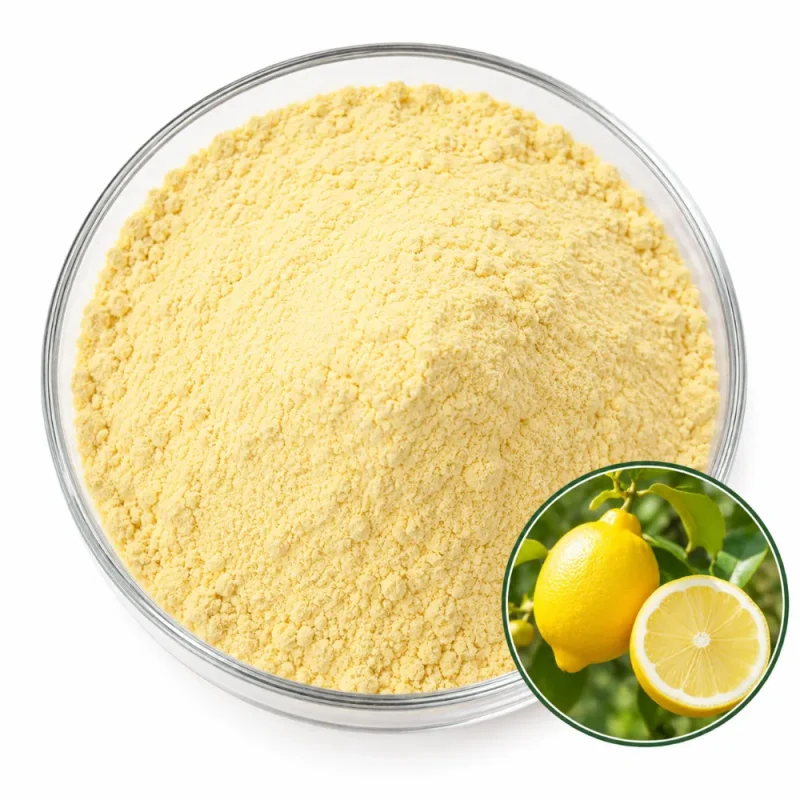
Passion Fruit Powder

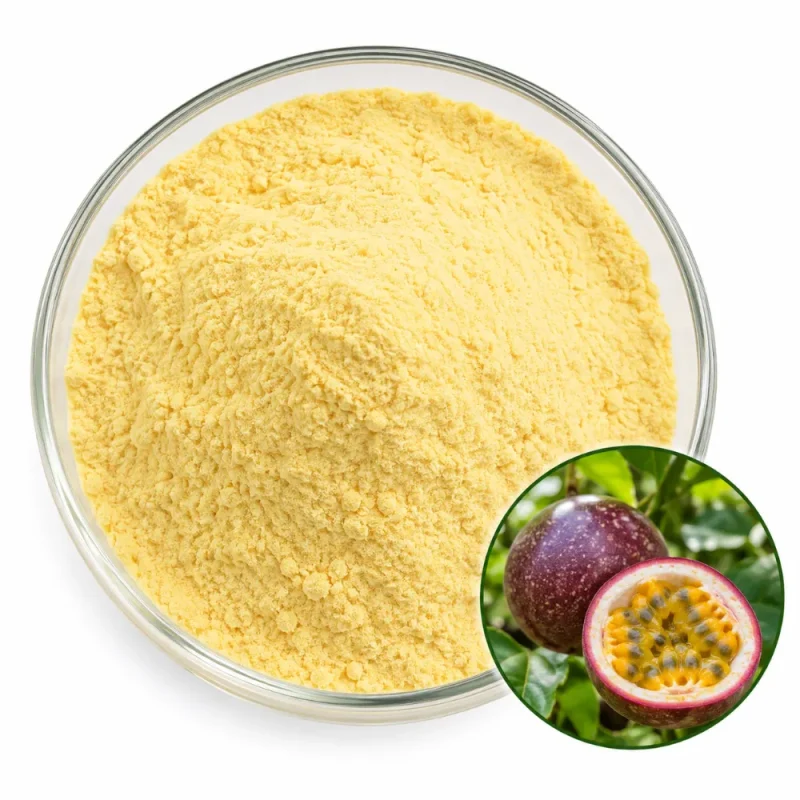
Passion fruit powder is spray-dried from the strained pulp juice of Passiflora edulis fruit on a maltodextrin carrier. It is a light yellow, water-soluble powder with a sharp, aromatic, tropical tartness. Seeds, rind and the vine itself are not part of the product.

Passion fruit is the most aroma-intense and acidic of the tropical fruits in the juice-powder range. A small amount of powder carries a strong fruity nose and a lively sourness, which is why it often works as the accent flavor in a tropical blend.

Passion Fruit Juice Powder Processing

The species is Passiflora edulis Sims, a climbing vine of the passion flower family (Passifloraceae) native to South America. Two forms are traded. The purple passion fruit is smaller and sweeter, and the yellow form, often listed as P. edulis f. flavicarpa, is larger and more acidic; the pale color of this powder fits the yellow type. Sweet granadilla, Passiflora ligularis, and banana passionfruit, Passiflora tarminiana, are different species. The medicinal herb Passiflora incarnata is a different plant used for a different purpose.

The raw material is passion fruit juice concentrate. The aromatic pulp with its black seeds is strained, the juice is concentrated, and maltodextrin is added as the carrier before atomization in a spray dryer. The carrier gives the powder its flow and dissolves it cleanly, and it softens the biting acidity of pure juice.

Seeds and the leathery rind are removed in straining, so the powder dissolves without grit and without the crunchy specks of whole-pulp products. The pulp’s aromatic compounds are carried largely in the juice phase, which is why the powder keeps the strong nose of the fruit.

The vines flower and fruit twice a year in many regions, and the harvest is concentrated when the fruit drops from the vine fully ripe, since wrinkled skin signals the sweetest pulp. Concentrate makers press the fruit soon after collection because the pulp ferments quickly.
Passion Fruit Flavor, Color & Forms

The powder is light yellow and dissolves into a pale yellow, slightly cloudy solution. The taste is sharp and sour with a tropical sweetness behind it, and the aroma is complex, built on esters, lactones and trace sulfur compounds that give passion fruit its unmistakable character. Citric acid is the main acid, and the flavor stays bright even at low inclusion.

Characteristic constituents are citric acid, sugars, pectin, aroma esters and sulfur volatiles, and a light carotenoid fraction. No figure is given for any of them. Flavor intensity makes the powder efficient: it carries the identity of the fruit at a lower dose than milder fruit powders.

FormWhat It IsChoose It When
Passion Fruit Juice PowderSpray-dried pulp juice on maltodextrinA soluble, sharp passion fruit base is wanted
Freeze-Dried Passion Fruit PowderPulp dried under vacuum without a carrierPulp texture and full aroma are wanted
Passion Fruit Extract PowderRatio extractA concentrated extract is specified

Typical Specifications

Specification ItemProduct Information
Latin NamePassiflora edulis
Plant PartFruit & Berry
ProcessingSpray-Dried Juice
Common NamePassion fruit
Raw MaterialPassion fruit juice concentrate
Ingredient TypeJuice Powder
CarrierMaltodextrin
AppearanceLight Yellow powder
FlavorSharp, sour, aromatic tropical
Solubility / DispersibilityWater Soluble
Quality Parameters
Moisture (LOD)≤5.0%
Heavy MetalsLead ≤2 ppm · Arsenic ≤1 ppm · Cadmium ≤1 ppm · Mercury ≤0.1 ppm
MicrobiologyTPC ≤10,000 cfu/g · Yeast & Mold ≤1,000 cfu/g · E. coli Negative · Salmonella Negative/25 g
Shelf Life24 months in unopened original packaging, cool and dry storage

Application Areas

Tropical Drink Mixes

Dry drink mixes use passion fruit powder as the accent flavor in blends with mango, pineapple and guava. Its high acid and intense nose let formulators keep the inclusion low, and the powder dissolves quickly in cold water.

Cocktail and Mocktail Powders

Mixer powders for tropical cocktails and spritzers add passion fruit powder for a sharp, aromatic edge. The pale color keeps the drink clear, and the acid balances sweet spirits and syrups in a way that fresh juice would do only at high cost.

Mousse and Cheesecake Mixes

Dry dessert mixes use passion fruit powder for a vivid sour layer against cream and sugar. The acid brightens rich dairy, but it can thicken or curdle milk protein if added too early, so it is dosed into the dry mix and hydrated with the base.

Ice Cream and Sorbet Bases

Frozen bases take passion fruit powder to deliver a tart tropical flavor without seeds. Its sugars and acids lower the freezing point, so the overall mix needs balancing, and sorbet recipes usually trim added sugar.

Sour Candy Coatings

Sour sanding for gummies and chews uses passion fruit powder to add fruity aroma to the acid layer. It is mixed dry with sugar and a little added acid, and the coating is applied while dry, since the powder becomes sticky quickly.

Moisture Pickup & Stability

Passion fruit powder combines acid, sugar and a maltodextrin carrier, a mix that takes up moisture very readily. Exposed to normal humid air, it first becomes sticky, then clumps, then sets into a hard cake. Weigh it in a dry room, reseal the liner immediately and sieve any lumps before blending.

The aroma is the most fragile part. Esters and sulfur compounds oxidize and evaporate with warmth and air, and aged powder smells flat and slightly stale compared with fresh stock. Store unopened drums cool, use opened ones soon, and add the powder late in dry blending to limit exposure to heat from mixers.

Acid also matters for equipment and for formula interactions. The powder attacks bare iron and aluminum, so stainless steel or food-grade plastic is the right choice for tools. In milk systems it can destabilize proteins at higher dosage, and in blends with carbonates it reacts as soon as moisture is present, so those ingredients are kept apart.

Because the sourness is so strong, the powder is dosed by weight and verified by taste in the finished product. A drum that has taken up moisture tastes the same but dissolves unevenly, so judge a suspect lot by how it flows and dissolves as well as by taste before it goes into a dry blend.

Packaging & Commercial Supply

Essencefield supports product evaluation, formulation trials, commercial orders, and ongoing ingredient supply. Packaging, storage, and shipping arrangements are determined by product characteristics, order quantity, stability requirements, and destination-market needs.

Supply ItemGeneral Information
SampleAvailable upon request for formulation, testing, and supplier evaluation
Order Quantities100 g · 1 kg · 5 kg · 25 kg · 100 kg · 500 kg · Bulk
Sample Lead TimeTypically 5–7 days after sample confirmation
Production Lead TimeTypically 15–30 days after order and specification confirmation
PackagingSuitable protective inner packaging with bags, cartons, drums, or other appropriate outer packaging
StorageStore in tightly sealed, suitable protective packaging in a cool, dry environment. Protect from moisture, heat, and direct sunlight. Specific storage conditions follow the approved product specification.
DocumentationCOA · Product Specification · TDS · SDS · Applicable declarations (as applicable)

Final order quantities, lead times, packaging, documentation, and shipping arrangements are confirmed according to the selected product and commercial requirements.

Request Ingredient Specifications & Quote

Share your target specification, application, quantity, and documentation needs. We’ll help confirm suitable options, samples, and commercial supply details.