Botanical ingredients can carry heavy metals, pesticide residues and microbial contaminants picked up during cultivation, harvest, processing or storage — substances that affect safety and decide whether a batch meets its commercial specification. Contaminant testing evaluates these risks with appropriate methods, defined acceptance criteria and documented laboratory results. For supplement manufacturers and buyers, a passing Certificate of Analysis (COA) is only part of the assessment: test scope, analytical sensitivity and batch identity matter as well. This guide covers the main risks in powders and extracts, how to interpret results, and what to consider before approving material for commercial supply.
Which Contaminants Matter in Botanical Ingredients?
Heavy metals, pesticide residues and microbiological contaminants are the three principal categories, with mycotoxins, residual solvents and source-specific substances also requiring testing in some cases. Contamination can come from soil, irrigation water, agricultural treatments, processing equipment, drying or storage, and extraction can change the concentration of some contaminants.
| Contaminant Category | Common Parameters | Typical Methods | Main Concern |
|---|---|---|---|
| Heavy metals | Lead, cadmium, arsenic, mercury | ICP-MS, ICP-OES, AAS | Toxic element exposure |
| Pesticide residues | Agricultural pesticides and relevant metabolites | LC-MS/MS, GC-MS/MS | Residue levels and screening coverage |
| Microbiological contaminants | TAMC, TYMC, E. coli, Salmonella | Culture-based or validated alternative methods | Microbial quality and specified pathogens |
| Mycotoxins | Aflatoxins, ochratoxin A | HPLC, LC-MS/MS | Toxins associated with susceptible materials |
| Residual solvents | Relevant extraction solvents | Gas chromatography | Processing-related residues |
Passing one category says nothing about another, since each test addresses a different hazard. Identity testing is also separate: it establishes whether the material is the declared species and plant part, while contaminant testing evaluates chemical and microbial risks. A correctly identified botanical can still be contaminated, and a clean contaminant report does not prove authenticity (see Botanical Ingredient Identity Testing).
How Testing Varies by Ingredient Form
| Ingredient Form | Main Testing Considerations | Additional Risk-Based Checks |
|---|---|---|
| Raw botanical powder | Heavy metals, pesticide residues, microbial quality | Mycotoxins, moisture, foreign matter |
| Standardized extract | Relevant metals, pesticides, microbiology | Residual solvents, extraction-related changes |
| Spray-dried extract | Contaminants associated with the botanical source | Carrier quality, post-processing contamination |
| Purified phytochemical | Relevant elemental and organic impurities | Residual solvents, process-specific impurities |
Raw botanical powders retain much of the plant matrix, whereas extraction selectively transfers compounds into a solvent and changes relative composition. The difference between native extract (before carrier) and finished commercial powder (which may include maltodextrin or other aids) matters here: when comparing pesticide results, confirm whether the tested material was the plant, the native extract or the carrier-containing powder, since results on different forms may not be comparable without a common reporting basis. Our Specification & Grade Matching service looks at how plant part, ratio, marker content, carrier and methods affect selection, and the finished grade should be assessed against the specification set for its application.
Heavy Metal Testing in Botanical Extracts
Heavy metals can enter plant material through soil, water, environmental deposition or processing. Lead (Pb), cadmium (Cd), arsenic (As) and mercury (Hg) are commonly monitored, with concentrations varying by species, plant part, growing conditions and processing. Some materials need additional elements or speciation — total arsenic, for example, does not distinguish inorganic arsenic from other species.
ICP-MS and Other Elemental Analysis Methods
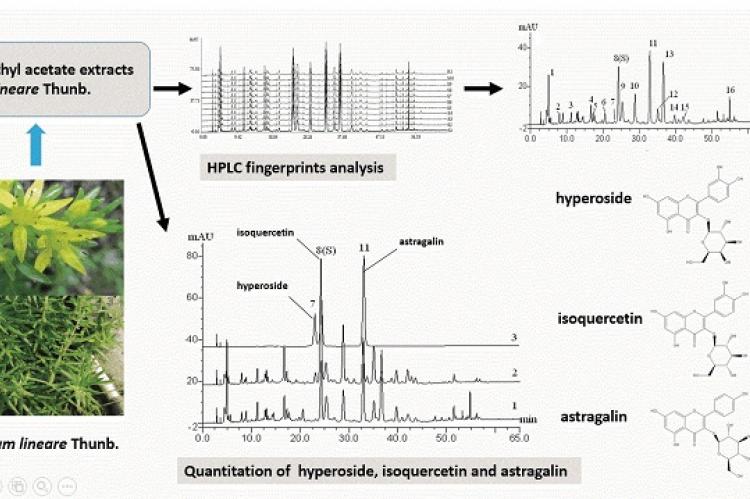
Inductively coupled plasma mass spectrometry (ICP-MS) is widely used because it measures multiple elements at low concentrations: after sample preparation, usually acid digestion, elements are ionized in a plasma and measured by mass-to-charge ratio. ICP-OES and atomic absorption spectroscopy (AAS) suit some applications; ICP-MS generally offers more trace-level sensitivity, while ICP-OES works where its performance meets the specification. Method choice should reflect target elements, matrix, quantification limits and the validated procedure.
Why Daily Intake Matters
Metals in solid ingredients are usually reported in mg/kg (ppm by mass), but concentration is not the same as daily intake: daily exposure (µg/day) = concentration (mg/kg) × daily ingredient intake (mg/day) ÷ 1,000. A hypothetical extract with 0.60 mg/kg lead used at 500 mg/day contributes 0.30 µg/day. That covers only this ingredient; it does not establish the finished supplement’s safety or compliance, which depends on other ingredients, total intake and applicable criteria. USP’s General Chapter <2232> Elemental Contaminants in Dietary Supplements addresses finished dosage forms labeled as conforming to USP or NF, not universal limits for all dietary ingredients, so concentration specifications should be set with the intended product and its requirements in mind.
Pesticide Residue Testing in Botanical Ingredients
Residues may come from agricultural treatment, environmental exposure or some post-harvest practices, depending on region, cultivation history, plant part and processing. A supplier statement that pesticides were not intentionally applied does not prove residues are absent; testing provides the evidence against purchasing specifications and regulatory requirements.
LC-MS/MS, GC-MS/MS, and Screening Panels
LC-MS/MS is commonly used for relatively polar or thermally sensitive pesticides and GC-MS/MS for volatile or GC-compatible compounds. They complement each other, but neither detects every pesticide. A multiresidue panel covers a predefined list, and its value depends on the analytes included, sensitivity, sample preparation and validation — a 500-compound panel is not automatically better than a smaller one built around the ingredient’s real risks. Some compounds, including glyphosate and its metabolite AMPA, need specialized procedures outside conventional multiresidue methods. Review the analyte list, residue definitions, compound-specific quantification limits and any targeted testing the specification requires.
Understanding MRL, LOD, and LOQ
The maximum residue level (MRL) is the legal maximum for a pesticide in a commodity under an applicable framework; the limit of detection (LOD) is the lowest level detectable under defined conditions; and the limit of quantification (LOQ) is the lowest level quantifiable with acceptable performance. Suppose a hypothetical specification requires Pesticide X ≤ 0.01 mg/kg and the lab reports “not quantified” with an LOQ of 0.05 mg/kg. The result does not show the material exceeds the limit, but it cannot demonstrate compliance either, because the method cannot quantify down to the requirement — a more sensitive validated method or other justified evidence is needed. For the EU, the European Commission Pesticides Database gives MRL information, but it is informational; check the binding legislation, commodity classification and residue definition.
Matrix Effects in Botanical Extract Testing
Pigments, polyphenols, lipids and other constituents can suppress or enhance instrument signals and distort quantitative results. Zhu and colleagues (2021, Food Additives & Contaminants: Part A) evaluated cleanup and dilution for UPLC-MS/MS pesticide analysis in spices and herbs and found black pepper produced stronger matrix interference than several other materials, with piperine a major contributor, so more purification and dilution were needed (peer-reviewed research on pesticide analysis in herbs and spices). Optimized cleanup, matrix-matched calibration, internal standards and recovery studies can help. For buyers, the question is whether the method has shown adequate performance on the material tested — advanced instrumentation alone does not answer it.
How Extraction Affects Pesticide Residues
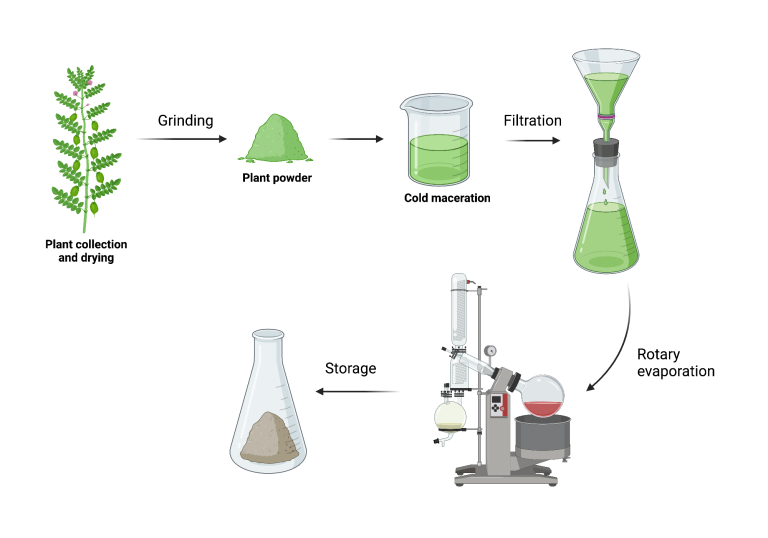
A 10:1 extract does not automatically contain ten times the pesticide residues of its starting material. The ratio describes a manufacturing relationship, not pesticide transfer. Actual residue levels depend on the pesticide’s solubility in the solvent, partitioning between solids and liquid, stability during processing, extraction temperature and time, filtration, purification and concentration, and final yield and carrier content — some compounds transfer efficiently, others stay in the discarded solids or degrade. A processing factor (the change in residue concentration between unprocessed and processed material under defined conditions) is not the same as a commercial extract ratio. Article 20 of EU Regulation (EC) No 396/2005 addresses MRLs for processed and composite products, including concentration and dilution effects; where suitable processing-factor evidence is missing, testing the finished extract may be needed. Our article on how botanical extracts are made describes the stages that shape extract composition.
Microbial Testing: Counts and Pathogens
Microbiological testing evaluates the microbial quality of powders and extracts and checks for specified organisms of concern; contamination may arise from soil, water, drying, equipment, packaging, handling or storage. General counts and specified-pathogen tests answer different questions, and one cannot replace the other.
Total Counts and Specified Microorganisms
Total aerobic microbial count (TAMC) estimates viable aerobic microorganisms recoverable under defined conditions, and total combined yeasts and molds count (TYMC) estimates viable yeasts and molds, both usually in CFU/g. Depending on material and application, testing may also cover Escherichia coli, Salmonella spp. or other specified organisms.
| Parameter | Reporting Format | Main Review Point |
|---|---|---|
| TAMC | CFU/g | Numerical count and acceptance limit |
| TYMC | CFU/g | Yeast and mold count |
| E. coli | Count or detected/not detected | Method and required criterion |
| Salmonella spp. | Detected/not detected in a specified mass | Sample mass and absence requirement |
| Other specified microorganisms | Method-dependent | Relevance to the intended application |
USP General Chapters <2021> Microbial Enumeration Tests and <2022> Absence of Specified Microorganisms (both for dietary ingredients and supplements) describe recognized procedures; acceptance criteria must still reflect the product and its requirements.
Moisture Content, Water Activity, and Storage
Moisture content is how much water a material holds; water activity is how available that water is for microbial growth and other processes, so two powders with similar moisture can differ in water activity. Drying lowers growth potential, but low water activity does not necessarily kill organisms already present, and contamination can also occur later during blending, filling or packaging. Microbiological specifications should reflect processing history, storage and intended application.
Mycotoxins, Residual Solvents, and Other Risks
Mycotoxins such as aflatoxins and ochratoxin A can occur in susceptible materials exposed to conditions favoring toxin-producing fungi; a yeast and mold count cannot replace targeted analysis because toxins may persist when viable mold is low. Residual solvents need evaluation where extracts are made with ethanol, methanol, acetone or other relevant solvents, usually by gas chromatography.
Source-Specific Contaminants
Pyrrolizidine alkaloids (PAs) occur naturally in some species or enter harvested material through accidental inclusion of PA-producing plants. Ethylene oxide and 2-chloroethanol may warrant targeted testing where treatment history, supply-chain risk or market requirements indicate concern, and polycyclic aromatic hydrocarbons (PAHs) may matter for materials exposed to combustion-related drying or environmental contamination.
| Additional Risk | Possible Source | Testing Consideration |
|---|---|---|
| Pyrrolizidine alkaloids | Certain plants or accidental botanical admixture | Targeted alkaloid analysis |
| Ethylene oxide / 2-chloroethanol | Relevant treatment or contamination history | Specific residue analysis |
| PAHs | Certain drying processes or environmental exposure | Targeted PAH testing |
| Mycotoxins | Susceptible materials and storage conditions | Specific mycotoxin analysis |
| Residual solvents | Extraction and downstream processing | Suitable solvent-specific method |
These are often outside routine panels. Commission Regulation (EU) 2023/915, as amended, sets maximum levels for certain contaminants and plant toxins, including PAs and PAHs, in specified food categories; confirm the product category and current law before applying a number to a particular extract.
Sampling, Method Validation, and Laboratory Competence
Representative Sampling
A lab analyzes only the sample it receives; if that sample does not represent the lot, an accurate measurement can still give an incomplete picture. This matters for unevenly distributed contaminants — mycotoxins can be localized, so a small sample from one container may miss contamination elsewhere. Sampling plans should account for heterogeneity, lot size, collection, preparation and traceability; the WHO’s Quality Control Methods for Herbal Materials gives technical guidance on sampling and quality assessment.
Analytical Method Validation
Methods should show suitable accuracy, precision, recovery, selectivity, calibration and quantification limits for the analyte, matrix and acceptance limit. A method validated for untreated powder may not perform the same in a concentrated extract, so lab selection should weigh method suitability as well as instruments.
Accredited Third-Party Laboratories
Independent testing supports new supplier qualification, investigation of unexpected results and verification of critical parameters. ISO/IEC 17025:2017 sets internationally recognized requirements for laboratory competence, impartiality and consistent operation, but accreditation covers a defined scope, not every method or matrix a lab offers. Our Quality & Testing page describes how we handle quality parameters, contaminant assessment, batch review and independent verification when required.
US and EU Contaminant Requirements
Specifications vary by regulatory system, product category and application; no single number applies to every botanical in every market.
United States
For U.S. dietary supplements, 21 CFR Part 111 sets CGMP requirements. Under 21 CFR §111.70 manufacturers must establish component specifications including necessary contamination limits, and 21 CFR §111.75 covers verification, scientifically valid methods and the conditions for relying on qualified suppliers’ COAs for certain requirements. Dietary-ingredient identity verification has distinct obligations and should not be confused with those conditions.
European Union
Regulation (EC) No 396/2005 sets the pesticide MRL framework for relevant food and feed, and Regulation (EU) 2023/915, as amended, sets maximum levels for selected contaminants in specified food categories. Processed botanical ingredients may need extra thought on product classification and processing factors.
| Regulatory Reference | Main Focus | Buyer Consideration |
|---|---|---|
| FDA 21 CFR Part 111 | Dietary supplement GMP | Component specifications and verification |
| USP <2021> / <2022> | Microbiological procedures | Suitable analytical methods |
| USP <2232> | Elemental contaminants in certain finished dietary supplements | Applicable finished-product requirements |
| EU Regulation 396/2005 | Pesticide MRLs | Commodity classification and processing |
| EU Regulation 2023/915 | Certain contaminants and plant toxins in foods | Product category and applicable limits |
| ISO/IEC 17025 | Laboratory competence | Relevant accreditation scope |
Establish the applicable framework before comparing lab results with purchasing specifications; our Compliance & Documentation page lists the documents available to support this.
How to Assess Contaminant Results on a COA
First confirm the COA corresponds to the grade and lot to be shipped. A representative COA can support preliminary evaluation but should not be presented as batch evidence for an unrelated lot.
Illustrative COA Review
The values below are hypothetical — not universal limits or actual Essencefield specifications.
| Parameter | Example Specification | Reported Result | Assessment |
|---|---|---|---|
| Lead | ≤ 2.0 mg/kg | 0.60 mg/kg | Meets example specification |
| Cadmium | ≤ 1.0 mg/kg | 0.18 mg/kg | Meets example specification |
| Pesticide X | ≤ 0.01 mg/kg | Not quantified; LOQ 0.05 mg/kg | Additional evidence required |
| TAMC | ≤ 10,000 CFU/g | 1,200 CFU/g | Meets example specification |
| Salmonella | Not detected in 25 g | Not detected in 25 g | Meets stated criterion |
| E. coli | Testing required | Not reported | Missing evidence |
The pesticide row shows the gap between a report that looks acceptable and sufficient evidence: with an LOQ above the limit, conformity is not demonstrated. An omitted microbiological result likewise needs clarification when that test is part of the agreed requirements. Our guide to reading a botanical extract COA covers specifications, batch identification, results and documentation more broadly.
Handling Inconclusive and Out-of-Specification Results
Missing information, inconclusive findings and confirmed out-of-specification (OOS) results call for different responses. An inadequate LOQ or omitted test may need more analytical evidence; a valid result above an applicable limit requires formal quality review and material control. Investigations may look at sampling, method suitability, contamination sources and production records. Retesting is justified only where there is a sound scientific reason to question the original result — not to replace an unfavorable valid result — and disposition should follow documented procedures.
Before Approving a Botanical Ingredient Batch
Before commercial approval, procurement and QA teams should confirm:
- Material identity: scientific name, plant part, origin, grade and batch number.
- Testing coverage: relevant metals, pesticides, microbial parameters and risk-based contaminants.
- Analytical suitability: validated methods, adequate quantification limits and relevant lab capability.
- Specification alignment: results consistent with customer requirements and market criteria.
- Documentation: traceable records for the commercial material.
- Quality disposition: approval, clarification, hold, investigation, justified additional testing or rejection.
Organic certification and other sourcing credentials describe production practices but do not replace evidence that a specific batch meets its contaminant specifications.
When Should Contaminant Testing Be Repeated?
Frequency depends on material risk, supplier qualification, regulatory obligations and historical results. Changes in origin, extraction solvent, facility, carrier or previous findings can justify revisiting the plan. 21 CFR §111.75 sets identity-verification obligations and conditions for relying on qualified supplier COAs, but it does not require every contaminant test at an identical frequency. An established supplier relationship should rest on a documented verification program that responds to changes and unexpected findings, keeping confidence in quality from first samples to repeat commercial batches.
Turning Test Results into Sourcing Decisions
Metal, pesticide and microbiological results only mean something when read alongside ingredient form, processing history, analytical sensitivity, applicable specifications and batch documentation. The goal is to establish whether the evidence supports approving the intended ingredient — a stack of certificates on its own does not.
Common Misreadings of Contaminant Results
A passing heavy metals result does not mean an ingredient is free of other contaminants. Heavy metals, pesticide residues, microbiology, mycotoxins and residual solvents each address a different hazard, and passing one category does not demonstrate compliance with another.
Extract ratios are also easy to misread. A 10:1 extract does not automatically carry ten times the pesticide residues of the plant. The ratio describes a manufacturing relationship, while actual residue levels depend on solubility, partitioning, stability, processing conditions, yield and carrier content. Where processing-factor evidence is missing, the finished extract may need testing.
A “not quantified” result needs the same care when the LOQ sits above the specification limit. In that case the method cannot confirm conformity: the result does not show the material exceeds the limit, but a more sensitive validated method or other justified evidence is needed to demonstrate compliance.
Finally, a yeast and mold count cannot stand in for mycotoxin testing. Mycotoxins can persist even when viable mold levels are low, so susceptible materials need targeted mycotoxin analysis.
Discuss Your Botanical Ingredient Requirements
We support B2B sourcing of botanical powders, extracts, standardized ingredients and phytochemicals through our Ingredient Sourcing service, specification matching and documentation review. Testing scope follows the material and process — a powder such as Turmeric Root Powder and an extract such as Turmeric Extract 60–95% Curcuminoids may need different test panels. Share your target ingredient, grade, contaminant specifications, application, destination market and estimated quantity, and contact Essencefield Botanicals (or email info@essencefield.com) to request a specification, representative COA or sample.
Technical note: testing panels, methods and acceptance criteria must be selected for the actual ingredient, use and destination market. Illustrative COA values in this article are educational examples, not product specifications or laboratory results.