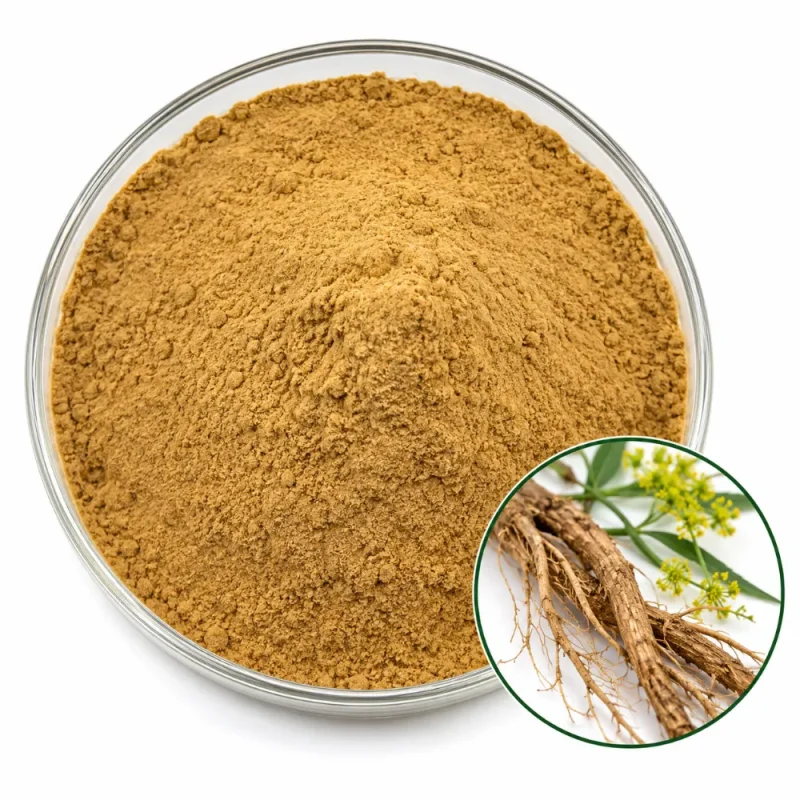
Bupleurum chinense Raw Material & Plant Part
The botanical name is Bupleurum chinense DC., family Apiaceae, known as Chinese thorowax or by its herbal name chai hu. The raw material is the dried root, which is dug up, trimmed of its aerial remnants, washed, sliced and dried before milling. Leaves, stems and flowers are not included.
The genus is large, and the species matter. Chinese pharmacopoeial practice lists Bupleurum chinense (northern chai hu) together with Bupleurum scorzonerifolium (southern chai hu). Bupleurum falcatum is the Japanese species used in kampo. Bupleurum longiradiatum, the large-leaf thorowax, is a different plant that is not accepted in the pharmacopoeia and is regarded as toxic, so identification of the root is a safety issue as well as a labeling point.
The root is known for triterpenoid saponins called saikosaponins, mainly saikosaponins a, c and d, as well as essential oil, plant sterols and polyacetylenes. Saponins make the root foam in water.
Roots are harvested from cultivated plants in autumn or early spring, after at least a year of growth, and are dried slowly to retain their aromatic character.
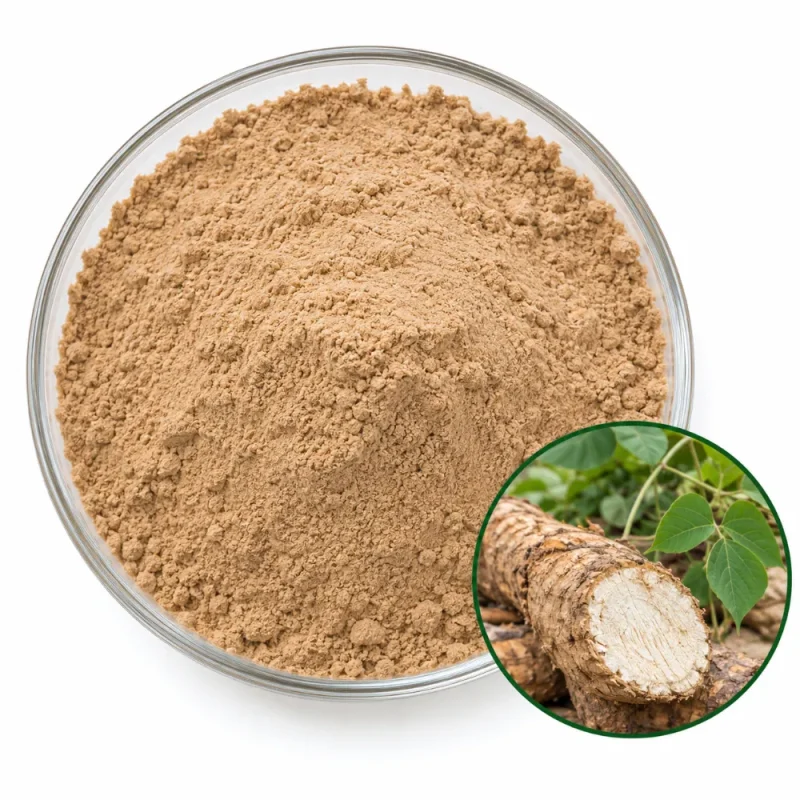
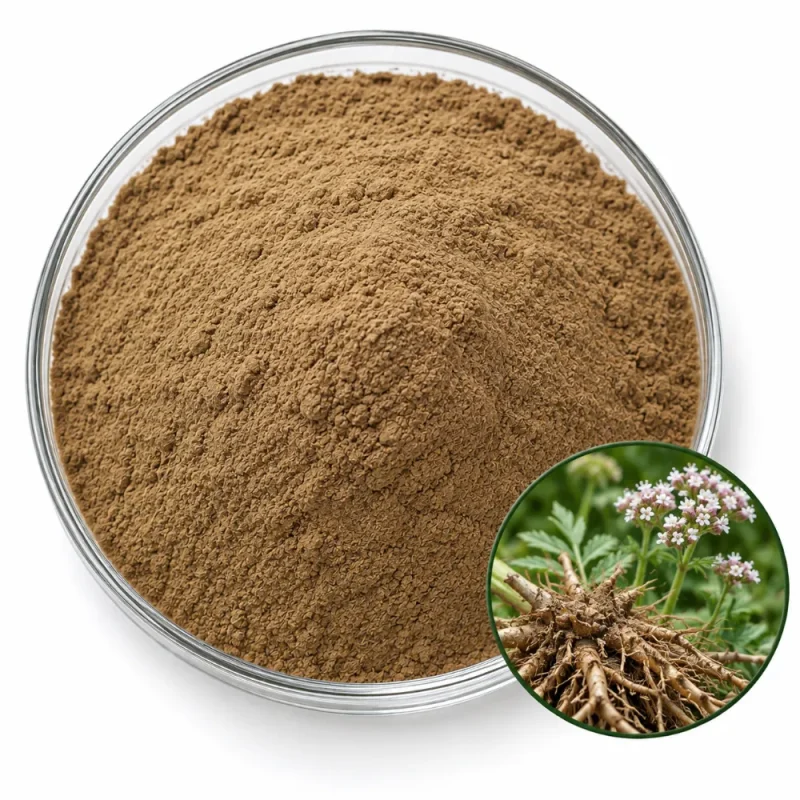
Color and texture reflect the root. The cut root is yellowish-brown outside and pale inside, with a fibrous, woody structure that mills to a light brown powder with visible fibers in the coarse grades.