Laminaria japonica Raw Material & Plant Part
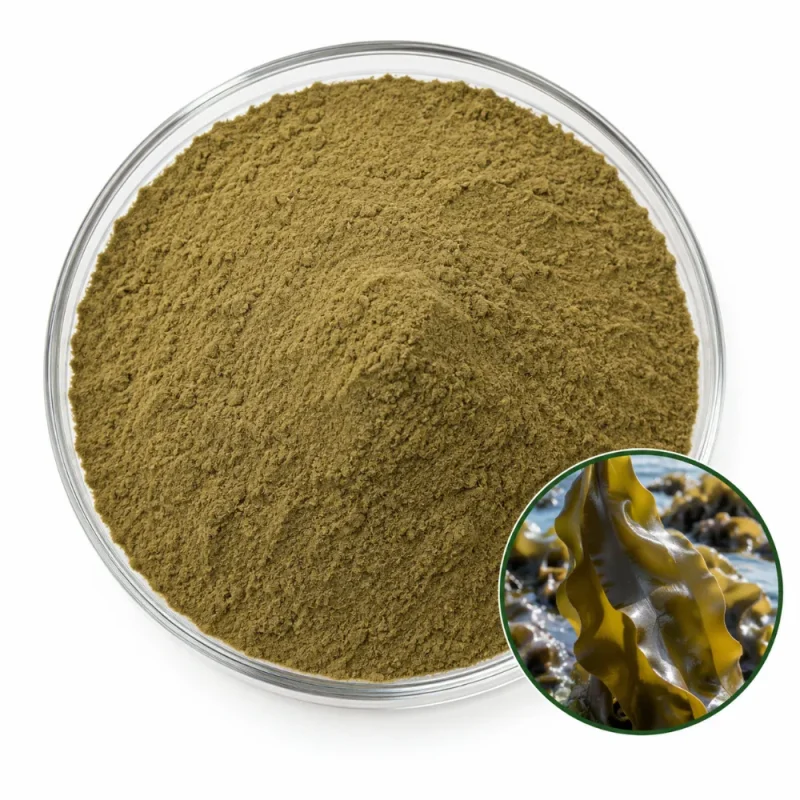
The botanical name is Laminaria japonica J.E.Areschoug, family Laminariaceae, known as kelp, kombu, haidai or Japanese kelp. The raw material is the dried thallus, meaning the broad flattened blade of the brown alga, which is harvested, washed, dried and milled. Seaweeds have no true roots, stems or leaves, so the term plant part is used here in the sense of thallus.
Taxonomic databases such as AlgaeBase now place this seaweed in the genus Saccharina, so labels may show Saccharina japonica, while other databases keep the older name. The product is the same either way. Kelp is also easy to confuse with other seaweeds: wakame comes from Undaria, rockweed from Fucus, and Ascophyllum is another brown alga from cold Atlantic waters. They differ in texture, flavor and composition.
Kelp is known for alginates, for the sulfated polysaccharide fucoidan, for laminarin, for the sugar alcohol mannitol and for a naturally high iodine content that varies widely with species, season and drying. Mannitol is partly responsible for the slightly sweet taste of the blade.
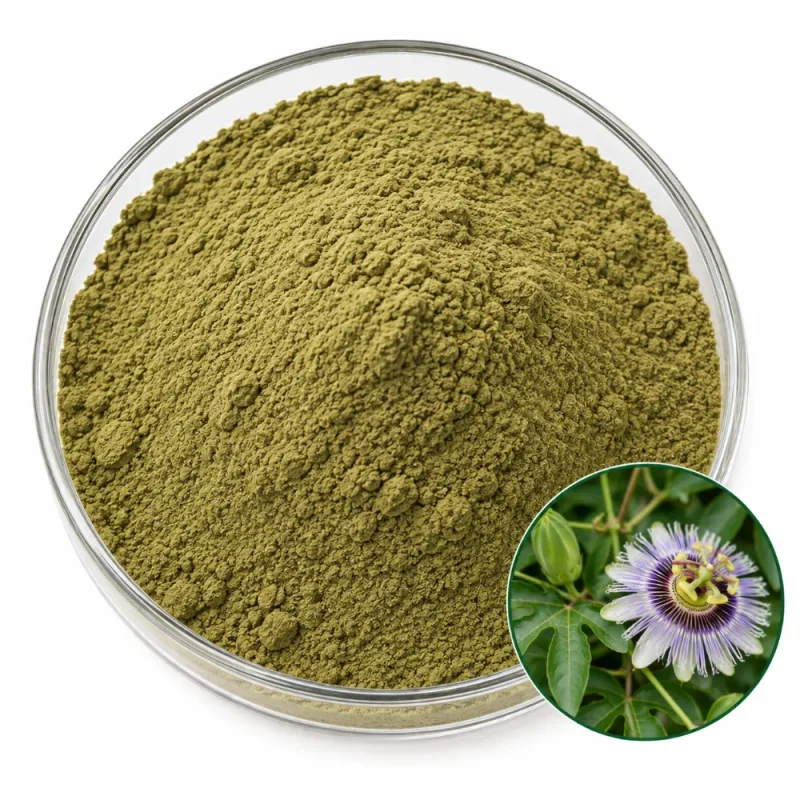
Harvest and drying set the color. Fresh kelp is brown, but it dries to an olive-green to dark brown, and the milled powder shows the olive-green of the dried blade, with darker shades from longer drying or storage.