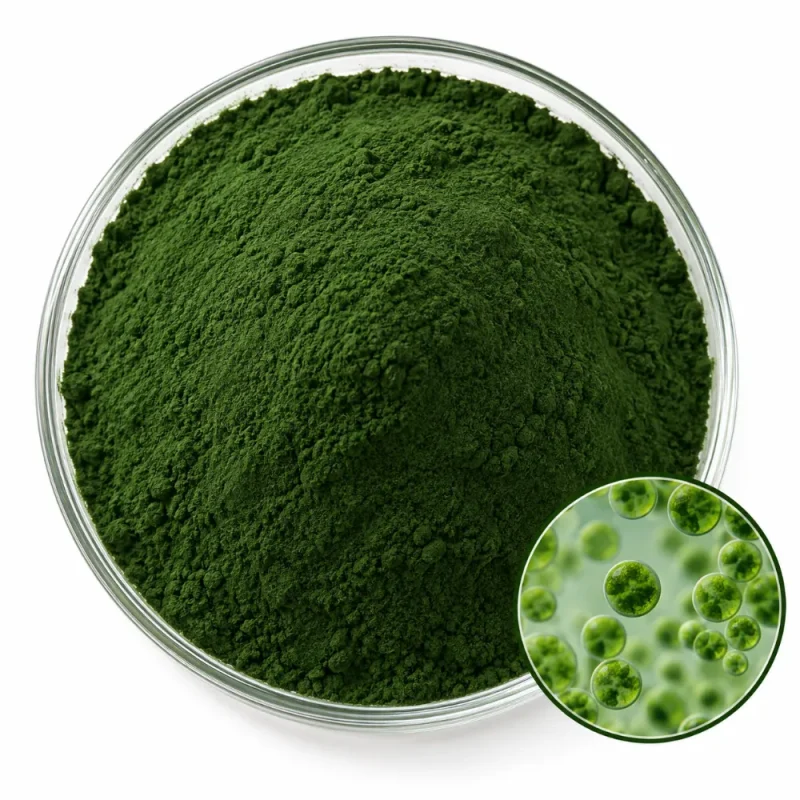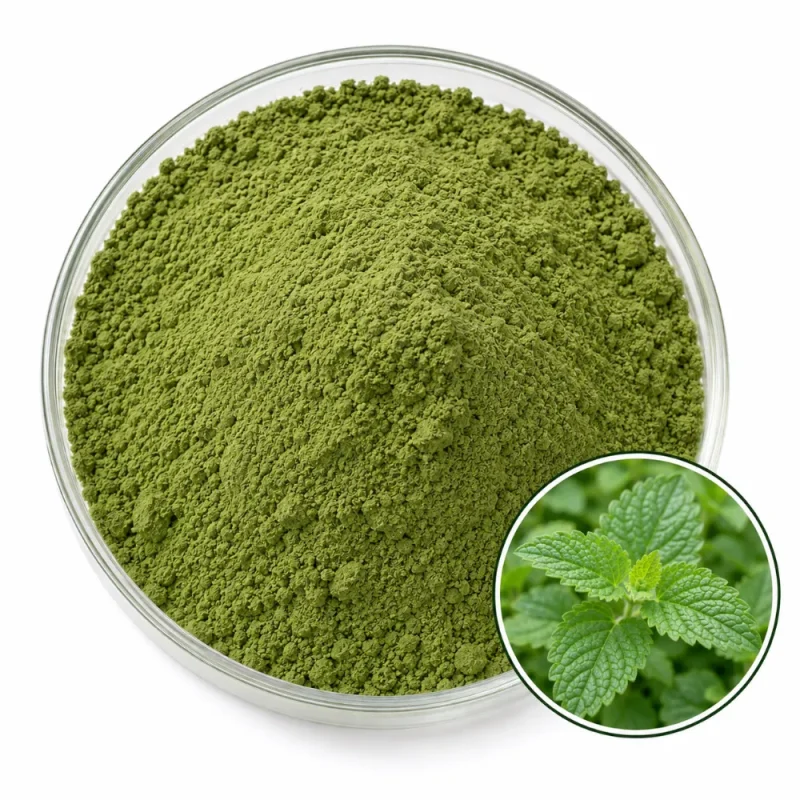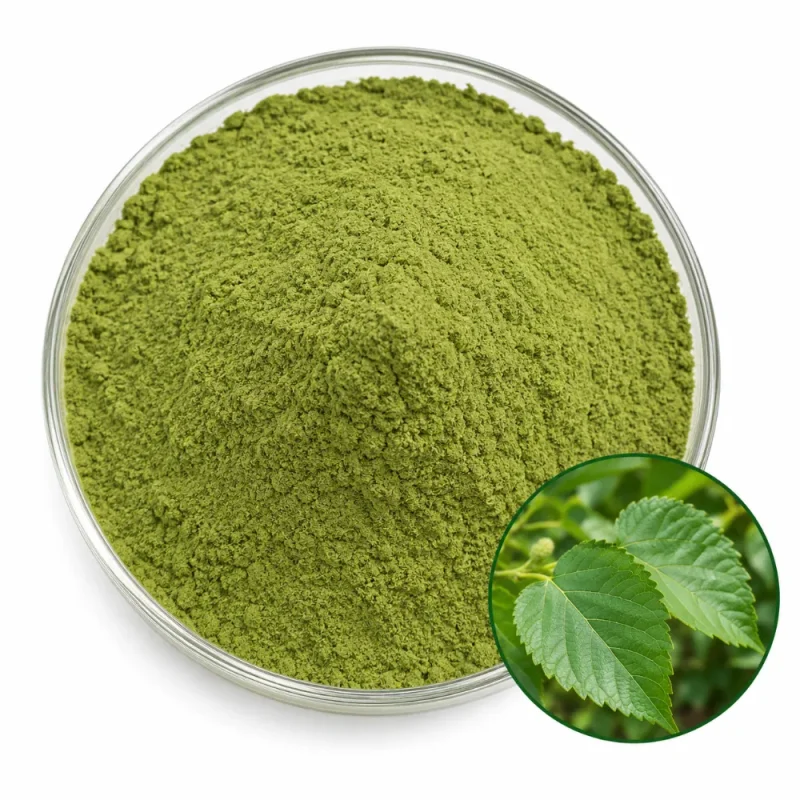
Mulberry Leaf Powder

Leaves of the white mulberry tree, Morus alba, are dried and milled into a fine green powder that keeps the fiber and the natural leaf constituents together. Only the leaf is used, so mulberry fruit, root bark and twigs stay out of the material.

Mulberry leaf powder is supplied at 80 mesh, with 40, 60 and 100 mesh optional, and has a mild grassy odor with a faintly sweet, slightly bitter taste. It is raw milled leaf rather than an extract, so inclusion rates are higher and the flavor is greener than in the extract forms.

Morus alba Raw Material & Plant Part

The botanical name is Morus alba L., family Moraceae, known as white mulberry. The raw material is the dried leaf, taken from the tree, dried and milled. Fruit, root bark, twigs and branches are different parts with different chemistry and are not included in this powder.

White mulberry is not the only mulberry. Morus nigra, the black mulberry, and Morus rubra, the red mulberry, are separate species with their own leaf and fruit traits, and the traditional Chinese name sang ye refers to the white mulberry leaf. Mulberry fruit and mulberry root bark are sold as other ingredients, so a specification that reads mulberry powder alone leaves the part open.

The leaf is broad, lobed or heart-shaped, with a serrated edge and a rough surface, and it dries to a dull green. Mulberry leaf is the traditional feed of the silkworm, so the plant is grown for its foliage in many regions. Characteristic constituents are the iminosugar 1-deoxynojirimycin, flavonoids and chlorogenic-type acids, named as traits of the plant and not as levels for this powder.

Harvest timing affects the leaf. Young spring leaves are tender and light green, while late-season leaves are tougher and darker, and growers separate them by age. The milled powder can therefore show some seasonal variation in shade and texture, which does not change the identity of the raw material.
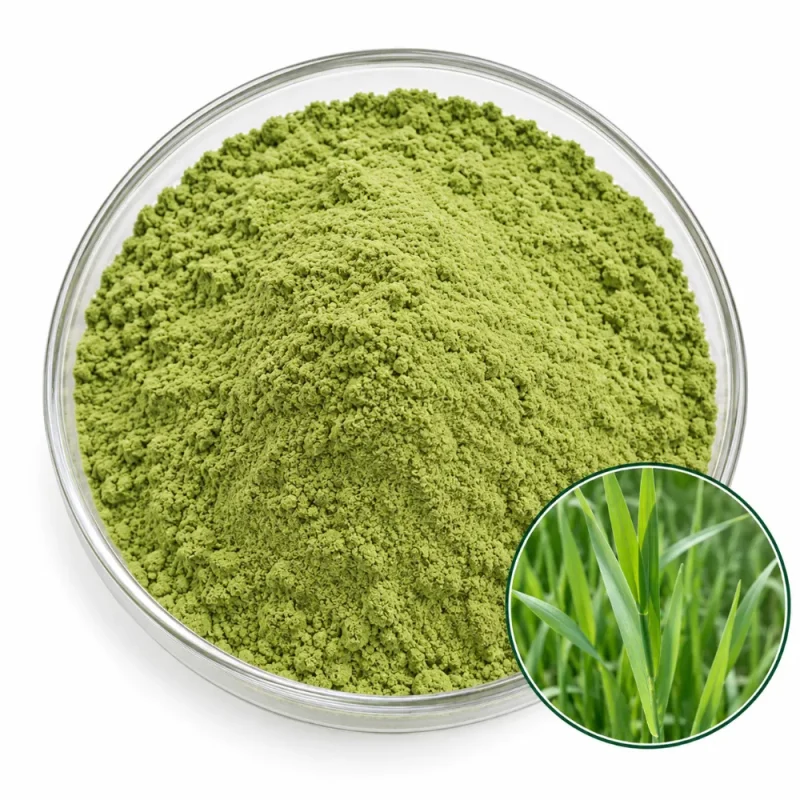
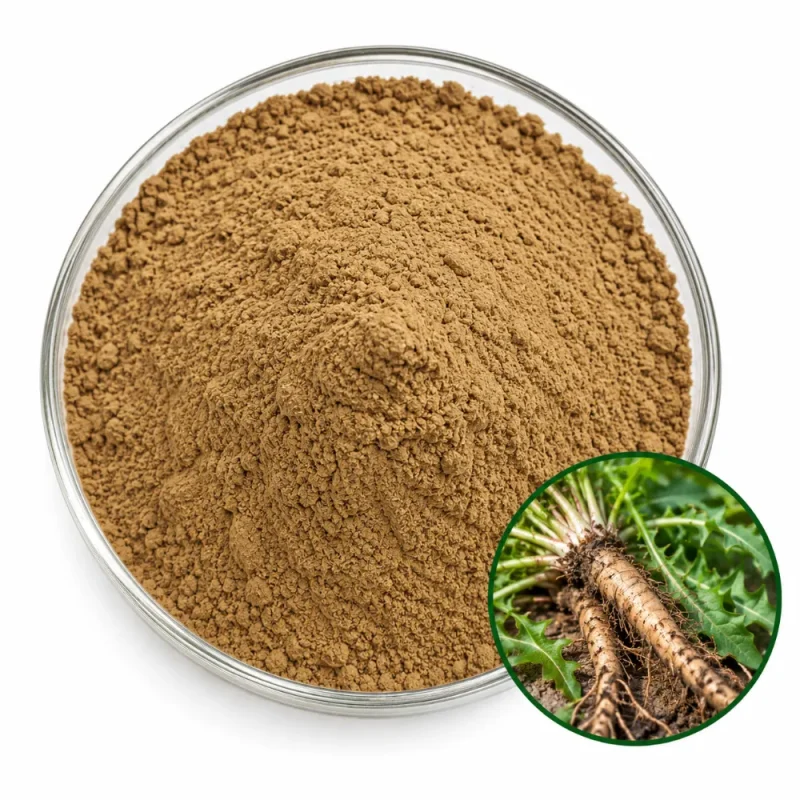
Mulberry Leaf Powder vs Extract

FormWhat It IsChoose It When
Mulberry Leaf PowderMilled dried leaf with its fiberWhole-leaf inclusion in teas and green blends
Mulberry Root Bark PowderMilled bark of the root, a different partThe bitter, woody root-bark material is wanted
Mulberry Leaf Extract PowderWater-extracted leaf with the fiber removedA soluble format at a lower inclusion rate
Mulberry Leaf Extract 1–5% DNJLeaf extract standardized to a DNJ rangeA defined DNJ content is required

The leaf powder keeps the fiber, chlorophyll and the full set of leaf constituents at their natural, lower concentration. Inclusion rates are therefore higher than for an extract, the flavor is green and grassy, and the powder only disperses in liquids.

The extract powder removes the insoluble fiber and dissolves more easily, and the standardized extract is the choice when a defined DNJ content is needed. Mulberry root bark powder is a separate raw material with a different color and a woody, bitter character, so it is no substitute for the leaf in a label or a specification.

Taste and appearance separate the forms in use. The leaf powder is mildly grassy and slightly bitter, while the extract powder is lighter and close to neutral. Teas and green blends use the leaf powder for its body, and soluble drink bases lean on the extract.

A practical difference also appears in blending. Leaf powder adds bulk and color to a dry mix, whereas the extract powder contributes soluble solids without adding volume, so the two forms are chosen for different jobs in the same recipe.

Typical Specifications

Specification ItemProduct Information
Latin NameMorus alba
Plant PartLeaf & Herb
ProcessingMilled
Common NameWhite mulberry, mulberry leaf, sang ye
Raw MaterialDried leaf
Ingredient TypeMilled Powder
Odor & TasteMild grassy odor; faintly sweet, slightly bitter taste
Particle Size80 mesh (40 / 60 / 100 mesh optional)
Solubility / DispersibilityWater Dispersible
Quality Parameters
Moisture (LOD)≤8.0%
Heavy MetalsLead ≤2 ppm · Arsenic ≤1 ppm · Cadmium ≤1 ppm · Mercury ≤0.1 ppm
MicrobiologyTPC ≤10,000 cfu/g · Yeast & Mold ≤1,000 cfu/g · E. coli Negative · Salmonella Negative/25 g
Shelf Life24 months in unopened original packaging, cool and dry storage

Application Areas

Green tea-style blends

Mulberry leaf powder is blended with green tea, mint or lemon balm for infusion mixes and tea bags. A 40 or 60 mesh grade stays inside the filter paper, while the fine grade clouds the cup, so the mesh follows the bag format.

Green leaf capsule fills

Capsules take the leaf powder as a bulky green fill, and its low density limits how much fits in a shell. A pilot fill shows the real weight per capsule, and a flow aid is tested if the powder bridges in the hopper.

Noodle and dough colorants

Pasta, noodles and baked goods use the powder for a mild green tint and leaf flavor. Heat and alkaline doughs dull the green toward olive, so the inclusion rate is set after a baking or boiling trial.

Drink powder bases

Powder sticks and shake bases carry mulberry leaf powder with fruit or grain powders. The fiber settles in water, so the format suits shaken drinks and smoothies and not clear beverages. Sweet fruit powders soften the leaf bitterness in the mix.

Handling & Blending Notes

Mulberry leaf powder is light and fluffy, with a low bulk density that makes it dust at open scoops and hoppers. Covered transfer, local extraction and gentle scooping keep the green dust off equipment. The leaf fiber takes up water from humid air, so open bags form lumps that need to be screened out before blending.

Mesh changes how the powder behaves. The 80 mesh grade fits capsules and most dry blends. The coarser 40 and 60 mesh grades stay on a tea-bag filter, and the 100 mesh grade suspends more evenly in a shaken drink, though it flows less freely and packs tighter.

The grassy note is gentle and is usually covered with citrus, mint or sweet fruit powders in drink bases. Chlorophyll fades under light, heat and acid, which is why mulberry leaf powder is kept in opaque packs, away from sunlight, and tested at the pH of the finished product. Opened packs are reclosed promptly because a raw leaf powder takes up odors from neighboring materials.

For storage, the dry leaf powder is stable in sealed barrier packs, but a few days of open exposure dulls both the aroma and the green tone. Dispensing in small lots, reclosing between draws and noting the opening date are simple ways to keep a lot in good condition.

Packaging & Commercial Supply

Essencefield supports product evaluation, formulation trials, commercial orders, and ongoing ingredient supply. Packaging, storage, and shipping arrangements are determined by product characteristics, order quantity, stability requirements, and destination-market needs.

Supply ItemGeneral Information
SampleAvailable upon request for formulation, testing, and supplier evaluation
Order Quantities100 g · 1 kg · 5 kg · 25 kg · 100 kg · 500 kg · Bulk
Sample Lead TimeTypically 5–7 days after sample confirmation
Production Lead TimeTypically 15–30 days after order and specification confirmation
PackagingSuitable protective inner packaging with bags, cartons, drums, or other appropriate outer packaging
StorageStore in tightly sealed, suitable protective packaging in a cool, dry environment. Protect from moisture, heat, and direct sunlight. Specific storage conditions follow the approved product specification.
DocumentationCOA · Product Specification · TDS · SDS · Applicable declarations (as applicable)

Final order quantities, lead times, packaging, documentation, and shipping arrangements are confirmed according to the selected product and commercial requirements.

Request Ingredient Specifications & Quote

Share your target specification, application, quantity, and documentation needs. We’ll help confirm suitable options, samples, and commercial supply details.