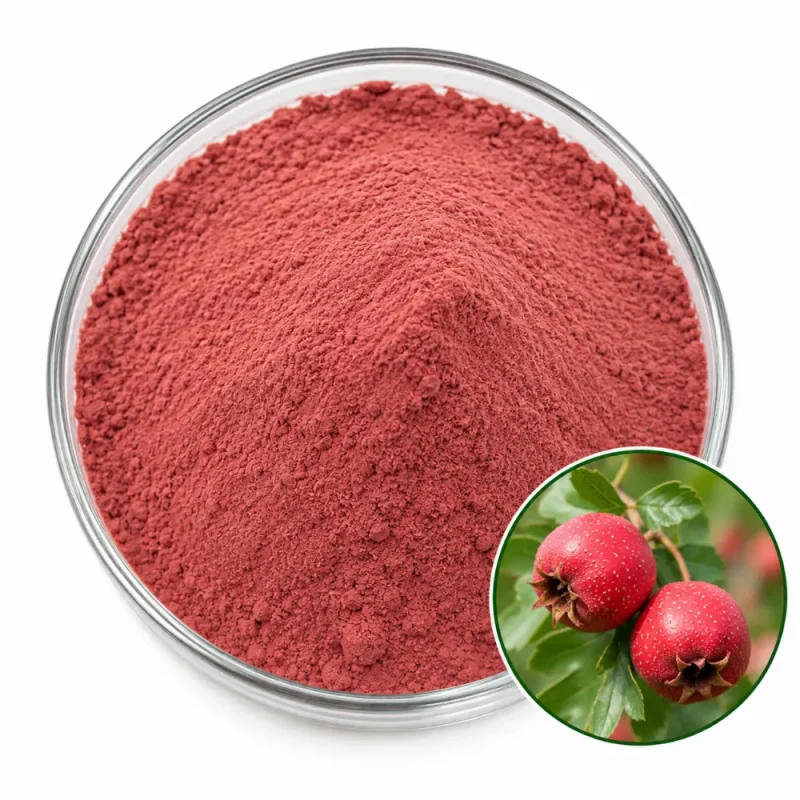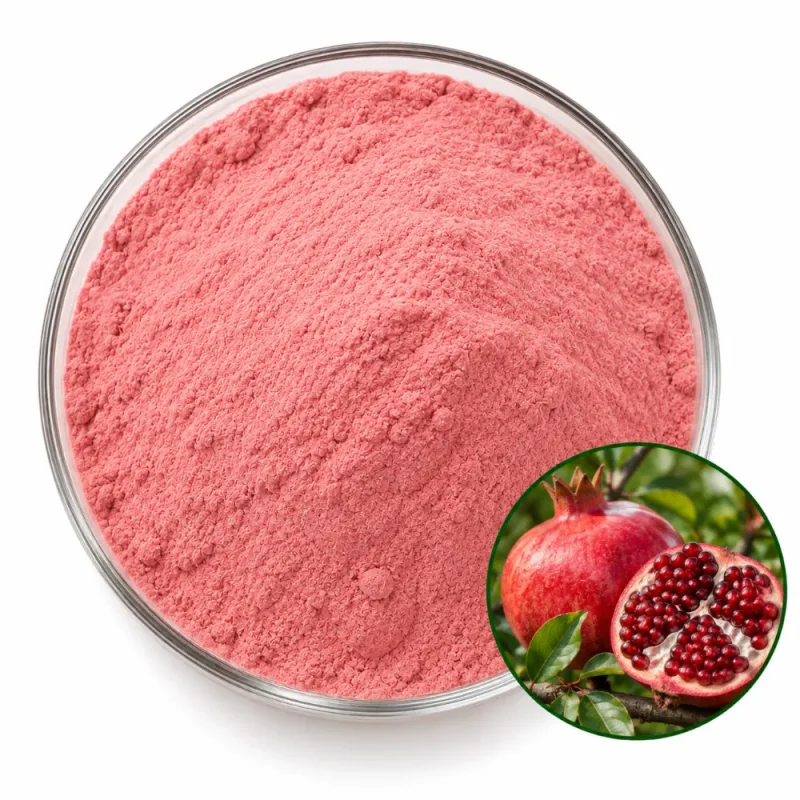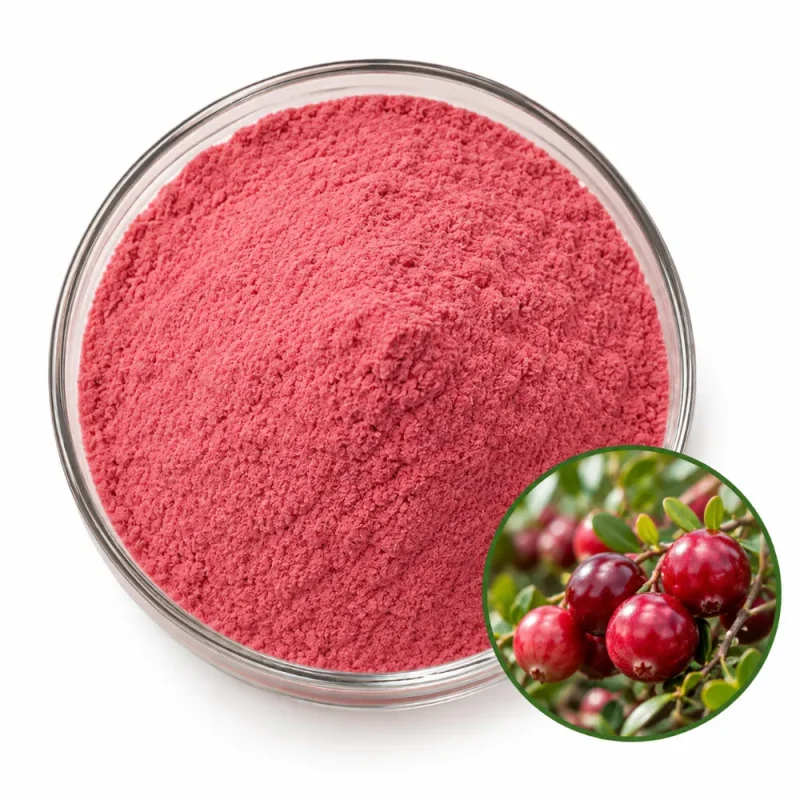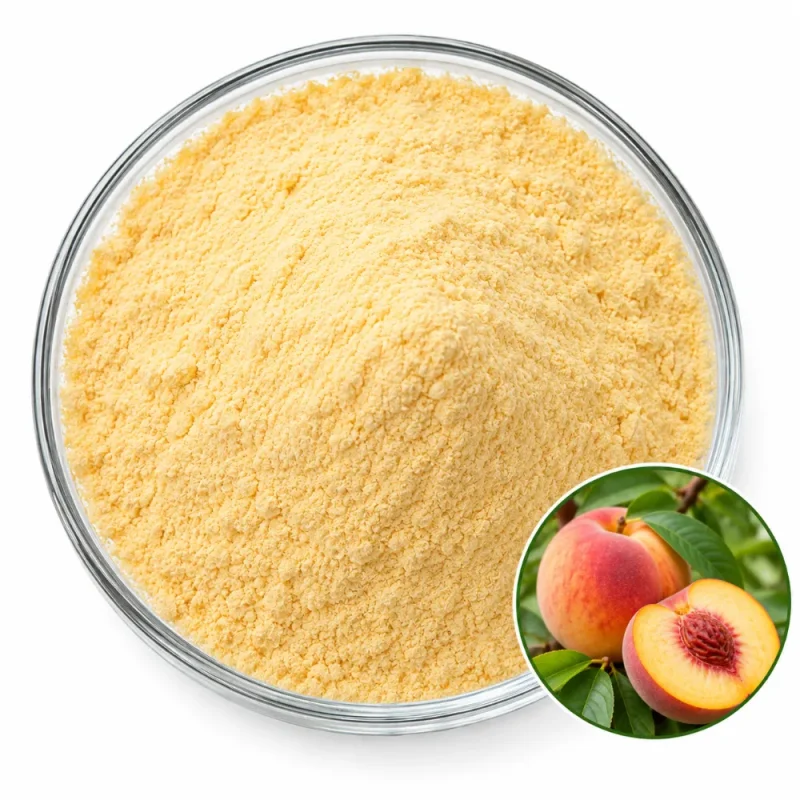
Strawberry Powder

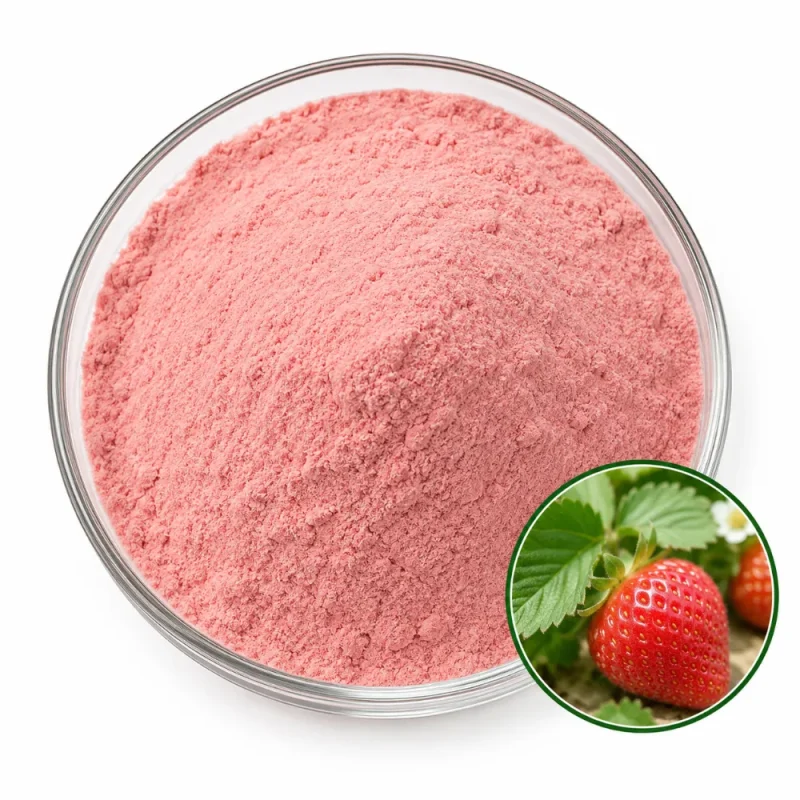
Strawberry powder is spray-dried from the pressed juice of garden strawberries, Fragaria × ananassa, on a maltodextrin carrier. It is a pink, water-soluble powder with a sweet, fragrant taste that reads clearly as strawberry. The calyx, leaves and the seeds on the fruit surface are not part of the juice.

Strawberry is among the most aroma-driven fruits, and its color is more delicate than that of dark berries. The powder is chosen for the sweet fruit nose first and for a soft pink tint second.

Strawberry Juice Powder Processing

The botanical entity is Fragaria × ananassa (Weston) Rozier, the garden strawberry, a hybrid of two American species, Fragaria virginiana and Fragaria chiloensis, that arose in European gardens in the 1700s. Wild strawberry, Fragaria vesca, is a smaller, more aromatic species of Europe. Supplier pages sometimes label garden strawberry with the name of one of its parents, and the hybrid name used here follows the master data.

The raw material is strawberry juice concentrate. Ripe berries are crushed and pressed, the juice is concentrated by evaporation, and the concentrate is blended with maltodextrin before atomization in a spray dryer. The carrier gives the powder its solubility and flow and mellows the sharpness of the juice.

Strawberries are soft, perishable and highly seasonal, so juice is usually pressed from fruit that has been frozen soon after picking. Fruit that ripens fully on the plant gives the strongest sweetness and aroma, and the concentrate used here comes from ripe fruit with the calyx removed.

Strawberry season is short in any region, and the berries are picked ripe because they do not sweeten after harvest. Fruit is chilled or frozen within hours. Because varieties differ in sweetness, acid and color, the concentrate is a blend, and the powder is described by its flavor profile, not by a named cultivar.
Strawberry Flavor, Color & Forms

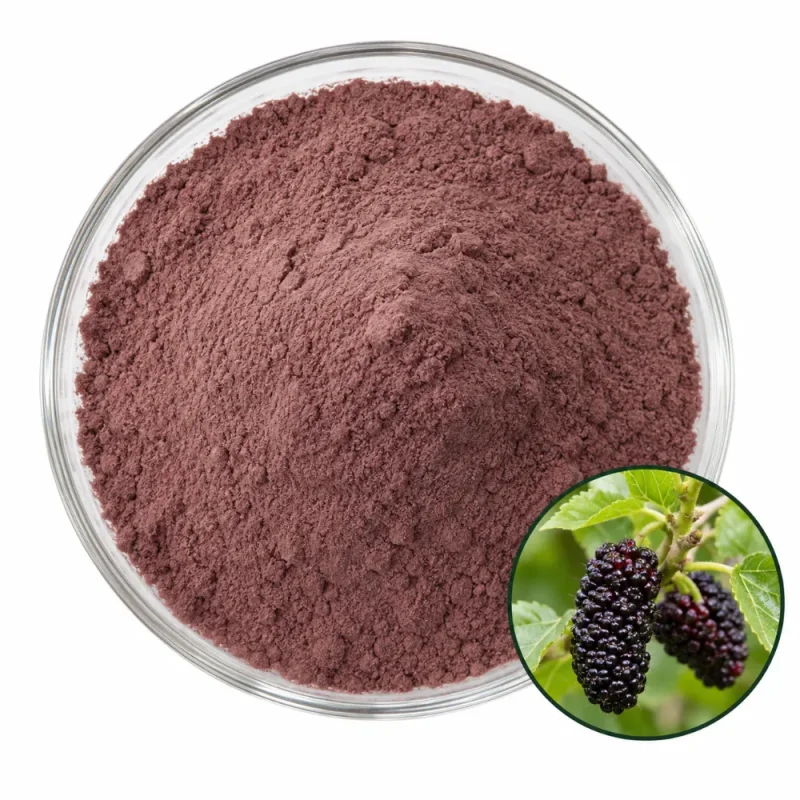
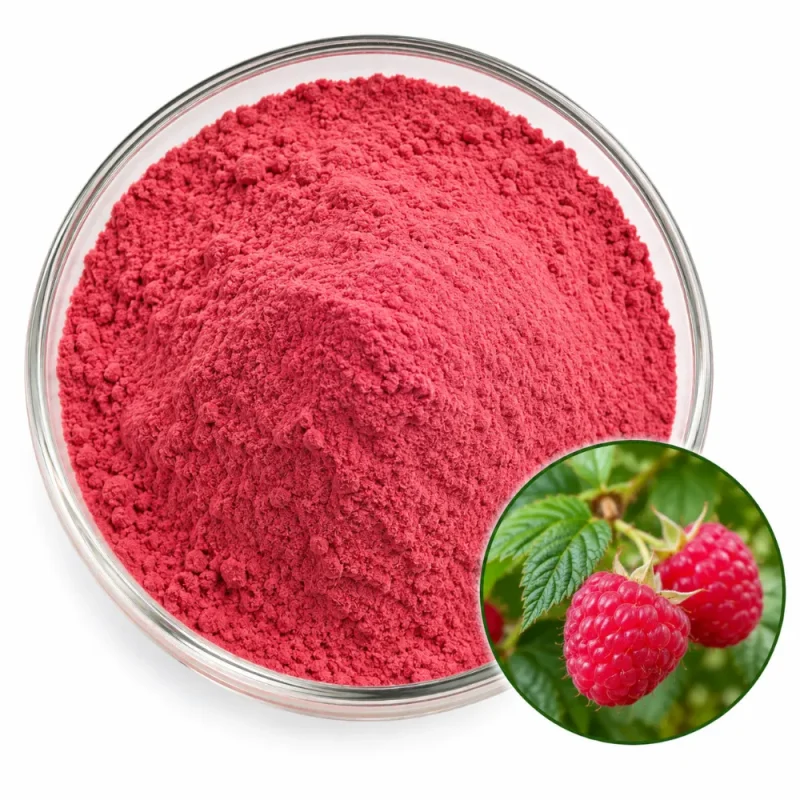
The powder is pink, a lighter and warmer tone than the red of raspberry or the purple of mulberry. The main pigment is pelargonidin glycoside, an orange-red anthocyanin that is less stable than the cyanidin pigments of other berries. In water the powder gives a soft pink to coral solution that shifts with pH.

The taste is sweet and fruity, with a creamy, caramel-like undertone from furanone compounds that are central to strawberry aroma, plus esters that give the fresh note. Characteristic constituents are fructose, glucose and sucrose, citric and malic acids, ellagic acid and ellagitannins, and pelargonidin glycosides. No figure is given for any of them.

FormWhat It IsChoose It When
Strawberry Juice PowderSpray-dried juice on a maltodextrin carrierA soluble, sweet strawberry base is wanted
Freeze-Dried Strawberry PowderWhole berries dried under vacuumSeeds, fiber and full fruit solids are wanted
Strawberry Extract PowderRatio extract of the fruitA concentrated extract is specified

Typical Specifications

Specification ItemProduct Information
Latin NameFragaria × ananassa
Plant PartFruit & Berry
ProcessingSpray-Dried Juice
Common NameStrawberry
Raw MaterialStrawberry juice concentrate
Ingredient TypeJuice Powder
CarrierMaltodextrin
AppearancePink powder
FlavorSweet, fragrant, creamy-fruity
Solubility / DispersibilityWater Soluble
Quality Parameters
Moisture (LOD)≤5.0%
Heavy MetalsLead ≤2 ppm · Arsenic ≤1 ppm · Cadmium ≤1 ppm · Mercury ≤0.1 ppm
MicrobiologyTPC ≤10,000 cfu/g · Yeast & Mold ≤1,000 cfu/g · E. coli Negative · Salmonella Negative/25 g
Shelf Life24 months in unopened original packaging, cool and dry storage

Application Areas

Milkshake and Dairy Drink Powders

Milkshake mixes and dairy drink powders use strawberry powder for the familiar pink color and sweet flavor. It dissolves into cold milk without lumps, and the pigment holds well at the near-neutral pH of milk, where a more acid-sensitive pigment would fade.

Cereal and Granola Coatings

Cereal makers use strawberry powder in coating syrups and dusts for pink color and fruit flavor. The pelargonidin pigment fades under high heat, so the powder is applied after toasting where possible, and the aroma is added late to survive.

Ice Cream and Frozen Dessert Bases

Frozen dessert bases take strawberry powder to build fruit flavor and a soft pink tint without puree. The sugars lower the freezing point, so the base needs balancing, and the color remains stable in frozen storage. Cold mutes aroma, so frozen strawberry products usually need a higher inclusion than drinks.

Gummies and Marshmallow Confectionery

Gummies, marshmallows and soft chews use strawberry powder for pink color and aroma. Added after the cook, it preserves the delicate furanone note, and the sugars of the powder count toward the confection’s total sugar balance. A small addition of citric acid sharpens the flavor.

Yogurt and Bakery Fillings

Dry fruit preps for yogurt and bakery fillings use strawberry powder to boost fruit flavor where whole pieces would weep. In baked fillings some color is lost in the oven, so bakers use it in cooled fillings or glazes.

Moisture Pickup & Stability

Strawberry powder is a sugar-rich amorphous glass and a fast absorber of moisture. In humid air the surface turns sticky, then clumps and finally cakes into a pink mass that clings to the container wall. Weigh it in a dry room and close the liner after every draw to keep the powder loose.

The pigment and aroma both age. Pelargonidin color fades faster than cyanidin-based pigments, and the pink moves toward orange-brown with warm storage and light. The volatile furanone and ester notes are lost with warmth and air, leaving a plain sweet taste. Cool, dark, sealed storage and short open times protect both qualities.

Formula interactions matter for the color. Alkaline salts turn the pink toward blue-grey, iron darkens it, and strong heat in baking bleaches it. Test the shade in the finished matrix, and add the powder late in processing, after heat steps, when the process allows.

Strawberry powder suits short shelf lives better than long ones. For a product with a long storage plan, test a stored sample alongside a fresh one to see the loss of aroma and the fade of pink. Set the inclusion level for the aged state if the flavor must stay recognizable at the end of shelf life.

Packaging & Commercial Supply

Essencefield supports product evaluation, formulation trials, commercial orders, and ongoing ingredient supply. Packaging, storage, and shipping arrangements are determined by product characteristics, order quantity, stability requirements, and destination-market needs.

Supply ItemGeneral Information
SampleAvailable upon request for formulation, testing, and supplier evaluation
Order Quantities100 g · 1 kg · 5 kg · 25 kg · 100 kg · 500 kg · Bulk
Sample Lead TimeTypically 5–7 days after sample confirmation
Production Lead TimeTypically 15–30 days after order and specification confirmation
PackagingSuitable protective inner packaging with bags, cartons, drums, or other appropriate outer packaging
StorageStore in tightly sealed, suitable protective packaging in a cool, dry environment. Protect from moisture, heat, and direct sunlight. Specific storage conditions follow the approved product specification.
DocumentationCOA · Product Specification · TDS · SDS · Applicable declarations (as applicable)

Final order quantities, lead times, packaging, documentation, and shipping arrangements are confirmed according to the selected product and commercial requirements.

Request Ingredient Specifications & Quote

Share your target specification, application, quantity, and documentation needs. We’ll help confirm suitable options, samples, and commercial supply details.