Yerba Mate Leaf Powder

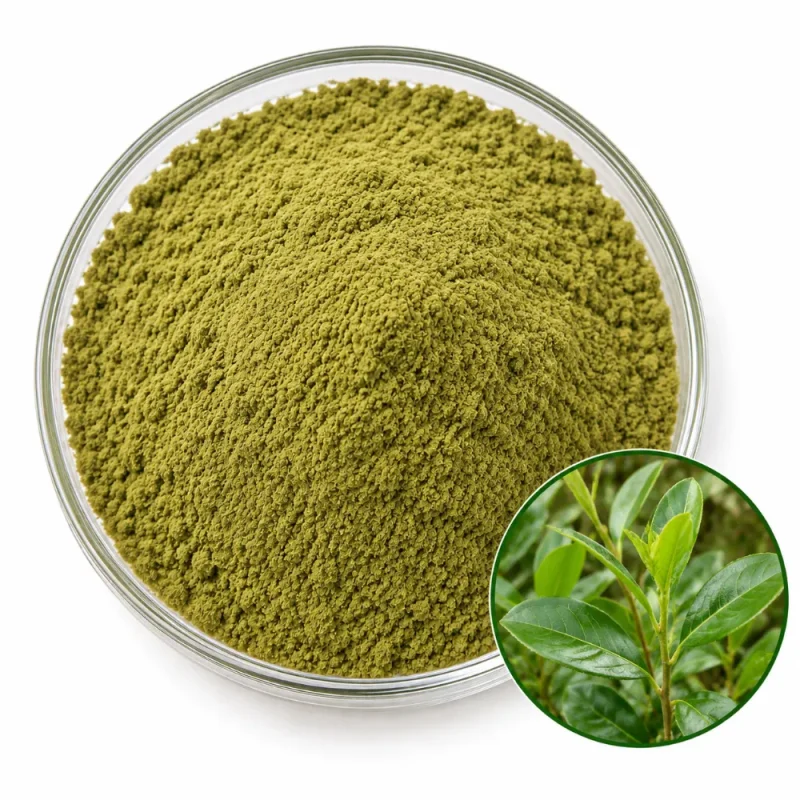
Yerba mate, the evergreen holly Ilex paraguariensis from the subtropical forests of South America, supplies the dried leaf that is milled into this green powder with a grassy, slightly smoky aroma and a bitter, astringent taste. Only the leaf is specified, so the fruit, flower and woody branches of the tree are not part of the material.

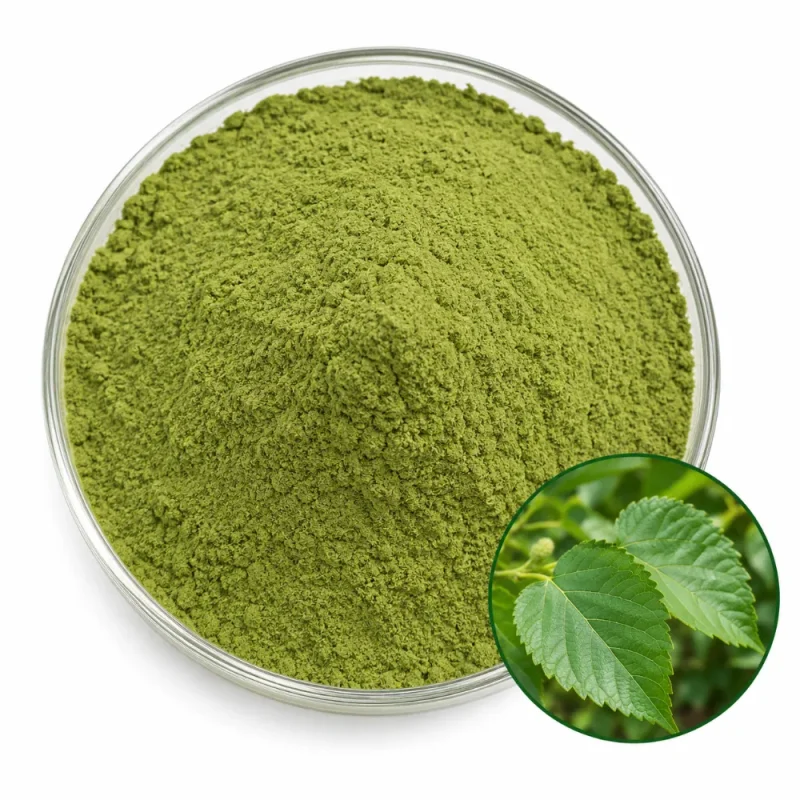
Yerba mate leaf powder is supplied at 80 mesh, with 40, 60 and 100 mesh optional, and has a green, herbal and faintly smoky odor with a bitter, grassy taste. It is raw milled leaf rather than an extract, so inclusion rates are higher and the leaf character is stronger than in the extract form.

Ilex paraguariensis Raw Material & Plant Part

The botanical name is Ilex paraguariensis A.St.-Hil., family Aquifoliaceae, known as yerba mate, mate or Paraguay tea. The raw material is the dried leaf of the evergreen tree, which is harvested, dried and milled. Mate leaves are traditionally prepared as an infusion in a gourd with a metal straw, and the milled leaf is the same material in a finer form.

Several other hollies are confused with it. Ilex guayusa, the guayusa tree of the Amazon, and Ilex vomitoria, the yaupon holly of North America, are close relatives with their own leaf chemistry. Mate-like drinks from those plants are different ingredients. In addition, the name mate is sometimes used loosely for other leaf teas, which is why the species name and the part are stated together.

Mate leaf is known for methylxanthine alkaloids such as caffeine and theobromine, for chlorogenic acids, for saponins and for polyphenols. Traditional processing dries the leaf quickly over heat, and some lots are aged afterwards, which gives green mate its slightly smoky, hay-like note.

Because the leaf is leathery and thick, it mills into a coarse, fibrous powder, and a fine grade needs a longer milling step than a tender herb leaf does.

Yerba mate leaf is harvested from pruned trees at intervals of one to two years, and the cut branches are passed quickly over heat to stop enzymatic browning. This first heat step fixes the green color, and it is the reason that yerba mate keeps a green tone in the powder.
Yerba Mate Leaf Powder vs Extract

FormWhat It IsChoose It When
Yerba Mate Leaf PowderMilled dried leaf with its fiberWhole-leaf flavor and color in dry blends
Yerba Mate Extract PowderWater-extracted leaf with the fiber removedA soluble format at a lower inclusion rate
Yerba Mate Extract 8–20% CaffeineLeaf extract standardized to a caffeine rangeA defined methylxanthine content is required

The leaf powder keeps the fiber, the chlorophyll and the full set of leaf constituents at their natural, lower concentration. Inclusion rates are higher than for an extract, the flavor is bitter and grassy, and the powder only disperses in liquids, leaving a green, cloudy suspension.

The extract powder is brown, dissolves cleanly and has a restrained flavor, while the standardized extract is built around a defined caffeine range and is dosed accordingly. Choose yerba mate leaf powder when the whole leaf, its color and its flavor are the specification, for example in dry blends, doughs and tea-style mixes.

A practical difference is texture in the mouth. Leaf powder in a drink gives a green, slightly gritty body, and the extract gives a smooth, dark liquid, so drink makers who need clarity use the extract.

Yerba mate powder suits recipes that need the green color and the herbal, smoky flavor of the whole leaf. Yerba mate extract powder is easier to dissolve and is dosed by weight, while yerba mate leaf powder brings fiber and body to dry blends.

Typical Specifications

Specification ItemProduct Information
Latin NameIlex paraguariensis
Plant PartLeaf & Herb
ProcessingMilled
Common NameYerba mate, mate, Paraguay tea
Raw MaterialDried leaf
Ingredient TypeMilled Powder
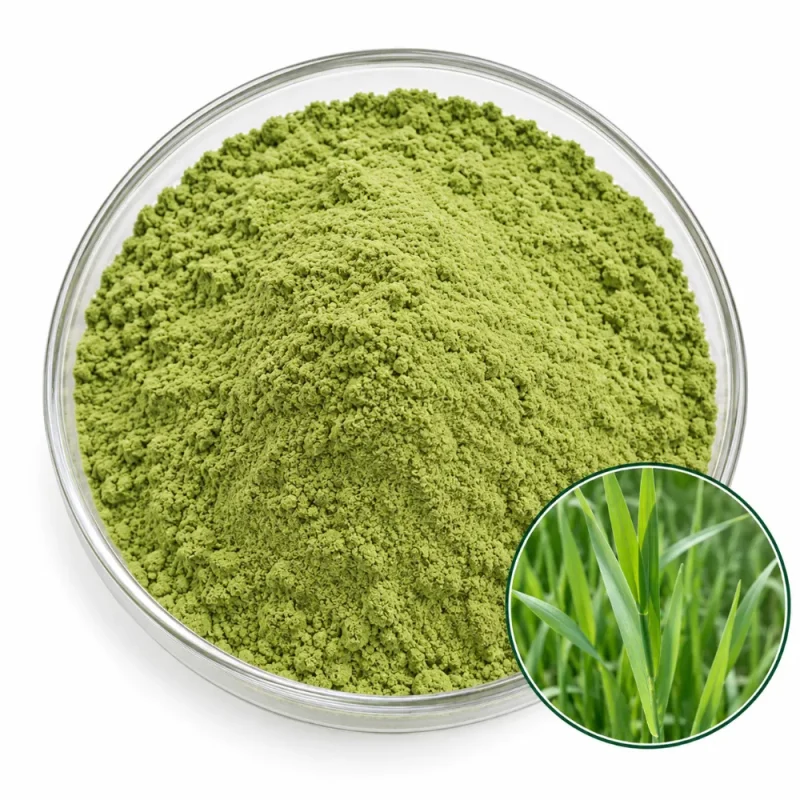
AppearanceGreen powder (natural color of the dried material)
Odor & TasteGreen, herbal, faintly smoky odor; bitter, grassy taste
Solubility / DispersibilityWater Dispersible
Quality Parameters
Moisture (LOD)≤8.0%
Particle Size80 mesh (40 / 60 / 100 mesh optional)
Heavy MetalsLead ≤2 ppm · Arsenic ≤1 ppm · Cadmium ≤1 ppm · Mercury ≤0.1 ppm
MicrobiologyTPC ≤10,000 cfu/g · Yeast & Mold ≤1,000 cfu/g · E. coli Negative · Salmonella Negative/25 g
Shelf Life24 months in unopened original packaging, cool and dry storage

Application Areas

Tea-style mate blends

Yerba mate leaf powder is the base of loose and bagged mate blends with mint, citrus peel or hibiscus. A coarse 40 or 60 mesh grade stays in the bag and gives a clear green-gold infusion, while a fine grade passes through the filter and clouds the cup.

Dry beverage and shake mixes

Powder sticks and shake bases use the powder for a green color and a grassy, bitter note with fruit and vanilla. The leaf fiber settles, and the mix is shaken or stirred before drinking, with sweeteners balancing the astringency.

Bakery and snack doughs

Crackers, biscuits and snack doughs take the powder for a deep green tint and a smoky-herbal background. Heat shifts the green toward olive-brown, and the bitter edge limits the inclusion rate, so a baking trial confirms the level.

Capsule and tablet fills

Fills use the powder as a bulky, fibrous green material with moderate flow. Caffeine-containing materials are labeled according to local rules, and a pilot fill shows the real weight per shell before the formula is fixed.

Handling & Blending Notes

Yerba mate leaf powder is coarse and stringy, with a fibrous character that clogs fine screens and bridges in narrow hoppers. Wide outlets, gentle vibration and coarse screens improve flow, and fine fractions dust at open scoops and cling to surfaces through static charge. Covered transfer and local extraction keep the dust under control.

The leaf takes up moisture from the air. Open packs cake in humid rooms, and the polyphenols brown in damp storage, so barrier bags, dry rooms and quick resealing keep the powder in good condition. A deep, even green points to careful drying, whereas a pale, yellow-brown tone points to heat, light or age.

Aroma and flavor are sensitive to storage. The smoky note fades with air and warmth, and the polyphenols darken in contact with iron and with alkaline liquids, so stainless steel and trials at the finished pH are used for liquid formats. Infusion bags take 40 or 60 mesh, while capsules and dry blends run on 80 mesh. Opened containers are resealed at once.

Yerba mate leaf powder is stored in sealed, opaque packs at a cool temperature, since light and warmth fade the green tone and flatten the smoky note. Opened yerba mate packs are used within a few weeks and kept away from damp rooms.

Packaging & Commercial Supply

Essencefield supports product evaluation, formulation trials, commercial orders, and ongoing ingredient supply. Packaging, storage, and shipping arrangements are determined by product characteristics, order quantity, stability requirements, and destination-market needs.

Supply ItemGeneral Information
SampleAvailable upon request for formulation, testing, and supplier evaluation
Order Quantities100 g · 1 kg · 5 kg · 25 kg · 100 kg · 500 kg · Bulk
Sample Lead TimeTypically 5–7 days after sample confirmation
Production Lead TimeTypically 15–30 days after order and specification confirmation
PackagingSuitable protective inner packaging with bags, cartons, drums, or other appropriate outer packaging
StorageStore in tightly sealed, suitable protective packaging in a cool, dry environment. Protect from moisture, heat, and direct sunlight. Specific storage conditions follow the approved product specification.
DocumentationCOA · Product Specification · TDS · SDS · Applicable declarations (as applicable)

Final order quantities, lead times, packaging, documentation, and shipping arrangements are confirmed according to the selected product and commercial requirements.

Request Ingredient Specifications & Quote

Share your target specification, application, quantity, and documentation needs. We’ll help confirm suitable options, samples, and commercial supply details.