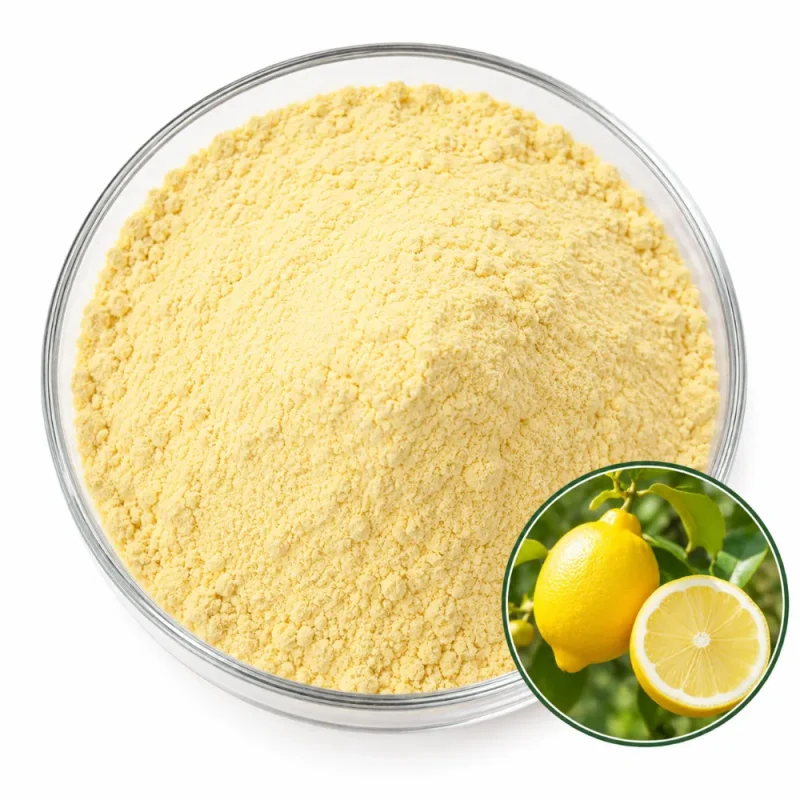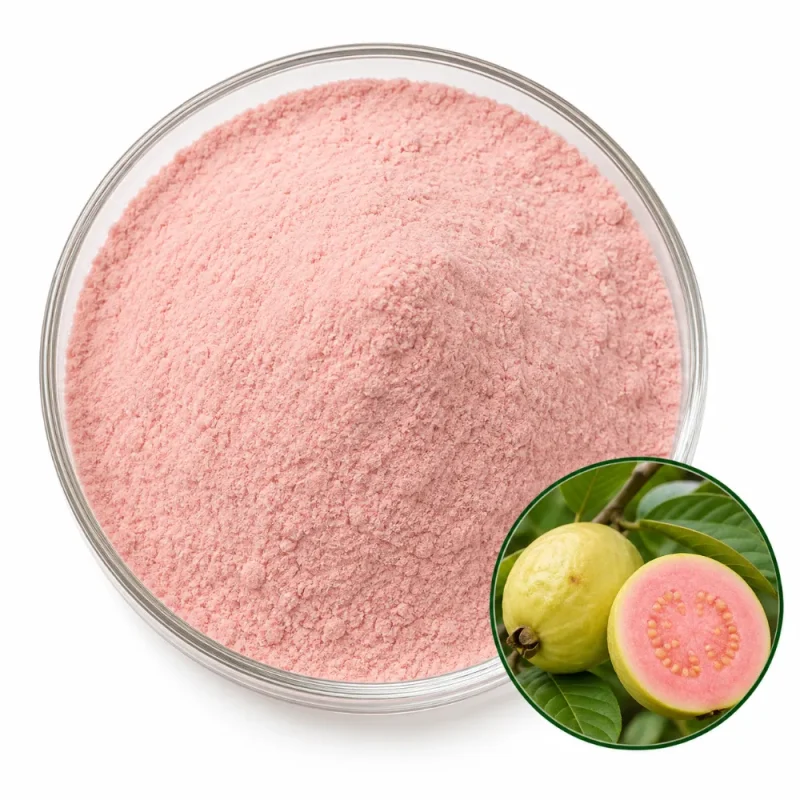
Grapefruit Juice Powder Processing
The botanical entity is Citrus × paradisi Macfad., a hybrid between pomelo, Citrus maxima, and sweet orange, Citrus × sinensis, that arose in the Caribbean in the 1700s. It is not the pomelo itself, which is larger, thicker-skinned and less bitter, and it is not grapefruit seed extract, a different material sold as a preservative. The part used is the juice vesicles of the fruit.
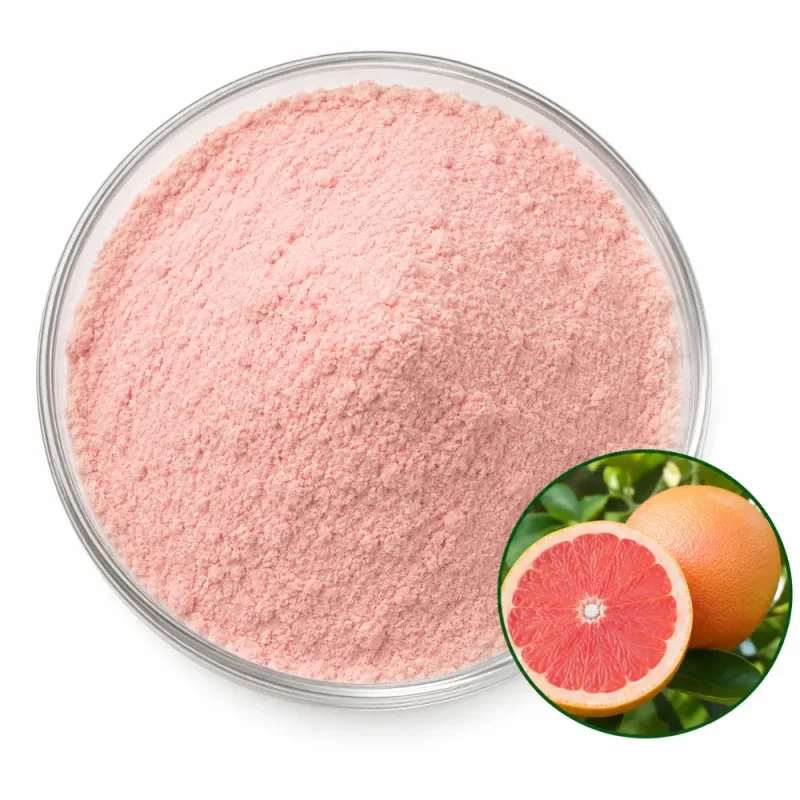
The raw material is grapefruit juice concentrate. Juice is pressed or extracted from the fruit, concentrated by evaporation, blended with maltodextrin and atomized in a spray dryer. The carrier makes the powder soluble and flowing, and it rounds off the bitterness slightly compared with fresh juice.
Citrus juice powders are acidic, and the acid shapes the process. Citric acid is the dominant acid in grapefruit, and acidic, sugar-rich solids are among the stickiest in a spray dryer, so citrus powders usually need more carrier than juices from low-acid fruit. This is a general feature of citrus drying, not a value stated for this product.
Seasonal factors matter. Grapefruit picked early is sourer and lower in sugar, while fruit left to hang longer becomes sweeter and less bitter, so a juice concentrate often blends fruit from different pickings to hold a steady balance. The taste of the powder reflects that blend, not a single harvest.