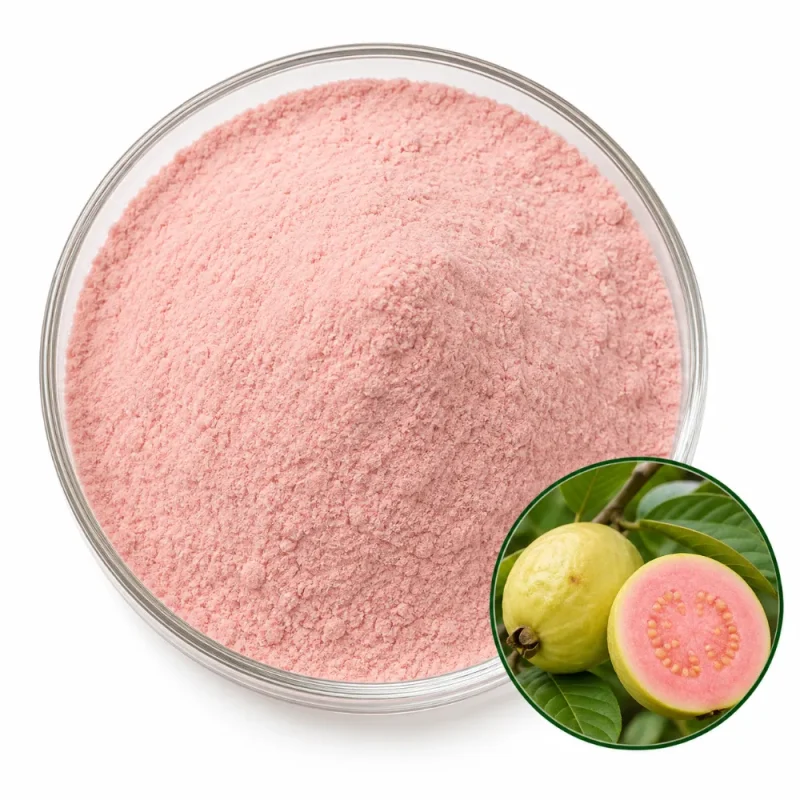
Guava Powder

Guava powder is spray-dried from the pressed pulp juice of Psidium guajava fruit on a maltodextrin carrier. It is a light yellow, water-soluble powder with a musky, sweet tropical aroma that is instantly recognizable in drinks. Leaves, bark and seeds of the guava tree are separate materials and are not used.

The fruit is rich in pectin and has a distinct aroma from esters and sulfur-containing volatiles, so the powder carries more flavor character than most pale fruit powders and a slightly thicker body in solution.

Guava Juice Powder Processing

The species is Psidium guajava L., the common guava, a small tree of the myrtle family (Myrtaceae) native to tropical America and grown across the tropics. Strawberry guava, Psidium cattleyanum, is a different species with smaller red fruit, and pineapple guava or feijoa, Acca sellowiana, is a different genus altogether. The part used is the ripe fruit; guava leaf is a separate and widely traded botanical.

Guava flesh is dense with hard seeds, so the raw material is a juice concentrate made from strained pulp. Seeds and coarse fiber are removed, the pulp juice is concentrated, and maltodextrin is added as the carrier before atomization in a spray dryer. The carrier produces a soluble, free-flowing powder and lightens the color of the pulp.

Guava trees fruit repeatedly through the year in warm climates, and the fruit softens quickly after picking, so the time between harvest and pressing matters for aroma. Fully ripe guava has the strongest musky character, while underripe fruit is greener and more astringent.

Guava juice is naturally viscous and cloudy because of its pectin and fine pulp particles. That cloud survives drying in part, so the powder gives a hazy, opaque solution in water instead of the clear liquid that citrus or grape powders give.
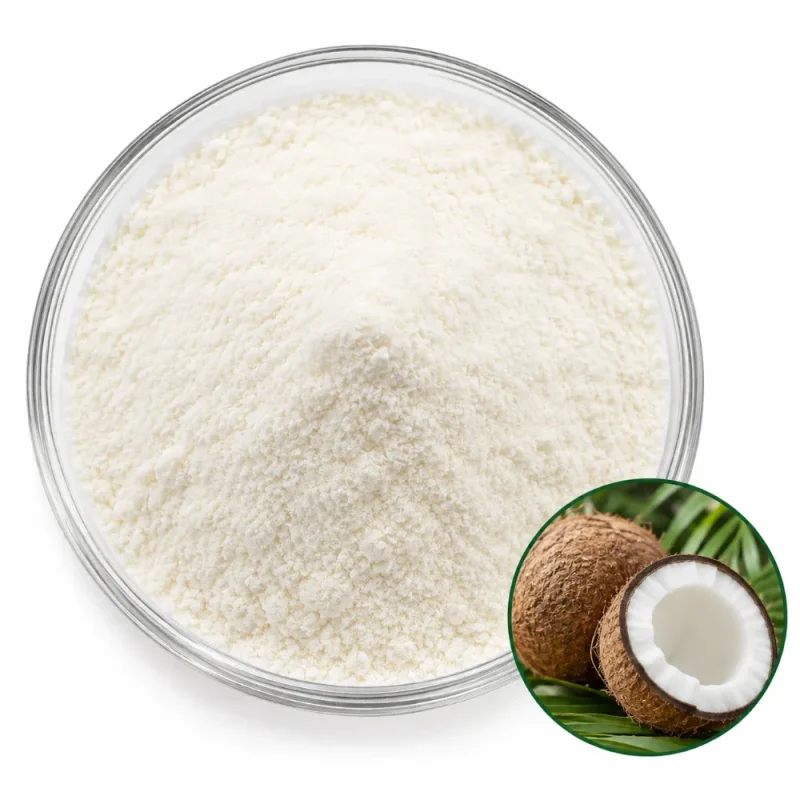
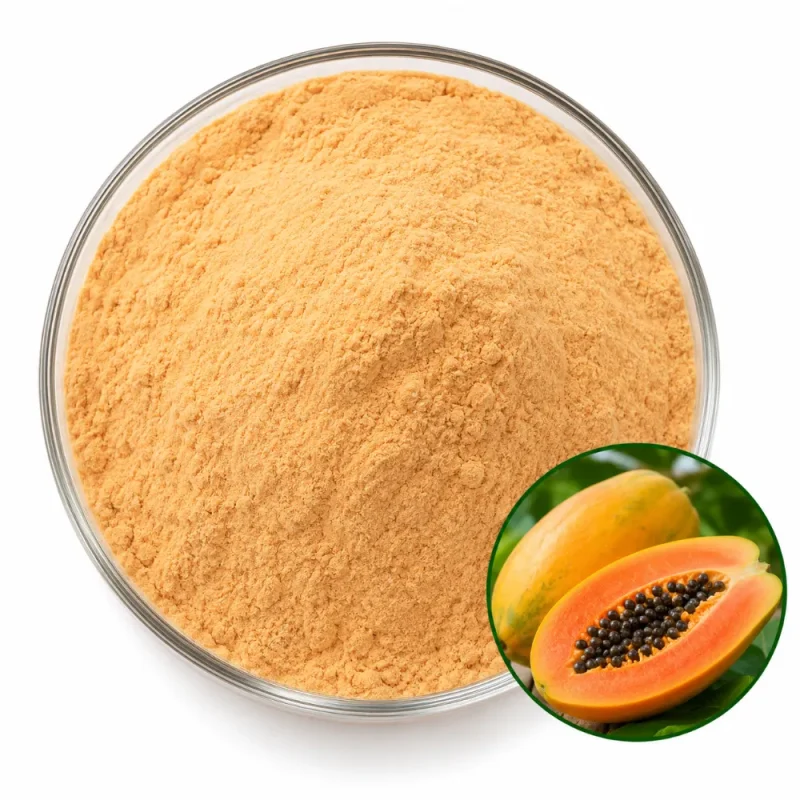
Guava Flavor, Color & Forms

The powder is light yellow, matching white or yellow-fleshed guava. Pink-fleshed guavas owe their color to lycopene, a fat-soluble carotenoid, and would yield a pinker product. The flavor is sweet and floral with a warm musky depth and a faint tartness, and the aroma is more powerful than the taste suggests, so low inclusions are enough to carry the fruit note.

Characteristic constituents are pectin and soluble fibers, sugars, organic acids, vitamin C, and aromatic esters and terpenes. No figure is given for any of them. In water the powder gives an opaque yellow liquid with a smooth, slightly thick feel. Leaf-derived products carry astringent polyphenols and are distinct materials with a different use.

FormWhat It IsChoose It When
Guava Juice PowderSpray-dried pulp juice on maltodextrinA soluble, smooth guava flavor is wanted
Freeze-Dried Guava PowderFruit dried under vacuum, keeping pulp solidsFiber and fruit solids matter
Guava Leaf Extract PowderRatio extract of the leafThe leaf, not the fruit, is specified
Guava Leaf Extract 20% PolyphenolsStandardized leaf extract with a defined polyphenol levelA polyphenol figure is needed in the specification

Typical Specifications

Specification ItemProduct Information
Latin NamePsidium guajava
Plant PartFruit & Berry
ProcessingSpray-Dried Juice
Common NameGuava
Raw MaterialGuava juice concentrate
Ingredient TypeJuice Powder
CarrierMaltodextrin
AppearanceLight Yellow powder
FlavorSweet, musky, floral
Solubility / DispersibilityWater Soluble
Quality Parameters
Moisture (LOD)≤5.0%
Heavy MetalsLead ≤2 ppm · Arsenic ≤1 ppm · Cadmium ≤1 ppm · Mercury ≤0.1 ppm
MicrobiologyTPC ≤10,000 cfu/g · Yeast & Mold ≤1,000 cfu/g · E. coli Negative · Salmonella Negative/25 g
Shelf Life24 months in unopened original packaging, cool and dry storage

Application Areas

Tropical Smoothie Powders

Dry smoothie bases combine guava powder with mango, pineapple and passion fruit for a tropical blend. The powder suspends well in cold liquid, and its pectin gives a smoother, thicker mouthfeel than clear juice powders, so less gum is needed in the mix.

Fruit Gummies and Jelly Candy

Gummy makers use guava powder to bring the flavor of fresh guava into pectin or gelatin sweets. The fruit’s own pectin joins the gel network, so setting time and firmness need trial adjustment when the powder is added at higher levels.

Yogurt and Frozen Dessert Mixes

Dairy mixes and ice lolly bases use guava powder for strong aroma at low cost. The cloud holds in milk systems, and the sweet-floral note pairs with coconut and vanilla, so flavor mixes often use guava as the lead tropical note.

Bakery Fillings and Pastry Spreads

Guava paste is a staple filling in Latin American pastries, and guava powder delivers the flavor in a dry premix. Cooked fillings drive off some aroma, so adding the powder to the cooled filling keeps more of the fresh note.

Instant Beverage Sachets

Single-serve sachets use guava powder as the main flavor and color, with citric acid to brighten the finish. The powder wets slowly in the first seconds because of its pulp particles, and stirring in a small volume of liquid before dilution prevents floating clumps.

Moisture Pickup & Stability

Guava powder absorbs water readily. The amorphous maltodextrin solids and the pectin hold water on the surface, so a drum left open in a humid room forms a sticky crust within hours, and the crust can seal the powder beneath it. Weigh in a dry area and reclose the liner after every draw.

Aroma is lost faster than color. The esters and terpenes that give guava its character are volatile, and warm storage and air exposure strip the top notes, leaving a flatter sweetness. Sealed packaging, cool storage and short open times keep the aroma closer to what was received.

Pectin can behave unexpectedly in acidic, high-sugar systems. At high dissolved concentration the powder thickens the liquid, and in a jelly-type formula it may start to gel with calcium or sugar. Test viscosity at the intended use level. A guava premix usually benefits from a short pre-blend with sugar or another bulk ingredient, which spreads the sticky pectin particles and avoids pockets of clumped powder in the final dry mix.

Packaging & Commercial Supply

Essencefield supports product evaluation, formulation trials, commercial orders, and ongoing ingredient supply. Packaging, storage, and shipping arrangements are determined by product characteristics, order quantity, stability requirements, and destination-market needs.

Supply ItemGeneral Information
SampleAvailable upon request for formulation, testing, and supplier evaluation
Order Quantities100 g · 1 kg · 5 kg · 25 kg · 100 kg · 500 kg · Bulk
Sample Lead TimeTypically 5–7 days after sample confirmation
Production Lead TimeTypically 15–30 days after order and specification confirmation
PackagingSuitable protective inner packaging with bags, cartons, drums, or other appropriate outer packaging
StorageStore in tightly sealed, suitable protective packaging in a cool, dry environment. Protect from moisture, heat, and direct sunlight. Specific storage conditions follow the approved product specification.
DocumentationCOA · Product Specification · TDS · SDS · Applicable declarations (as applicable)

Final order quantities, lead times, packaging, documentation, and shipping arrangements are confirmed according to the selected product and commercial requirements.

Request Ingredient Specifications & Quote

Share your target specification, application, quantity, and documentation needs. We’ll help confirm suitable options, samples, and commercial supply details.