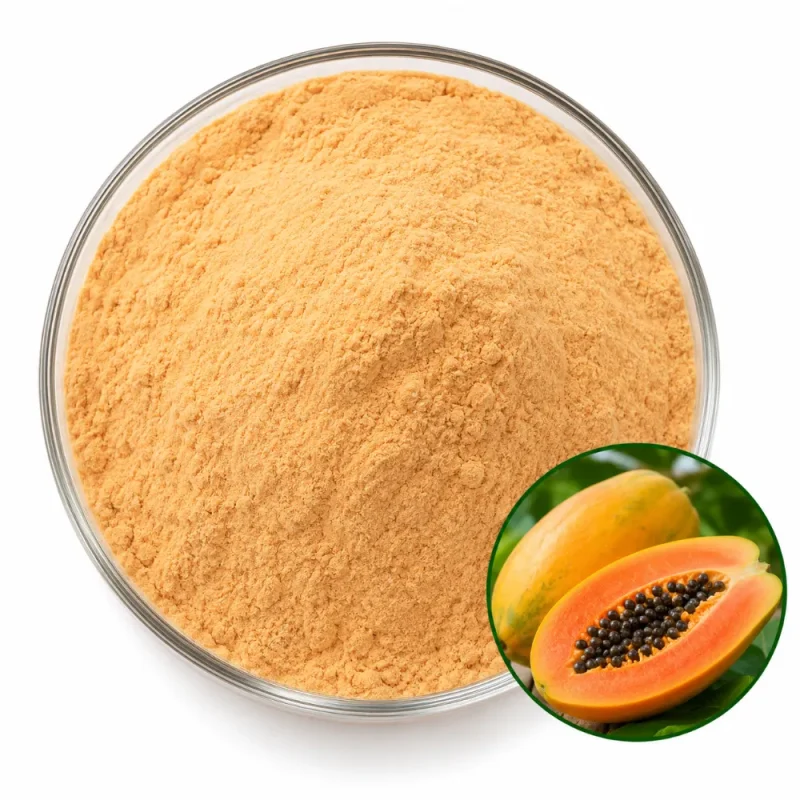
Papaya Juice Powder Processing
The species is Carica papaya L., the papaya or pawpaw of the tropics, a fast-growing herbaceous tree of the papaya family (Caricaceae) native to Central America. In parts of the world “pawpaw” means Asimina triloba, a North American tree in a different family, so the Latin name settles identity. The part used is the ripe fruit, which has orange or reddish flesh around a cavity of black seeds.
The raw material is papaya juice concentrate, prepared from ripe pulp that is pulped, strained and concentrated. Seeds and coarse fiber are removed, and the concentrate is blended with maltodextrin and atomized in a spray dryer. The carrier makes the powder soluble and gives it body, and the process heat inactivates the protein-digesting enzyme papain, which sits mainly in the latex of unripe fruit and is low in ripe flesh.
Papaya ripens off the tree and softens fast, so processors work with fruit at the fully colored stage. Pulp from underripe fruit is firmer and pale, and the juice has a greener flavor and more enzyme activity, which is why ripeness is part of the quality of the concentrate.
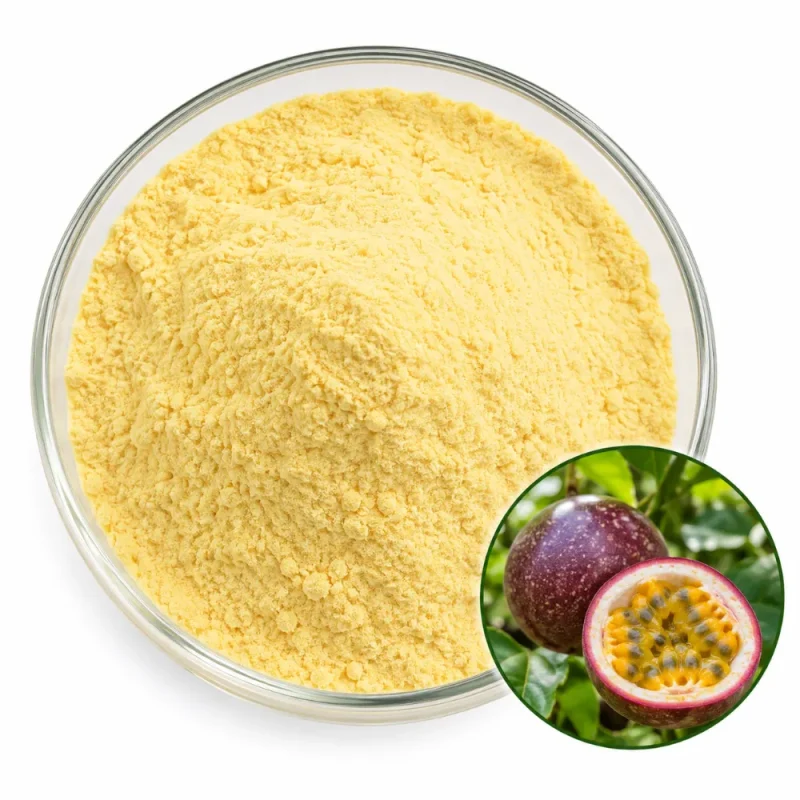
Papaya trees fruit all year in warm climates, and fruit of different sizes and flesh colors is grown, from the large red-fleshed types of Latin America to the small yellow-fleshed Hawaiian types. The master color of this powder is yellow-orange, and the cultivar mix is not stated.