Maqui Berry Juice Powder Processing
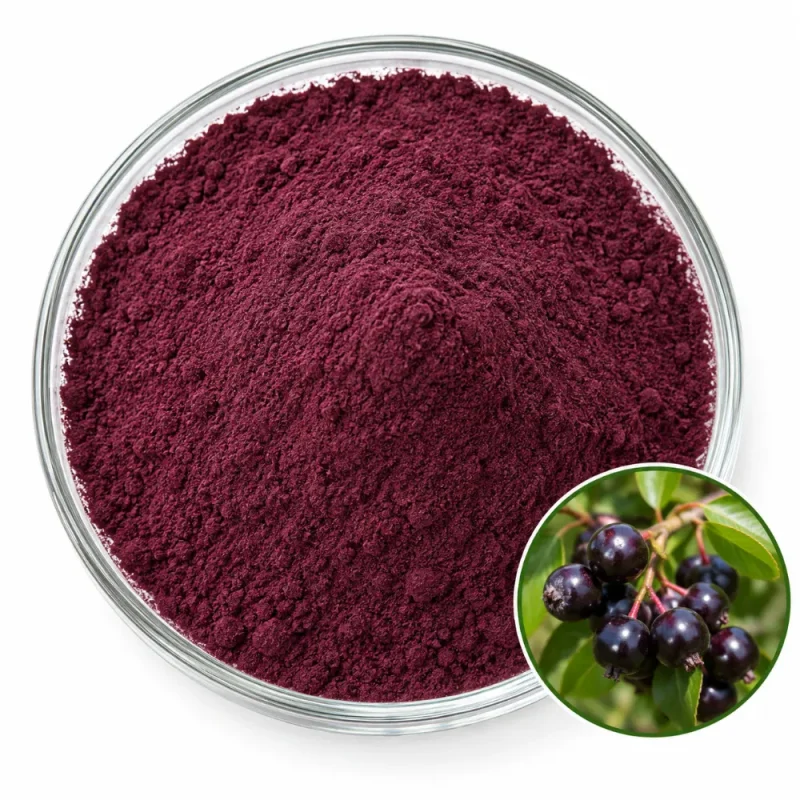
The botanical entity is Aristotelia chilensis (Molina) Stuntz, the maqui, a fast-growing evergreen tree of the Elaeocarpaceae family native to central and southern Chile and neighboring Argentina. The small, round, almost black berries ripen in summer and have been gathered from wild stands for centuries. Maqui is not the açaí berry, Euterpe oleracea, nor the Chilean “murta” or the northern bilberry, although all of them are dark and often appear in the same blends.
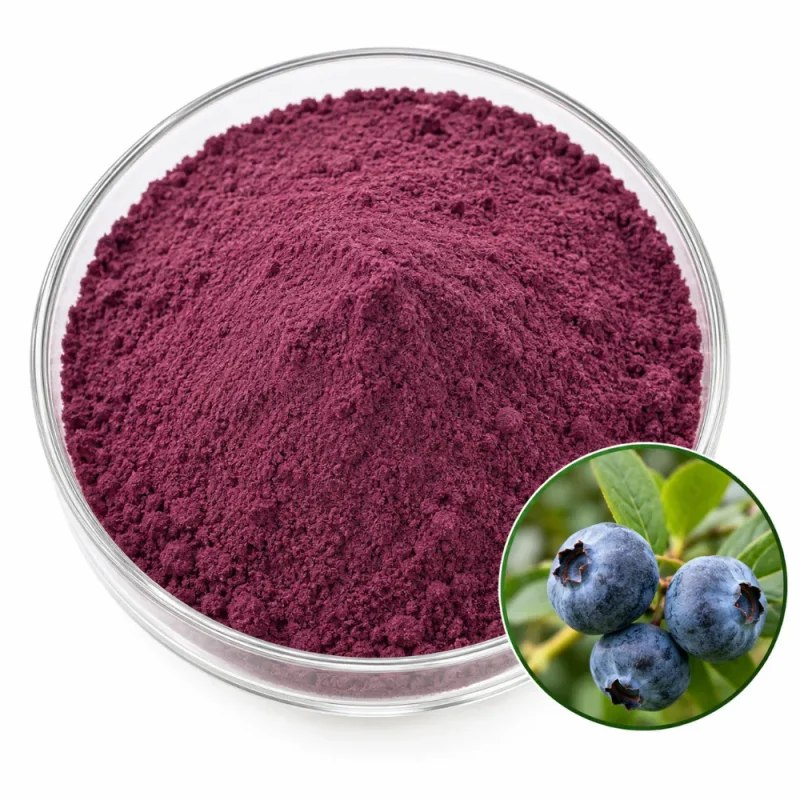
The raw material is maqui berry juice concentrate. Berries are pressed, the juice is concentrated and mixed with maltodextrin, and the mixture is atomized in a spray dryer. The carrier makes the powder soluble and free-flowing and lightens the nearly black juice to a purple red powder, while taming the strong astringency of the berries.
Skins and seeds remain in the pomace, so the powder is lighter in fiber and tannin than a whole-berry form. That is the main practical difference between this powder and the freeze-dried alternative.
Wild collection is still a major part of maqui supply, and the fruit ripens unevenly on the tree. Pickers favor fully black berries, which carry the most pigment, and the juice concentrate is built from that dark fraction. Cultivated orchards exist in Chile, but wild-collected fruit remains common in trade.