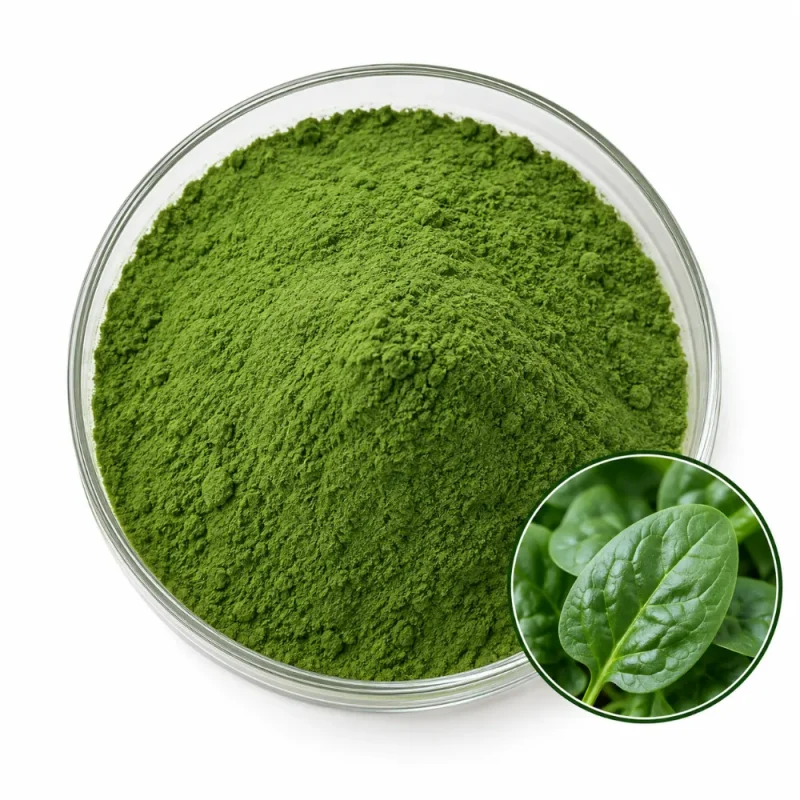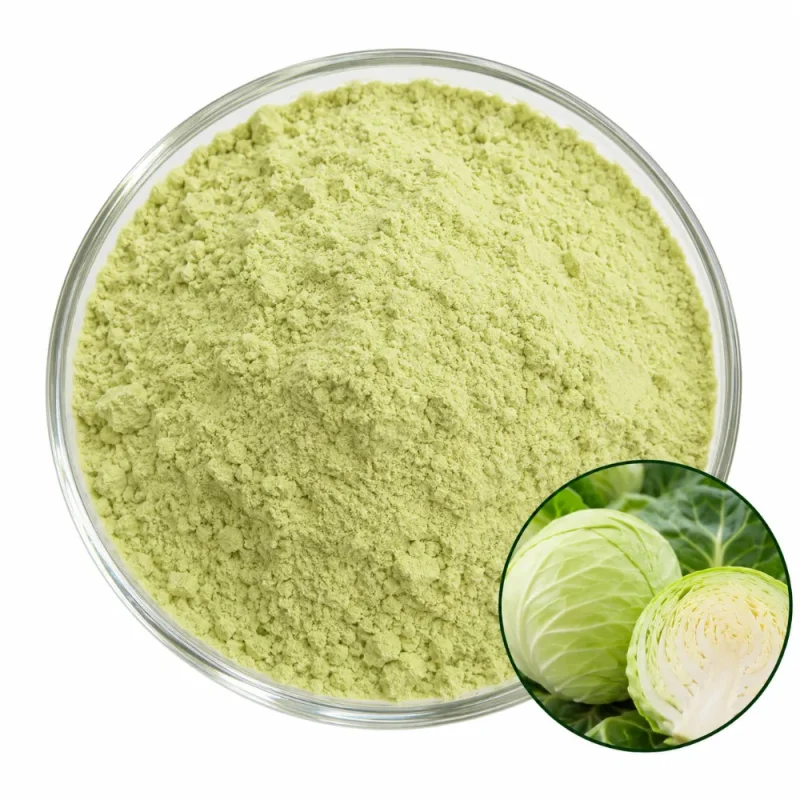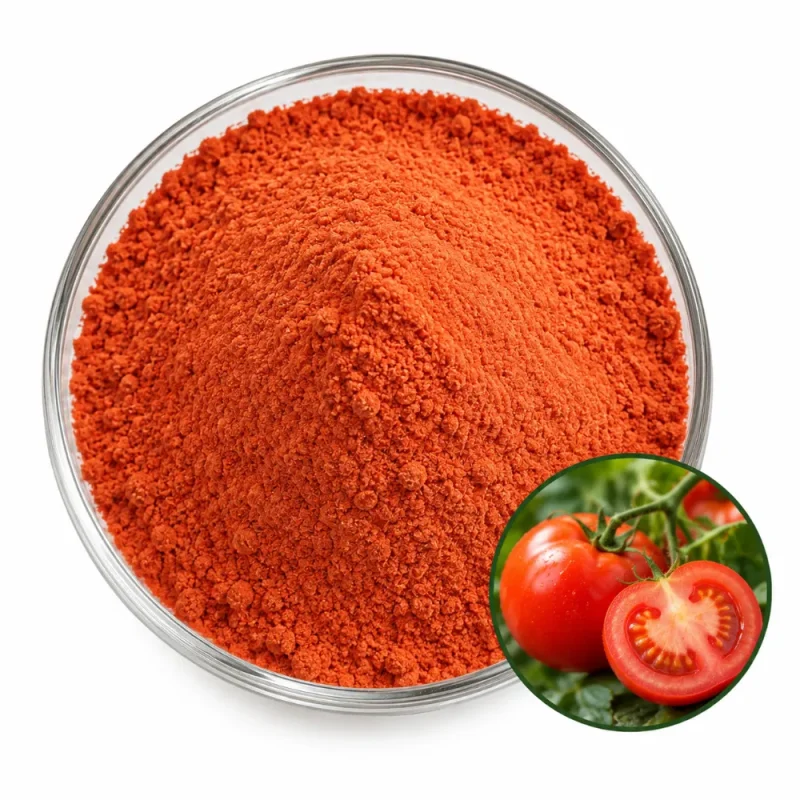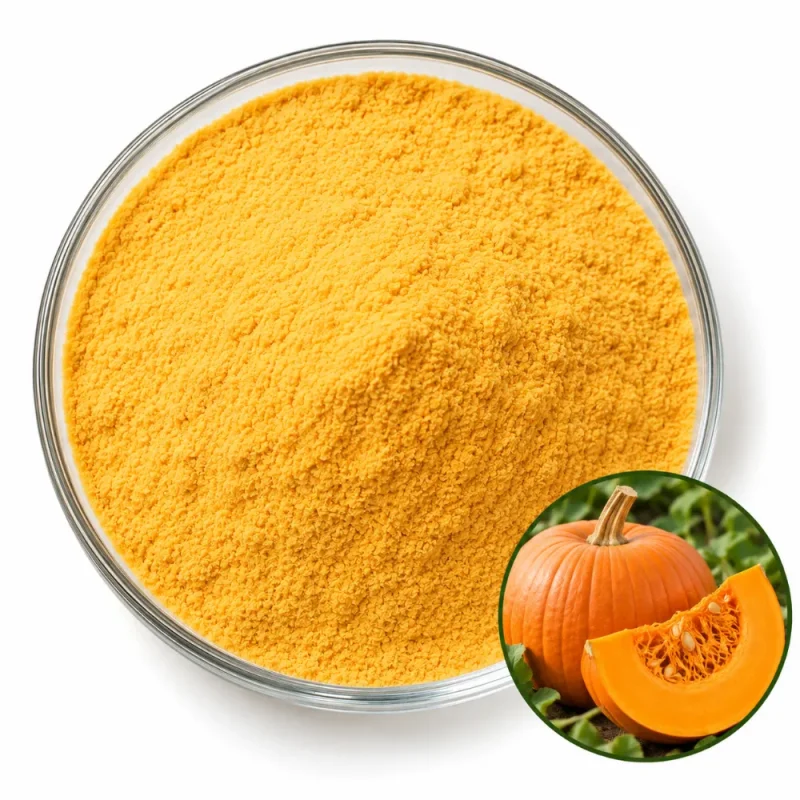
Dehydrated Spinach Processing
The species is Spinacia oleracea L., spinach, an annual leaf vegetable of the amaranth family (Amaranthaceae). Water spinach, Ipomoea aquatica, and New Zealand spinach, Tetragonia tetragonioides, are unrelated plants with similar names. The part used is the leaf blade with its petiole, harvested while young and tender.
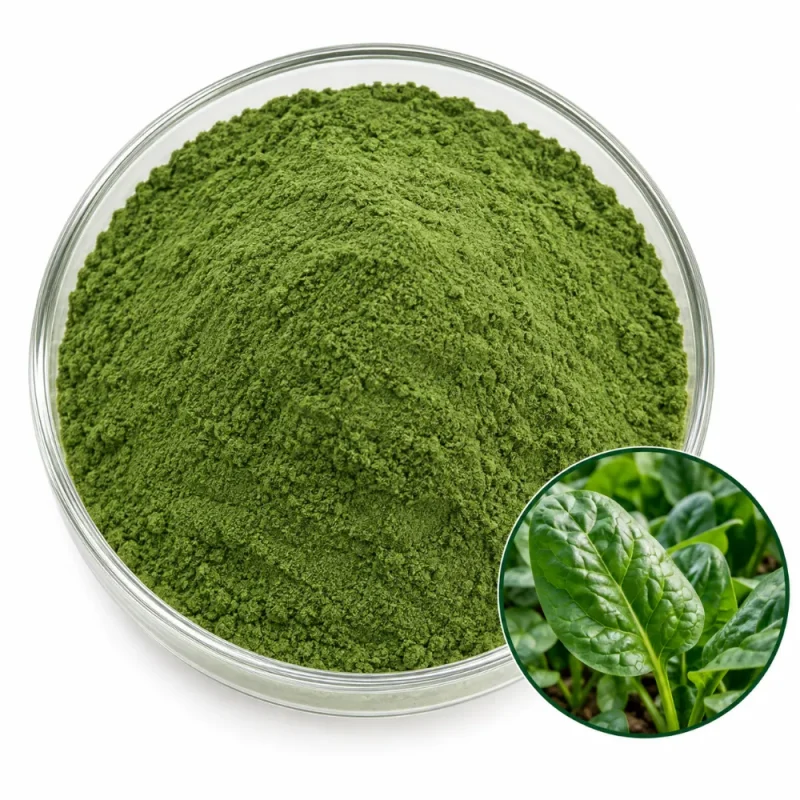
The raw material is fresh spinach leaf. Leaves are washed, trimmed, dried in warm air and ground to a fine powder. Leaves are neither pressed nor extracted, and no carrier is added. Hot-air dehydration gives a darker, more olive green than a freeze-dried form and a flavor closer to cooked spinach than to raw leaf.
Chlorophyll is the pigment that matters. Heat and the slight acidity of leaf tissue convert part of it to pheophytin, so dried spinach leans toward olive. Gentle drying and fast handling after harvest limit that shift. Spinach leaves wilt and bruise within hours of picking, and processors dry them quickly to hold color and keep off-notes down.
Cool-season crops give the best quality. Spring and autumn spinach is mild and tender, while summer-grown plants bolt and develop a bitter, tough leaf. The powder is described by shade and taste, and the cultivar and season are not stated.
Whole-leaf powder keeps the stems and veins of the leaf blade, so it carries more insoluble fiber than the juice form. That fiber is the reason for the coarser dispersion in water and the extra body in doughs and patties, and it is also why the powder hydrates slowly and benefits from a few minutes’ rest in a wet mix.