Green tea extract (Camellia sinensis (L.) Kuntze, leaf) is usually quoted with one percentage, but the percentage can refer to three different things: total polyphenols, total catechins or EGCG alone. Two offers that both read “98%” may describe very different materials, and a figure measured one way cannot be converted into a figure measured another way.
This guide explains what each number measures, how it is tested, and how the main green tea ingredient forms compare, so you can read a specification and a COA with confidence.
What Do Polyphenols, Catechins and EGCG Mean on a Specification?
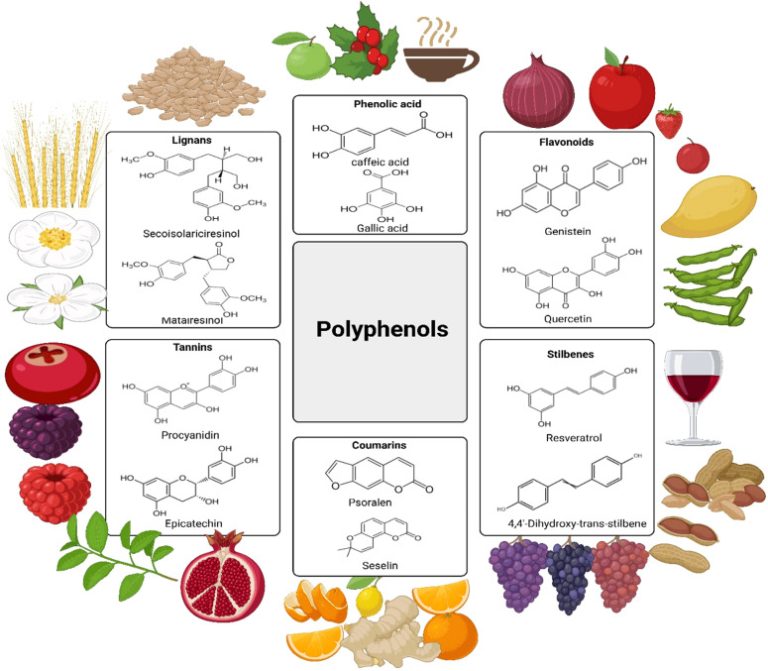
The three terms describe nested groups of compounds. Tea polyphenols are mostly flavan-3-ols, the catechins, together with their gallate esters and smaller amounts of flavonol glycosides and phenolic acids. The catechins are the largest share inside that total, and epigallocatechin gallate (EGCG) is the most characteristic single catechin of unoxidized green tea leaf.
| Figure | What it counts | Usual method | Relative size |
|---|---|---|---|
| Total polyphenols | All phenolic compounds that react with the reagent | Colorimetric (Folin-Ciocalteu), read by UV-Vis | Largest |
| Total catechins | The sum of named catechins | HPLC | Smaller |
| EGCG | One compound | HPLC | Smallest |
Because each figure covers a narrower group than the one above it, a polyphenol percentage is always the highest of the three for the same lot. A high polyphenol figure therefore says little by itself about the EGCG content.
How Is Each Figure Measured?
The two methods are standardized separately. ISO 14502-1 describes the determination of total polyphenols in leaf and instant tea by a colorimetric assay with Folin-Ciocalteu reagent. ISO 14502-2 describes an HPLC method that determines total catechins by adding up the individual catechins, and the same run can also determine caffeine and gallic acid.
In the Folin-Ciocalteu assay, phenolic hydroxyl groups reduce the reagent and form a blue color that is read by absorbance against a reference phenol. The reference compound is part of the method, so the result is only meaningful when the reference is stated. The reagent also reacts with other reducing substances, such as ascorbic acid and some amino acids and sugars, so a high total does not prove that the material is mostly catechins.
HPLC separates the individual catechins on a column and quantifies each named peak against reference standards. It is the method that can give a total catechin figure, an EGCG figure and a caffeine figure from one chromatogram.
Why Can’t a Polyphenol Percentage Be Converted into EGCG?
The two methods measure different things. A colorimetric total responds to every compound that reduces the reagent, while HPLC counts only the peaks it names. There is no fixed factor between the two, because the share of EGCG inside the polyphenol total depends on the leaf, the extraction and any purification step.
For buyers, this means the number to specify is the number your formula depends on. If the product is described simply as a green tea extract with a polyphenol content, a UV polyphenol grade can be appropriate. If the label, the dose rationale or a regulatory limit is written in EGCG or catechins, the specification needs an HPLC figure for that compound, and a polyphenol grade will not answer the question.
How Do the Main Green Tea Ingredient Forms Compare?
| Form | What it is | Defined by | Water behavior |
|---|---|---|---|
| Green Tea Leaf Powder | Steamed or pan-fired leaf, dried and milled whole | Identity, mesh (80 mesh; 40, 60, 100 optional) | Disperses as a fine suspension |
| Matcha Powder | Finely milled tea leaf of the matcha leaf style | Leaf style and grind | Disperses; whole leaf is consumed |
| Green Tea Extract Powder | Water extract at a 10:1 ratio | Extract ratio, no marker figure | Dispersible |
| Green Tea Extract 40–98% Polyphenols | Ethanol extract standardized to total polyphenols | Polyphenols by UV (Folin-Ciocalteu) | Water soluble |
| EGCG 98% | Purified single catechin | EGCG purity by HPLC (95% also listed) | Water soluble |
Leaf powder and matcha carry the whole leaf, including fiber, chlorophyll and caffeine, so they suit products where tea character and a whole-leaf positioning matter more than a defined marker. The 10:1 extract concentrates the soluble leaf fraction, but its ratio states how much leaf went into the extract, not how much polyphenol came out. The difference is covered in Extract Ratio vs Standardized Extract.
The standardized extract and EGCG 98% are the two forms with a stated chemical figure. They answer different questions: one states a class total, the other the purity of a single compound.
How Do 40% and 98% Polyphenol Grades Differ in Use?
The 98% polyphenol grade carries more than twice the polyphenol load of the 40% grade per gram, so a capsule or tablet reaches its target in a smaller fill. It is also the most bitter and astringent form, which is one reason tablets of the high grade are usually film-coated.
The 40% grade brings more of the soluble leaf matrix into each gram and gives a rounder tea taste. It suits instant tea sticks and drink blends, where taste matters as much as the polyphenol figure. Catechins hold up better in acidic drinks than at neutral pH, and contact with iron forms dark complexes, so stainless steel contact surfaces and an opaque, low-oxygen pack help both grades keep their color.
What Else Belongs on a Green Tea Extract Specification?
| Parameter | What to state |
|---|---|
| Identity | Camellia sinensis (L.) Kuntze; plant part: leaf; unoxidized (green) leaf |
| Marker | Polyphenols, total catechins or EGCG, with target and range |
| Method | Folin-Ciocalteu (with reference standard) or HPLC, matched to the marker |
| Caffeine | Whether it is reported, and by which method |
| Extraction solvent | Water, ethanol or water–ethanol; residual solvent limit where ethanol is used |
| Physical | Mesh, color, solubility, carrier if any |
| Contaminants | Heavy metals, pesticide residues and microbiology agreed for the market |
Caffeine deserves its own line. It is a natural constituent of the leaf and stays in the extract unless a decaffeination step is applied, so a formula that combines green tea with coffee or guarana needs to account for it. Oxidized or fermented tea is a different raw material: its chromatogram shows theaflavins and thearubigins in place of most catechins, and it is listed separately as Black Tea Extract 10–40% Theaflavins.
How Should Buyers Read a Green Tea Extract COA?
Start by checking that the COA names the same marker and method as the specification. A COA that reports only a UV polyphenol figure cannot confirm a catechin or EGCG content, however high the number is. Next, check the reporting basis (as-is or dry basis), the acceptance range and the reference standard used for the colorimetric assay.
Finally, compare the lot number, grade and test date with the material shipped. For a full checklist of COA fields, see How to Read a Botanical Extract COA. For the broader difference between colorimetric totals and HPLC results, see Botanical Extract Assay Methods.
Comparing Green Tea Grades with Essencefield
Our standardized green tea extract is specified as 40–98% polyphenols by UV with the Folin-Ciocalteu method, with 98% as the primary grade, and EGCG 98% is listed separately with HPLC as the method. Our listed Botanical Extracts, including the green tea extract powder, are 10:1. Grades differ in assay, ratio, solubility and cost-in-use, and the highest number is not automatically the best fit, which is the basis of our Specification & Grade Matching service. Browse Standardized Extracts or contact our team to request a specification, a representative COA or a sample.