Morinda officinalis Raw Material & Plant Part
The botanical name is Morinda officinalis F.C.How, family Rubiaceae, known as Morinda root, ba ji tian or Chinese morinda. The raw material is the dried root, which is dug up from cultivated plants, washed, cut and dried before milling. Stem, leaf, flower and fruit are not part of the powder. Some databases treat the species as a synonym of Gynochthodes officinalis, and labels may show either name.
The plant is easily confused with its relative noni, Morinda citrifolia, which is a different species grown for its fruit and leaves. Noni products are a different ingredient with different chemistry, and the two should not be mixed in a specification. Naming the species and the root keeps them apart, since the name Morinda alone does not.
The root is known for oligosaccharides, mainly inulin-type sugars that give the powder its slight sweetness and its tendency to take up water, for iridoid glycosides such as monotropein, and for anthraquinones such as rubiadin in small amounts.
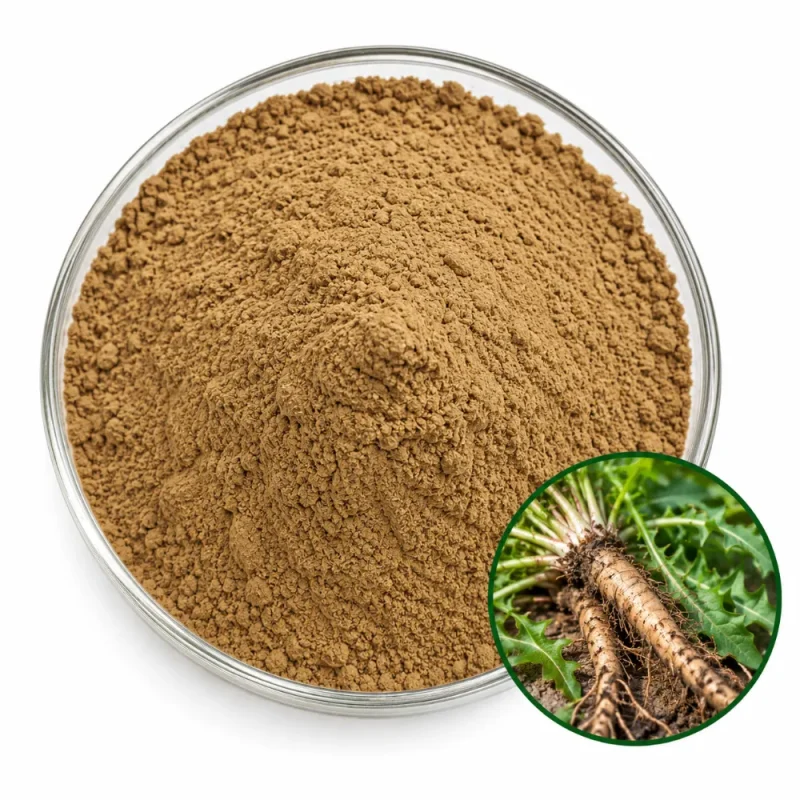
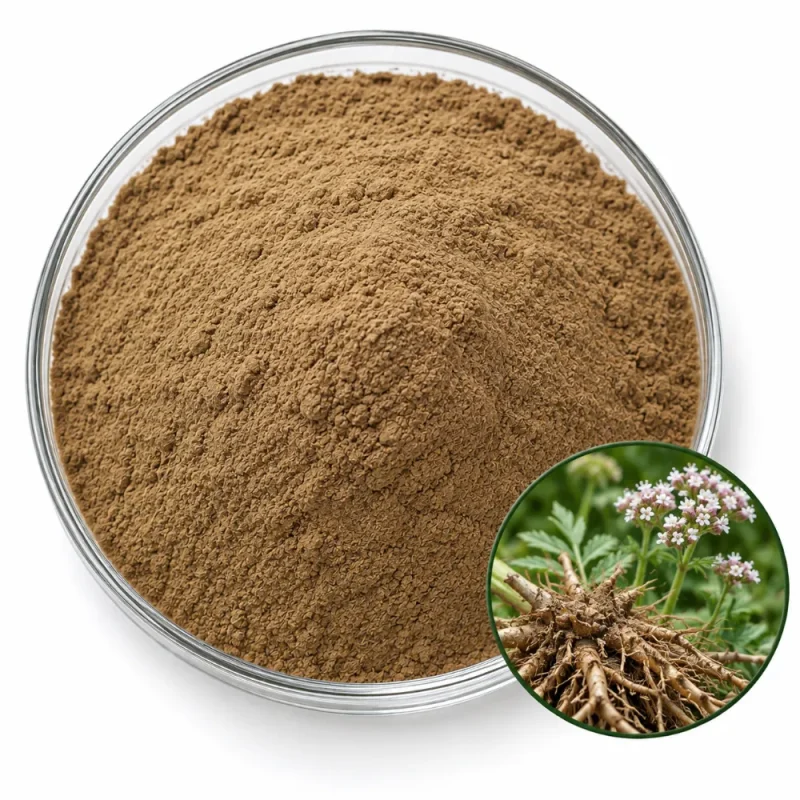
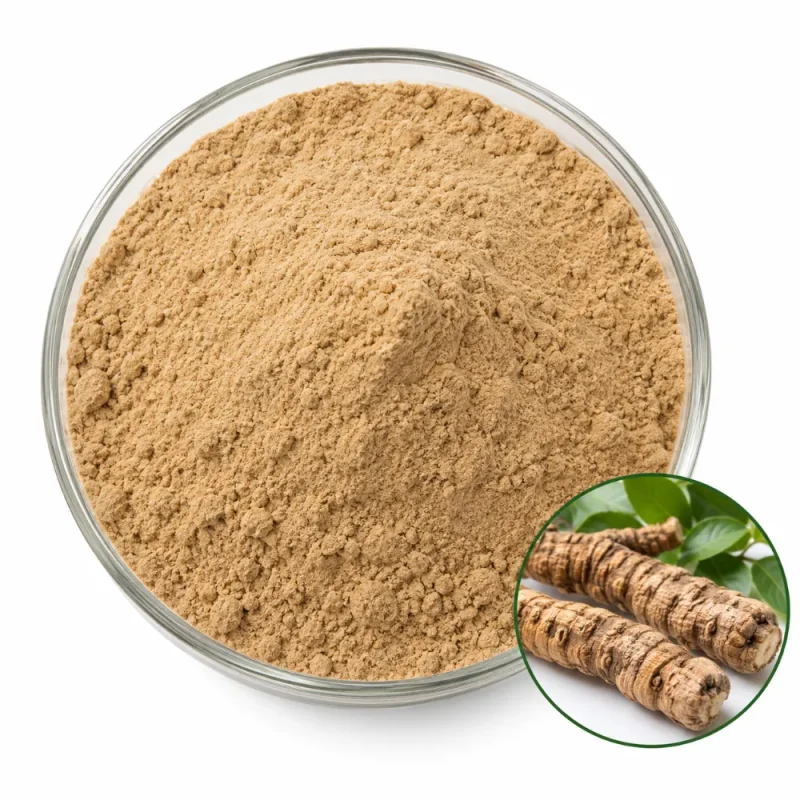
The dried root is firm and woody, with a purplish-gray surface in some pieces and a pale interior, so the powder is light brown with a hint of purple in darker lots. The color comes from the anthraquinone pigments and shifts with pH, which is a practical point for liquid formats.
Morinda officinalis grows as a climbing shrub on warm, humid hillsides, and the cultivated roots are harvested after several years of growth. The thick, fleshy roots are cut and dried slowly, and the quality of Morinda officinalis root powder depends on thorough drying, since a damp root molds and darkens quickly.