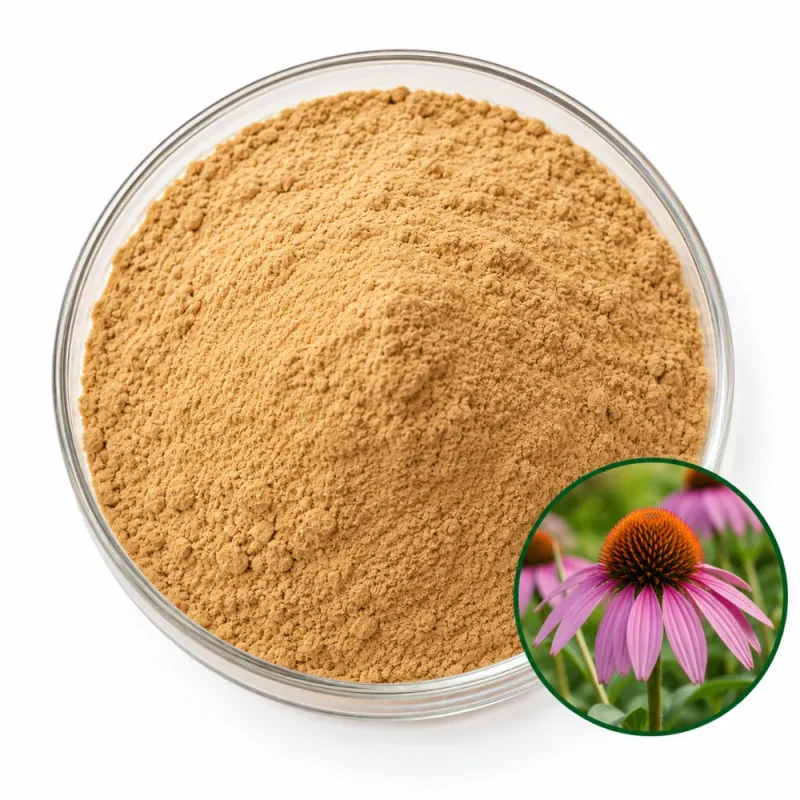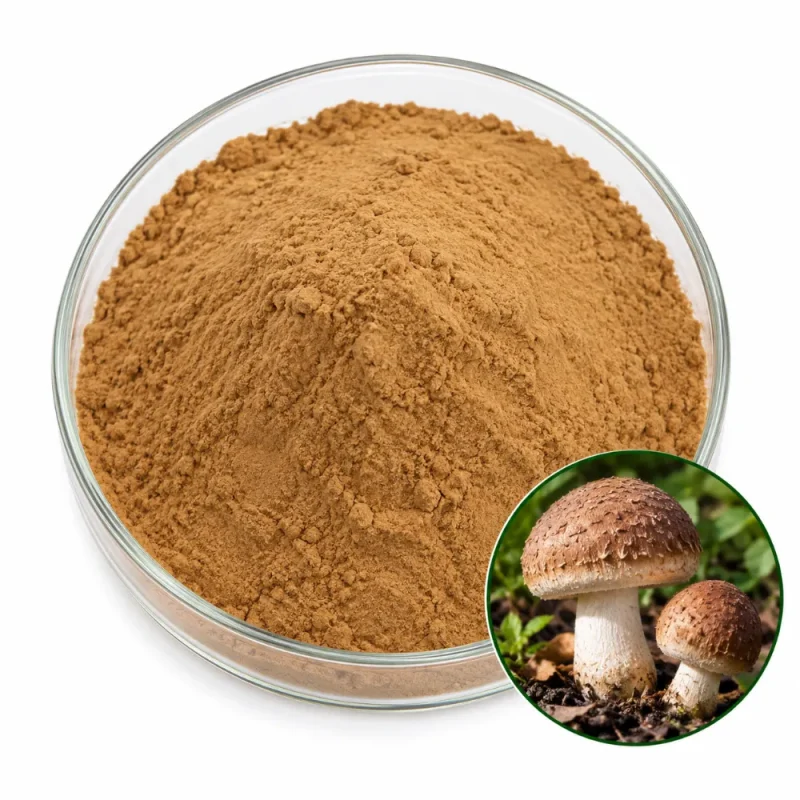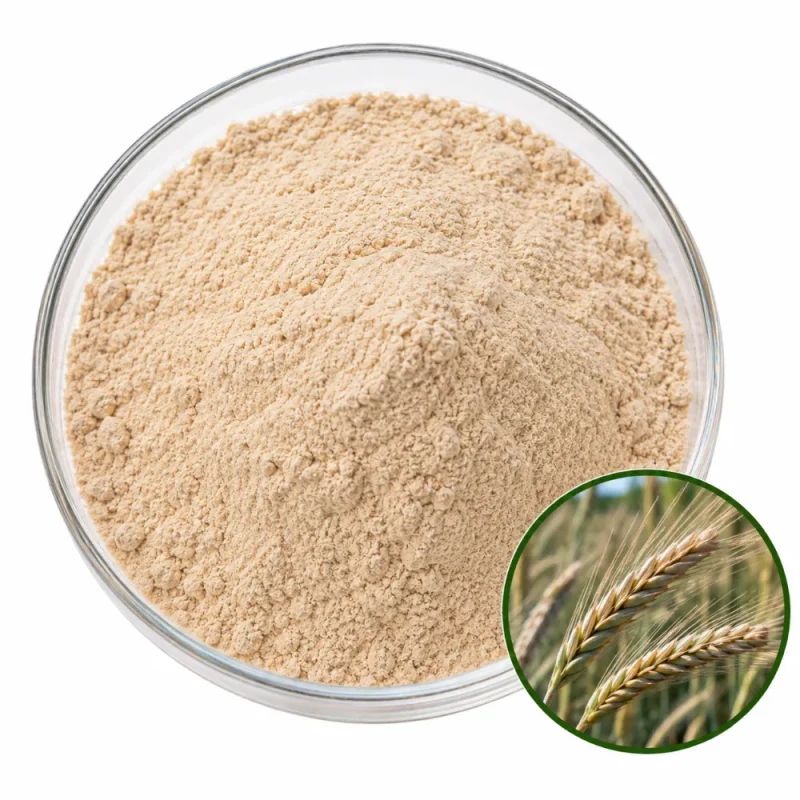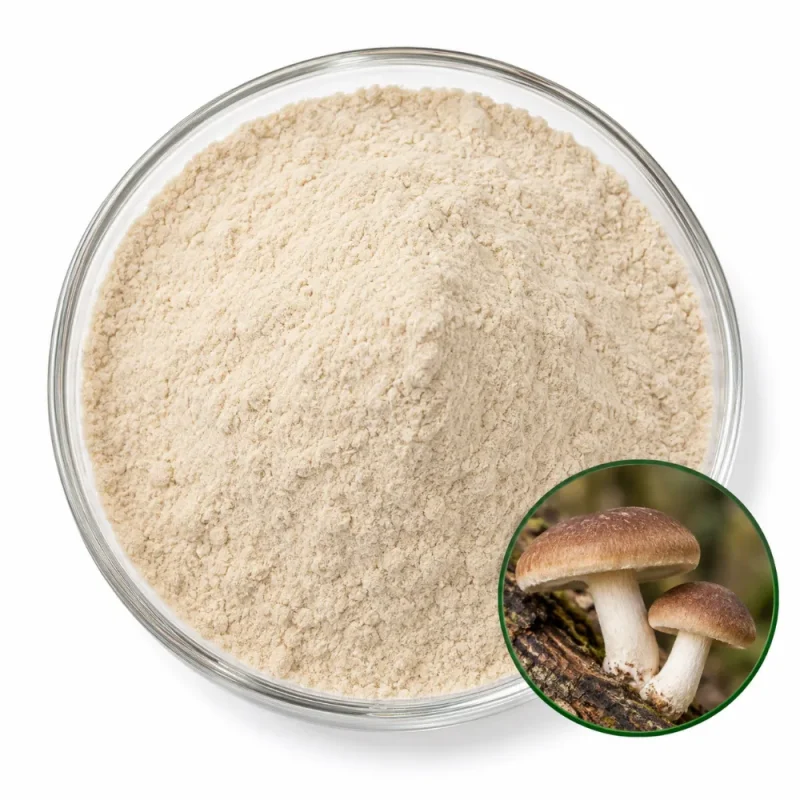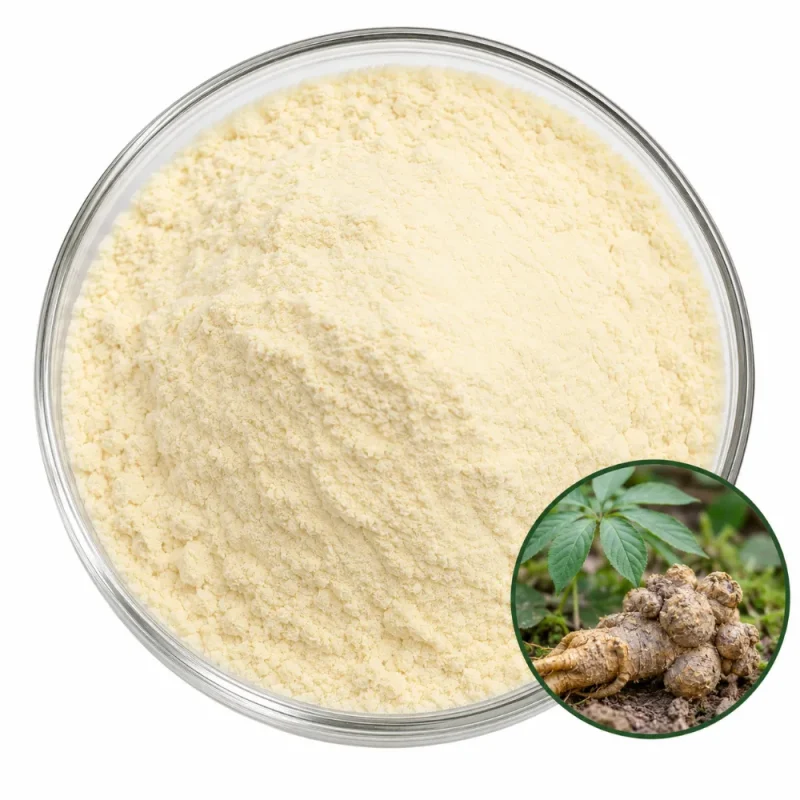
Panax notoginseng Polysaccharide Powder

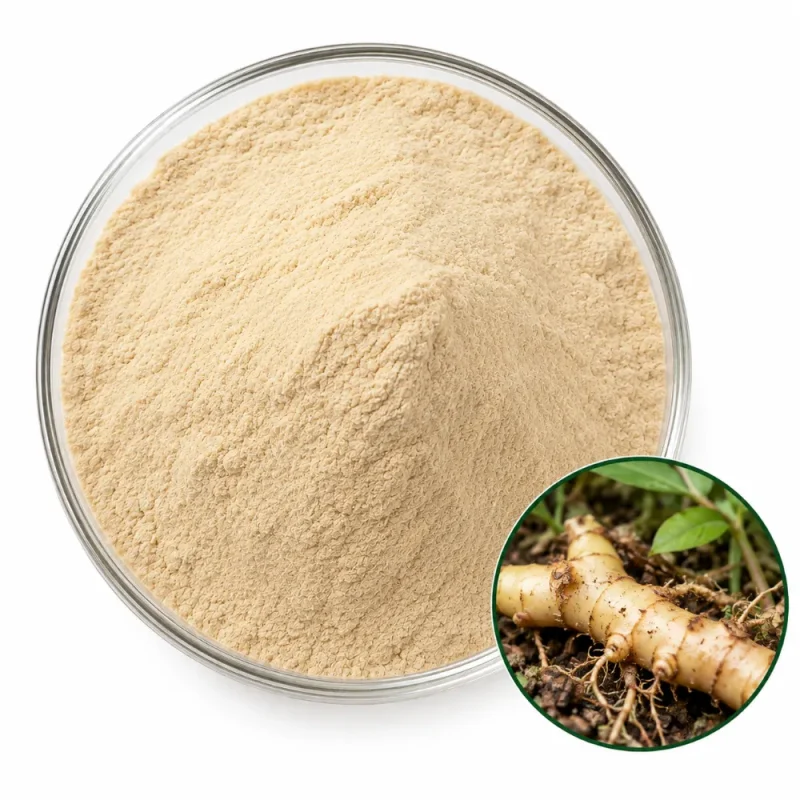
Purified from the water extract of Panax notoginseng root, this polysaccharide powder holds the carbohydrate fraction that sits beside the saponins of the same root. Starch and small sugars are reduced in purification, and the dried material is a fine brown powder that dissolves in water.

Polysaccharide content is ≥30% by UV-Vis (phenol–sulfuric, as glucose), moisture and total ash are each ≤5.0%, and the powder is milled to 80 mesh. It is supplied for dietary supplements, functional beverages and functional foods, with content and method stated together.

Panax notoginseng Polysaccharide Identity

Panax notoginseng polysaccharide powder comes from the root of Panax notoginseng (Burkill) F.H.Chen ex C.H.Chow, a mountain perennial also called sanqi or tianqi. Panax notoginseng root is the only part used; the flower and leaf of the plant are separate materials and are not included. A common naming mistake is “tusanqi”, a name that usually points to plants of the genus Gynura rather than to Panax.

Panax notoginseng root stores a large amount of starch, and the polysaccharides of interest are the acidic, pectin-like polymers, with arabinose and galactose in their side chains, that accompany it. Hot-water extraction brings both types out, along with dammarane saponins such as notoginsenoside R1 and ginsenosides Rb1 and Rg1. The purified powder keeps the carbohydrate fraction and sheds most of the starch and saponin.

The plant is perennial and slow, with roots dug after about three years in the field. Root size and age change the starch share, which is why purification, not the raw root, sets the carbohydrate profile of Panax notoginseng polysaccharide. Rhizome, main root and rootlets are processed as root, and only the dried root enters extraction.

Related notoginseng products differ in what they define. Notoginseng Extract Powder is a ratio extract of the root, Panax Notoginseng Extract 5–80% Total Saponins is a saponin-assay product, and Ginsenoside Rb1 98% is a single purified compound.
Polysaccharide Content & Test Method

The content figure is a total-carbohydrate value, polysaccharides ≥30% by UV-Vis. In the phenol–sulfuric reaction, hot sulfuric acid breaks polymers into monosaccharides, phenol forms a colored complex, and absorbance is compared against a glucose curve. The result is stated as glucose equivalents and counts any sugar-yielding material in the sample.

Panax notoginseng root is a difficult sample for that method because of its starch. Starch gives the same color as pectic polysaccharide, so a crude root extract with a high sugar reading could be mostly starch. The enzymatic and ethanol steps used to produce this powder reduce the starch, and the stated 30% applies to the dried product after those steps and not to the extract before them.

Notoginsenosides and ginsenosides are triterpene saponins, a different compound class, and a polysaccharide percentage says nothing about them. Gravimetric ethanol-precipitate values would also include protein and saponin carried down in the precipitate, and an enzymatic assay is specific to one linkage. This grade is specified by UV-Vis only.

Typical Specifications

Specification ItemProduct Information
Latin NamePanax notoginseng
Plant PartRoot & Rhizome
ProcessingWater Extraction & Purification
Common NameNotoginseng (Sanqi)
Ingredient TypePolysaccharide Extract
Polysaccharide TypePectic-type heteropolysaccharides with glucan
ContentPolysaccharides ≥30% (UV-Vis, as glucose)
AppearanceBrown powder
Solubility / DispersibilityWater Soluble
Quality Parameters
Moisture≤5.0% (LOD)
Total Ash≤5.0%
Particle Size80 mesh
Heavy MetalsLead ≤2 ppm · Arsenic ≤1 ppm · Cadmium ≤1 ppm · Mercury ≤0.1 ppm
MicrobiologyTPC ≤1,000 cfu/g · Yeast & Mold ≤100 cfu/g · E. coli Negative · Salmonella Negative/25 g
Shelf Life24 months in unopened original packaging, cool and dry storage

Panax notoginseng Polysaccharide Solution Behavior

Panax notoginseng polysaccharide dissolves in water to a brown solution that may be slightly cloudy at higher concentration. Viscosity rises gently with concentration and does not form a gel at normal use levels. Warm water and steady stirring shorten dissolution time, and adding the powder to a vortex avoids surface lumps.

Residual saponins act as natural surfactants, so a shaken solution of Panax notoginseng polysaccharide foams briefly even though saponin is no longer the defining component. This matters most in carbonated drinks and in bottles filled close to the neck. The acidic sugar residues also bind calcium and basic proteins, and mineral-enriched or dairy-based drinks are likely to show haze or light sediment.

Standard pasteurization leaves the chain largely intact. Extended boiling at low pH shortens it and reduces viscosity. The flavor is mild and slightly earthy, and bitterness from residual saponin is low but can be noticed in water-based drinks. No viscosity values are stated for this grade.

Sugar and sweetener systems do not disturb the chain, while strongly alkaline salts can darken the brown solution during storage. Panax notoginseng polysaccharide is best kept near neutral or mildly acidic pH, and it holds its color under light better than the pigmented extracts that often share a blend with it.

Application Areas

Sanqi Herbal Capsule Blends

Sanqi polysaccharide combines with milled root or saponin extracts in capsules to give a wider mix of the root’s constituents. The powders differ in density, so a pre-blend with a flow agent keeps capsule weight steady across the run.

Tea-Style Instant Powders

Instant tea granules and powdered infusions can carry the polysaccharide and dissolve cleanly in hot or warm water. The foam from residual saponin is brief in a cup but should be checked after bottle shaking, since a full bottle can foam over when opened.

Sachet Blends with Soluble Fibers

Mixed with inulin or soluble corn fiber in a sachet, the powder adds a pectic fraction while keeping the blend dispersible. Pre-mixing with the bulkier fiber avoids lumps when the sachet meets water, and a flow check before filling prevents bridging of the fine powder in the hopper.

Tablet Granulation

For tablets, the powder compresses with standard fillers but attracts moisture during wet granulation. Drying the granules to a controlled endpoint protects tablet hardness through storage, and disintegration time should be checked after two weeks in humid conditions.

Concentrated Drink Bases

Added to syrup-based drink concentrates, the powder gives soluble solids and a mild brown shade. Acidic bases keep it stable, while milk-based formulas may need a stabilizer or a lower inclusion level. Trials should cover the full storage period at the intended temperature.

Packaging & Commercial Supply

Essencefield supports product evaluation, formulation trials, commercial orders, and ongoing ingredient supply. Packaging, storage, and shipping arrangements are determined by product characteristics, order quantity, stability requirements, and destination-market needs.

Supply ItemGeneral Information
SampleAvailable upon request for formulation, testing, and supplier evaluation
Order Quantities100 g · 1 kg · 5 kg · 25 kg · 100 kg · 500 kg · Bulk
Sample Lead TimeTypically 5–7 days after sample confirmation
Production Lead TimeTypically 15–30 days after order and specification confirmation
PackagingSuitable protective inner packaging with bags, cartons, drums, or other appropriate outer packaging
StorageStore in tightly sealed, suitable protective packaging in a cool, dry environment. Protect from moisture, heat, and direct sunlight. Specific storage conditions follow the approved product specification.
DocumentationCOA · Product Specification · TDS · SDS · Applicable declarations (as applicable)

Final order quantities, lead times, packaging, documentation, and shipping arrangements are confirmed according to the selected product and commercial requirements.

Request Ingredient Specifications & Quote

Share your target specification, application, quantity, and documentation needs. We’ll help confirm suitable options, samples, and commercial supply details.