
Botanical Ingredients for Beauty Nutrition
Botanical extracts, standardized actives, phytochemicals and plant powders for nutricosmetic and beauty nutrition products, matched to capsules, gummies, powders, drinks and other formats, with documentation and samples.
Botanicals in Beauty Nutrition Formulas
Beauty-from-within products often combine botanical ingredients with vitamins, minerals, lipids, peptides and other nutritional components. The right material depends on the product concept, concentration, taste, processing and dosage format.
Ingredient form | Typical fit | Key qualification points |
|---|---|---|
Botanical extract | Concentrated botanical formulas | Species, plant part, extract ratio (10:1), carrier |
Standardized extract | Formulas built on a defined marker | Marker, assay, batch consistency |
Phytochemical | Single-compound formulas | Identity, purity, assay |
Phytochemical | Single-compound formulas | Identity, purity, assay |
Plant or fruit powder | Whole-food and recognizable plant concepts | Particle size, taste, color, moisture |
A more concentrated material is not automatically better. Balance marker control, serving size, taste, processing and label strategy. We compare the options in Specification & Grade Matching.
Representative Botanicals
Selection usually starts with the product concept, then narrows by form, marker, taste and format.
Botanical direction | Examples | Specification focus |
|---|---|---|
Polyphenol-rich extracts | Grape seed, green tea, pomegranate | Polyphenols, proanthocyanidins |
Anthocyanin-rich botanicals | Bilberry, blueberry, other berries | Anthocyanins |
Carotenoid botanicals | Marigold extract | Lutein, zeaxanthin or related carotenoids |
Botanicals used in hair and nail formulas | Horsetail, bamboo, nettle, amla | Identity, silica or defined markers |
Botanical polysaccharides | Tremella and other polysaccharide-rich plants | Polysaccharide content, identity |
Fruit and plant powders | Acai, blueberry, sea buckthorn | Particle size, color, moisture, taste |
Skin-Focused Formulas
Skin-focused nutricosmetics may use polyphenols, anthocyanins, carotenoids, Botanical Polysaccharides and other standardized plant actives. Because they are usually combined with vitamins, lipids, peptides or minerals, the botanical has to fit the whole formula, not just be evaluated on its own. The botanical name alone does not define the specification; plant part, extraction profile, marker, assay and method all do.
Hair and Nail Formulas
Hair and nail products often combine botanicals with vitamins, minerals, amino acids, proteins and peptides. With several actives sharing one capsule, tablet or gummy, concentration, bulk density and serving space decide whether an extract or a bulkier powder is practical.
Polyphenol-Rich Botanicals
Standardized materials may be defined by total polyphenols, proanthocyanidins, anthocyanins, flavonoids, carotenoids or a single phytochemical. State the marker, assay level, method and specification clearly during qualification.
Capsules, Gummies, Powders and Drinks
Capsules and tablets
Assay, bulk density, flow, particle size and serving space.
Gummies
Botanical load, bitterness, color, pH sensitivity, flavor and stability.
Powders and stick packs
Dispersibility, moisture uptake, taste and natural color.
Drinks
Sedimentation, pH, flavor and performance at the intended concentration.
Botanicals can add bitterness, astringency, aroma, pigment or insoluble material. What is acceptable in a capsule becomes noticeable in a gummy or drink, so evaluate samples in the intended format.
Specifications and Commercial Supply
A beauty nutrition project reviews species and plant part, ingredient type and extract ratio, marker and assay or purity, and extraction system and carrier. It also checks particle size, moisture, solubility, taste and color, microbiology, heavy metals and pesticide limits, use level, destination market and documents.
Where scientific evidence supports a product concept, it should match the actual species, plant part, extract type, standardization and use level. Evidence for one proprietary extract should not be applied to another material.
Documents: COA, specification, TDS and SDS, plus botanical identity and allergen information. Once a material is approved, keeping the same specification across repeat orders supports formula consistency.
Representative Ingredients
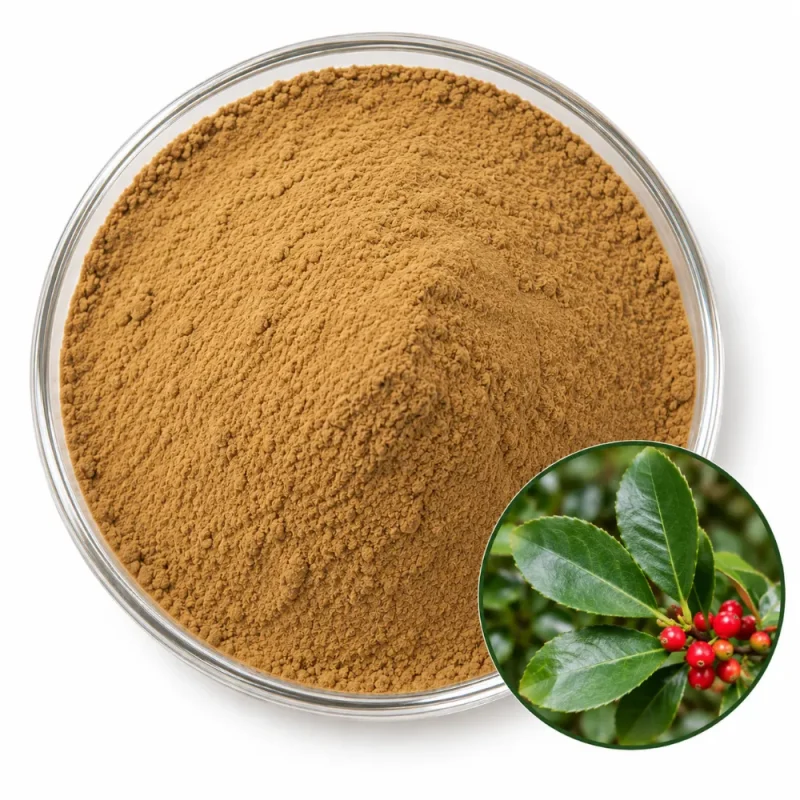
Yerba Mate Extract 8–20% Caffeine
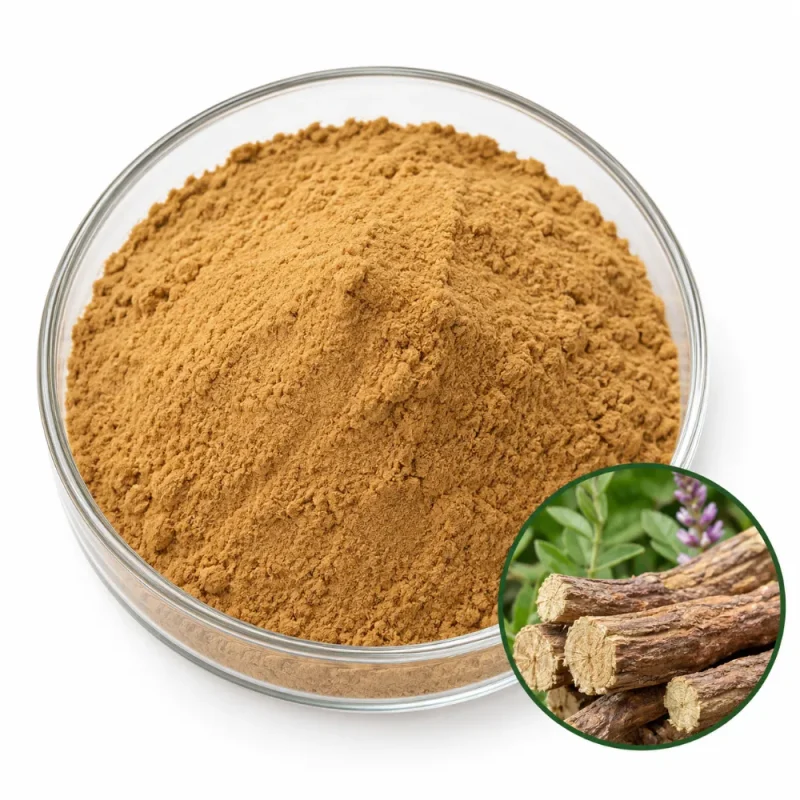
Licorice Extract 20% Glycyrrhizic Acid

Garlic Extract 1–5% Allicin / Alliin
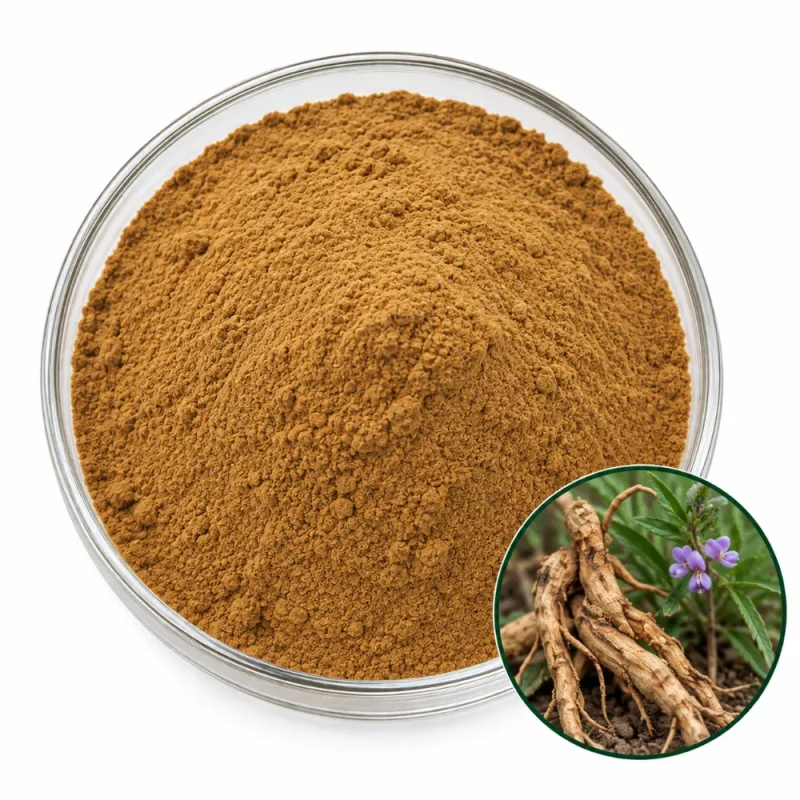
Polygala Tenuifolia Extract 5–20% Onjisaponins
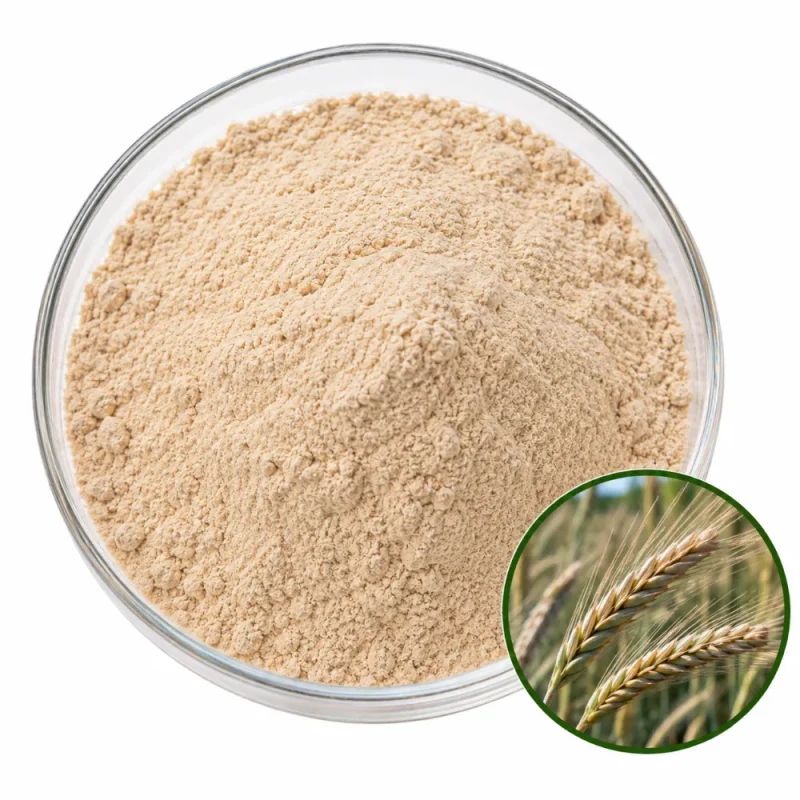
Rye Beta Glucan Powder
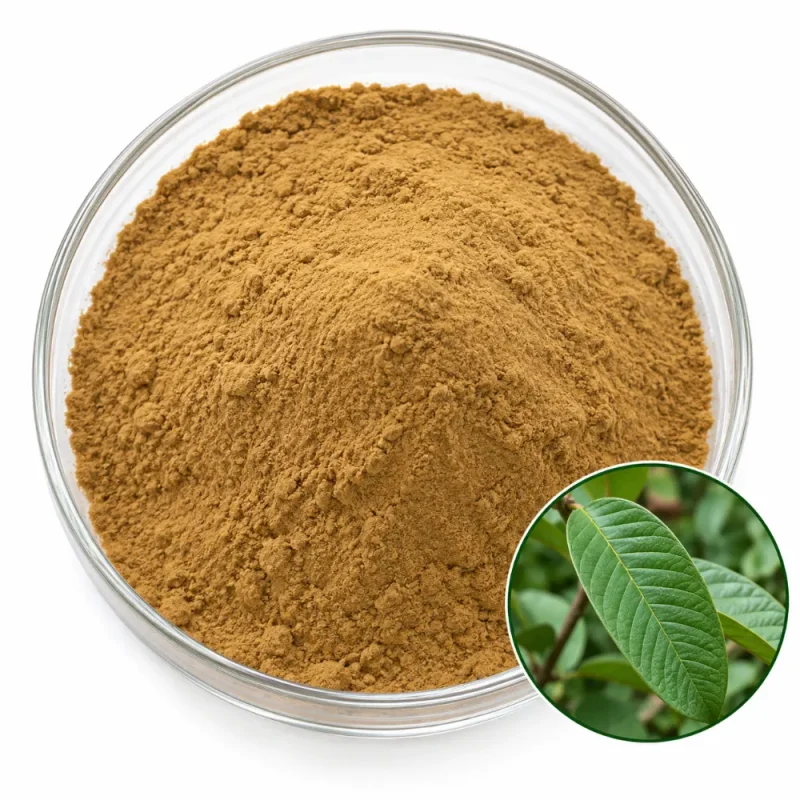
Guava Leaf Extract 20% Polyphenols
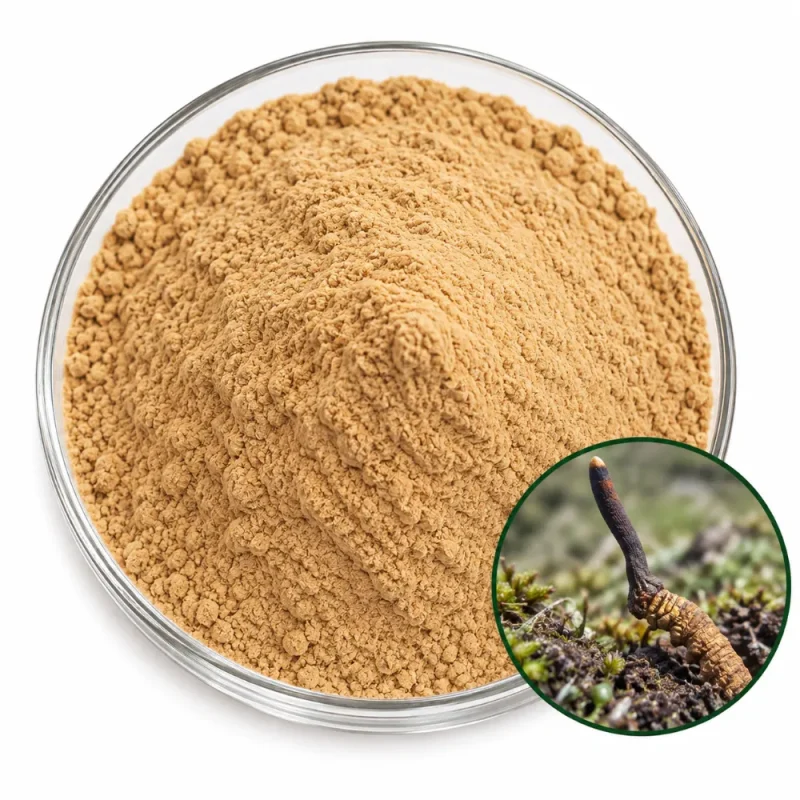
Cordyceps sinensis Polysaccharide Powder

Coptis Extract 20–50% Berberine

Acerola Cherry Extract 17–25% Natural Vitamin C
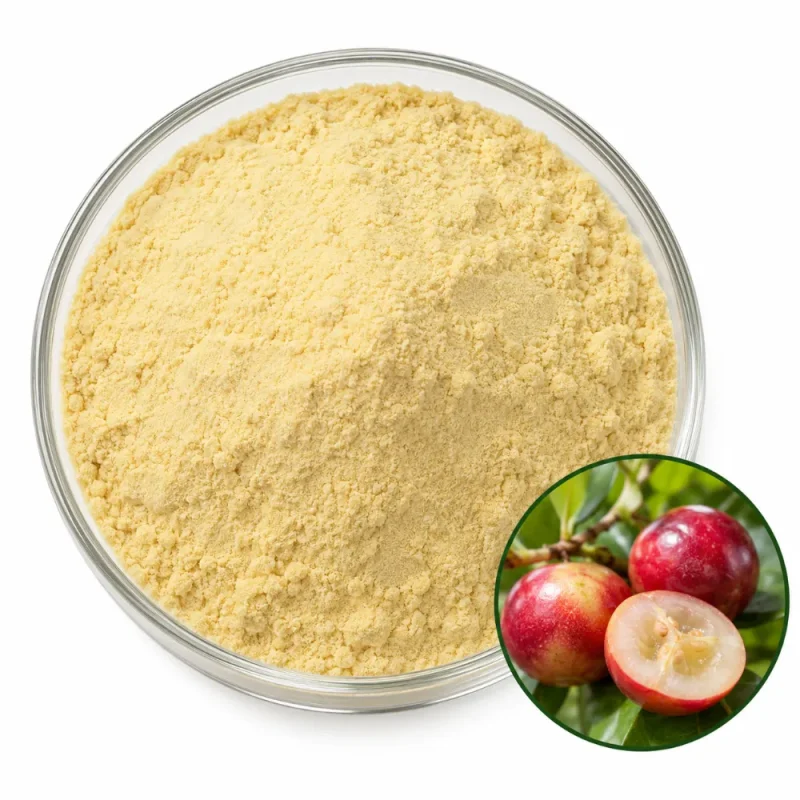
Camu Camu Extract 10–25% Natural Vitamin C
FAQ
Extract or powder for a beauty gummy?
Usually a concentrated extract, because gummies have little space for bulky powders. Taste and color still need testing.
Can you supply botanicals with a defined anthocyanin or polyphenol level?
Yes, through our standardized extracts. State the marker and test method you need.