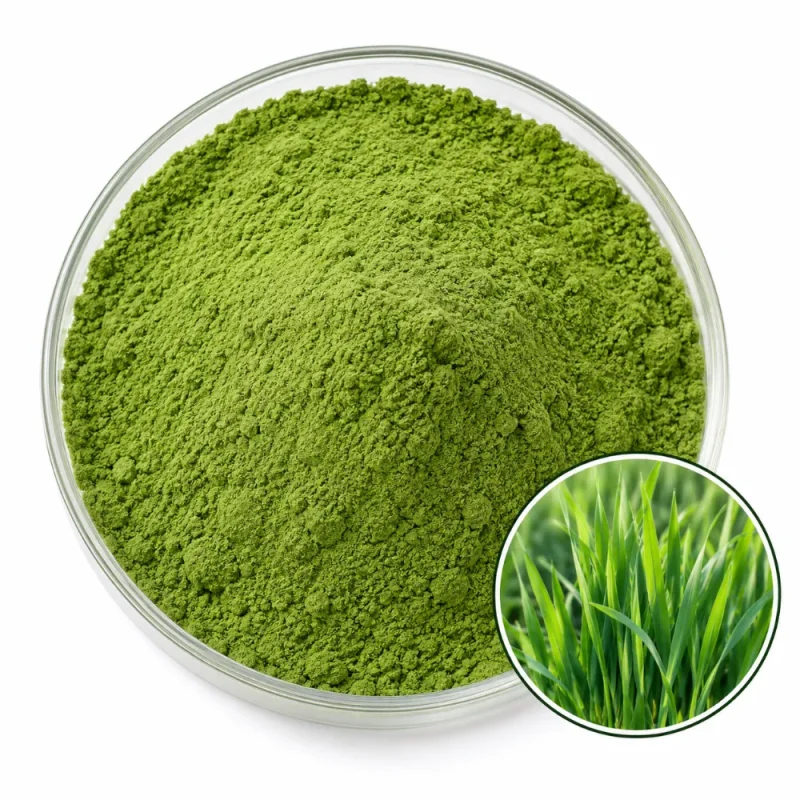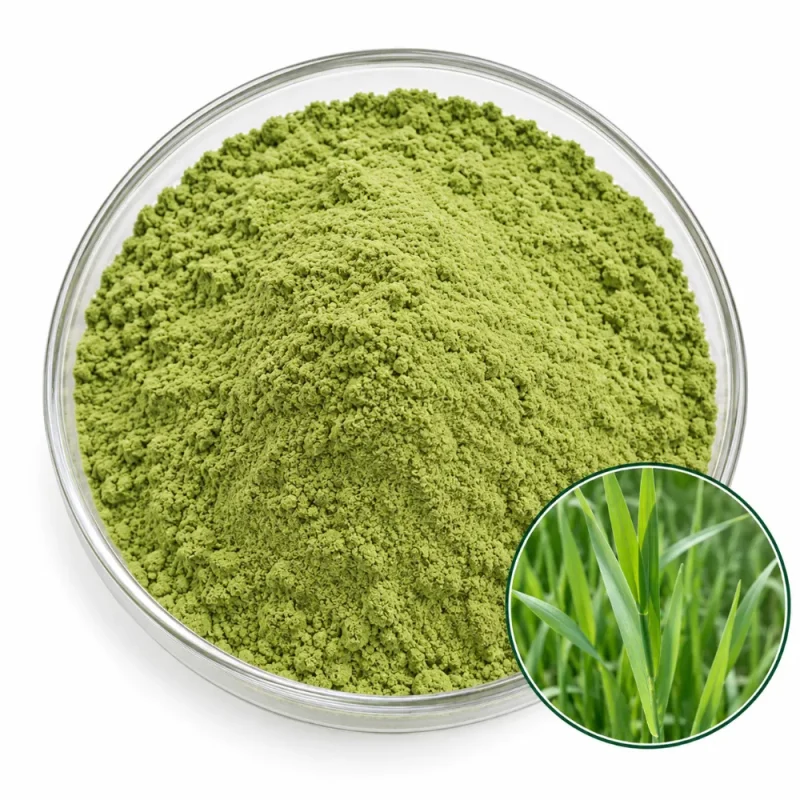
Oat Grass Powder

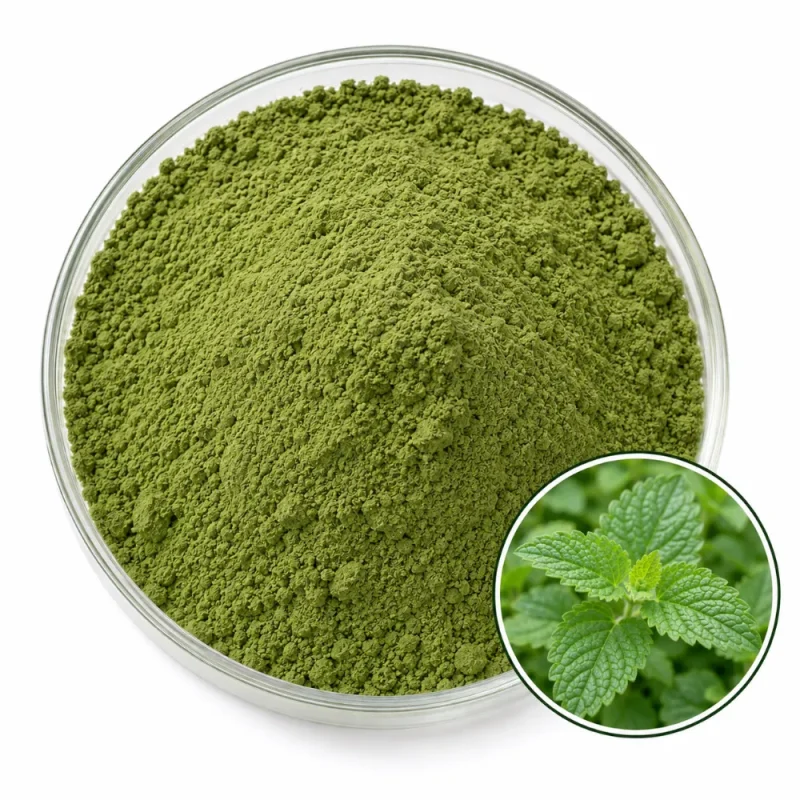
Oat grass, the young green shoot of the cereal Avena sativa, is cut before the grain forms, dried and milled into this green powder with a sweet, fresh-hay smell. The material is the leafy grass and not the oat grain, so it differs from oat flour, oat bran and rolled oats.

Oat grass powder is supplied at 80 mesh, with 40, 60 and 100 mesh optional, and has a mild, sweetish grassy odor and a fresh, slightly vegetal taste. It is raw milled grass rather than an extract, so inclusion rates are higher and the leafy character is stronger than in the extract form.

Avena sativa Raw Material & Plant Part

The botanical name is Avena sativa L., family Poaceae, the common oat. The raw material for oat grass powder is the dried green leaf and young stem of the plant, harvested at the stage before seed heads form, dried and milled. The grain, the bran and the straw of the mature plant are not part of this material.

The part and the harvest stage define the product. Oat grass is a young, leafy plant that resembles cereal grass in the field, whereas oat straw is the dry stalk after the grain is harvested, and oat grain is the seed with its starch and bran. Each is a separate ingredient with different color, taste and composition, and buyers who read only the word oat can end up with the wrong one.

Wild oat, Avena fatua, is a related weed and is not the species used. Oat grass is known as a green leaf material with chlorophyll, fiber and plant sterols, and some saponins typical of oats are described in the literature.

Cut at the leafy stage, oat grass is tender and rich in chlorophyll, and it is dried quickly to hold its color. Later cutting gives a coarser, paler, more fibrous material, so the harvest stage is the main variable that distinguishes one lot of oat grass powder from another.
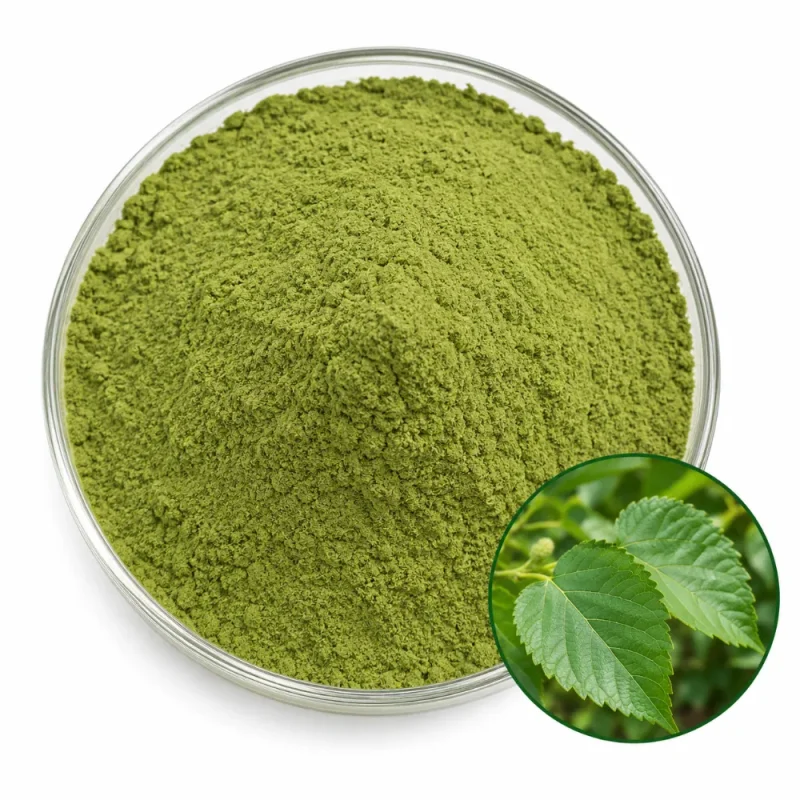
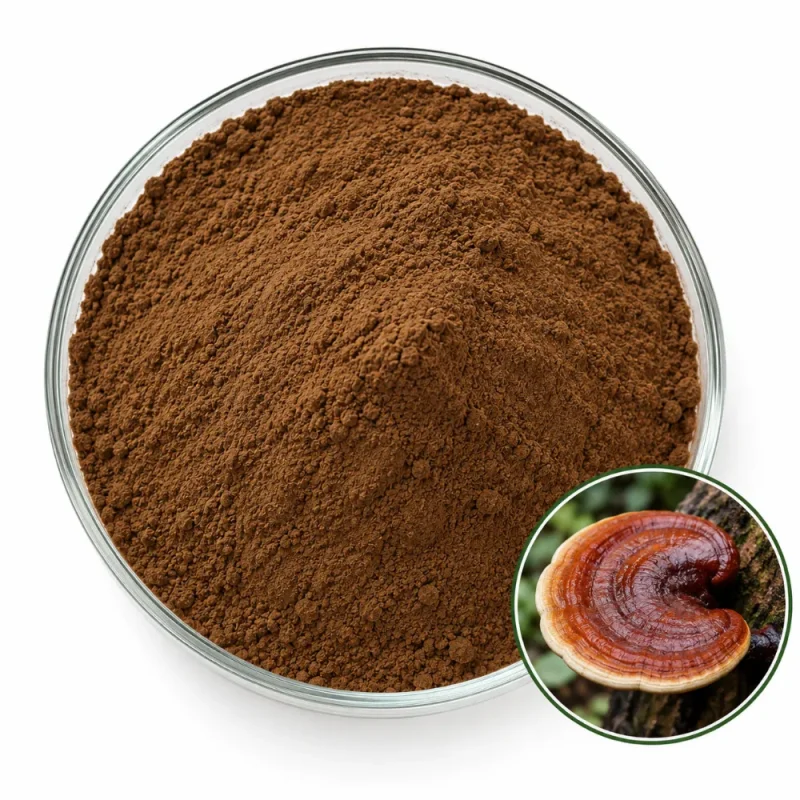
Oat Grass Powder vs Extract

FormWhat It IsChoose It When
Oat Grass PowderMilled dried young green plantGreen leaf color and fiber from the cereal grass
Oat PowderMilled oat grain, a different partCereal flavor and starch from the seed are wanted
Oat Bran PowderMilled outer layers of the grainA fiber-rich grain fraction is wanted
Oat Seed Extract PowderWater-extracted oat seed with the fiber removedA soluble seed-derived extract is wanted

The grass powder keeps the leaf fiber, chlorophyll and the minor constituents of the green plant, at their natural, lower concentration. Inclusion rates are higher than for an extract, the color is a clear green, and the powder only disperses in liquids, with fine green fiber that settles.

The three siblings come from the same species but from another part of the plant, the grain, and none of them delivers the green color of the grass. Oat powder and oat bran add starch, beta-glucan-bearing fiber and a cereal flavor, while the seed extract is soluble and mild. Choose oat grass powder when the green, leafy young plant is the specification.

The taste confirms the difference. Oat grass is sweet and grassy, while the grain forms taste of toasted cereal, so recipes that need green color and freshness use the grass, and recipes that need body use the grain.

Oat grass powder is also a lighter material than the grain forms. A given weight fills a much larger volume, which matters for pack size and capsule fill, while oat powder and oat bran are dense, flowing cereals.

Typical Specifications

Specification ItemProduct Information
Latin NameAvena sativa
Plant PartLeaf & Herb
ProcessingMilled
Common NameOat grass, young oat plant, green oat
Raw MaterialDried young leaf and stem
Ingredient TypeMilled Powder
AppearanceGreen powder (natural color of the dried material)
Odor & TasteSweetish, fresh-hay odor; mild, grassy taste
Solubility / DispersibilityWater Dispersible
Quality Parameters
Moisture (LOD)≤8.0%
Particle Size80 mesh (40 / 60 / 100 mesh optional)
Heavy MetalsLead ≤2 ppm · Arsenic ≤1 ppm · Cadmium ≤1 ppm · Mercury ≤0.1 ppm
MicrobiologyTPC ≤10,000 cfu/g · Yeast & Mold ≤1,000 cfu/g · E. coli Negative · Salmonella Negative/25 g
Shelf Life24 months in unopened original packaging, cool and dry storage

Application Areas

Green grass smoothie mixes

Oat grass powder is a base for green drink mixes alongside barley grass, wheatgrass or spinach. The sweetish grass note is mild enough to need little masking, and the powder is stirred or shaken into the cup so the fiber stays suspended.

Green juice-style stick packs

Powder sticks combine oat grass with citrus, apple or pineapple powders. The acid in fruit powders dulls chlorophyll over time, so green sticks are packed in opaque, moisture-proof film and tested for color after storage.

Dough and snack colorants

Crackers, noodles and snack doughs take the powder for a soft green tint. The color is gentle and fades toward olive in the oven, so the inclusion rate is fixed after a baking trial. A fine mesh gives an even tint without visible specks.

Capsule and tablet green blends

Fills use the powder in blends with other green powders. Flow is fair but the density is low, so shell size limits the weight per unit, and a binder is needed for tablets because the fiber compresses poorly.

Handling & Blending Notes

Dried grass powder is light and fluffy. Its bulk density is low, it dusts at open transfers, and it clings to scoops through static charge in dry rooms. Covered hoppers, local extraction and gentle handling keep the green dust off equipment, and anti-static tools help with the finest grades.

The fiber is hygroscopic, and open packs take up moisture and cake. Barrier bags, dry weighing areas and quick resealing preserve flow, and the clumped material is screened out and not reground. Moisture also speeds up the loss of green color and the growth of off-notes, so the store is kept cool and dry.

Chlorophyll is the quality marker. A bright green tone points to gentle drying and careful storage, while a dull olive-brown tone points to heat or light damage. Opaque packs protect the color, and opened containers are resealed at once. Fine grades suspend better in drinks but are harder to move through hoppers, so mesh is chosen by the format and not by color alone.

Oat grass powder is best stored in opaque, sealed packs because light bleaches the green within weeks. Small working containers reduce repeated opening of the main stock, and a cool, dry store keeps the grassy note from turning stale.

Packaging & Commercial Supply

Essencefield supports product evaluation, formulation trials, commercial orders, and ongoing ingredient supply. Packaging, storage, and shipping arrangements are determined by product characteristics, order quantity, stability requirements, and destination-market needs.

Supply ItemGeneral Information
SampleAvailable upon request for formulation, testing, and supplier evaluation
Order Quantities100 g · 1 kg · 5 kg · 25 kg · 100 kg · 500 kg · Bulk
Sample Lead TimeTypically 5–7 days after sample confirmation
Production Lead TimeTypically 15–30 days after order and specification confirmation
PackagingSuitable protective inner packaging with bags, cartons, drums, or other appropriate outer packaging
StorageStore in tightly sealed, suitable protective packaging in a cool, dry environment. Protect from moisture, heat, and direct sunlight. Specific storage conditions follow the approved product specification.
DocumentationCOA · Product Specification · TDS · SDS · Applicable declarations (as applicable)

Final order quantities, lead times, packaging, documentation, and shipping arrangements are confirmed according to the selected product and commercial requirements.

Request Ingredient Specifications & Quote

Share your target specification, application, quantity, and documentation needs. We’ll help confirm suitable options, samples, and commercial supply details.