Bupleurum Root Powder

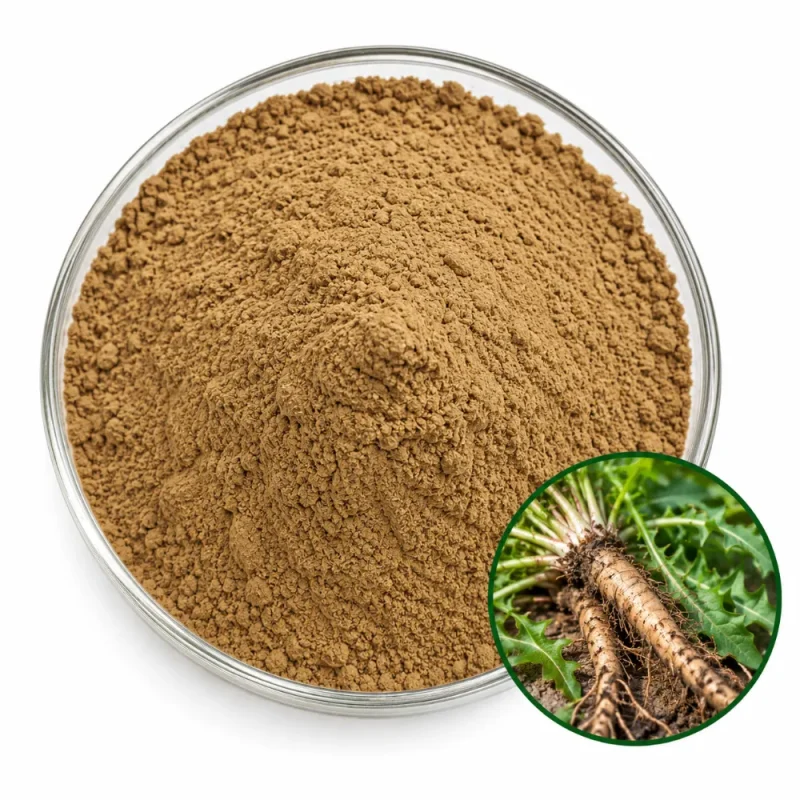
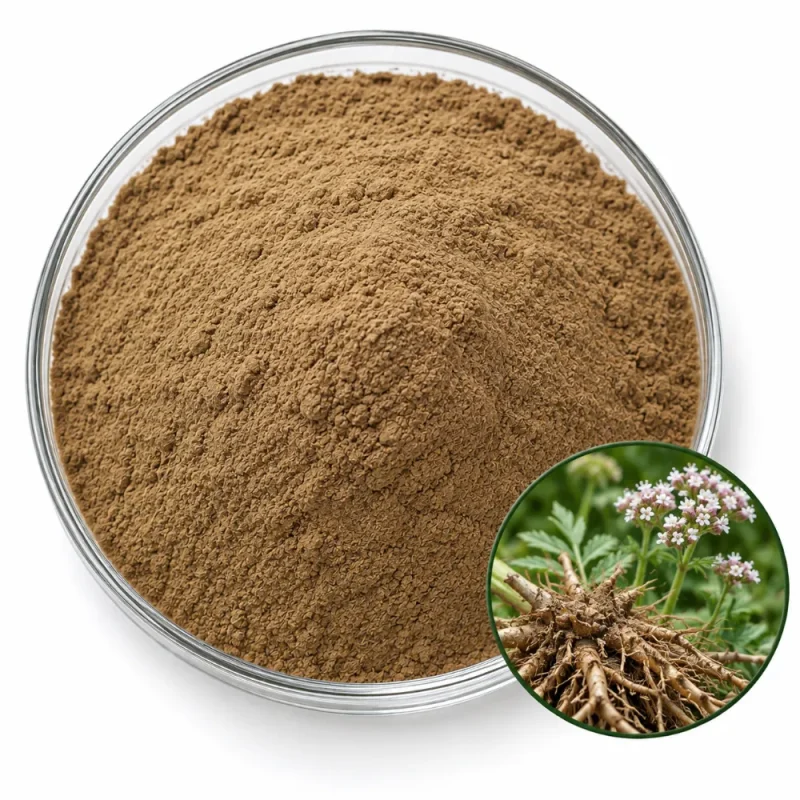
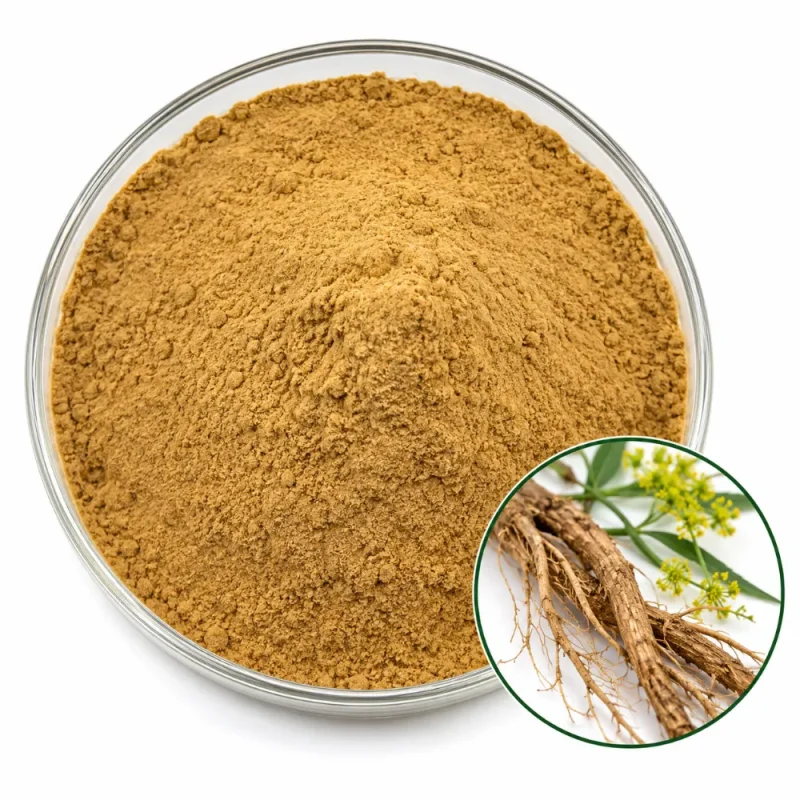
Bupleurum root, taken from Bupleurum chinense, the northern Chinese thorowax, is washed, sliced and dried before it is milled into a light brown powder with a faintly aromatic, bitter character. Only the root is used, so the stem, leaf and flowering umbels are not part of the material.

Bupleurum root powder is supplied at 80 mesh, with 40, 60 and 100 mesh optional, and has a mild, woody and aromatic odor with a bitter, slightly acrid taste. It is raw milled root rather than an extract, so inclusion rates are higher and the bitterness is more direct than in the extract forms.

Bupleurum chinense Raw Material & Plant Part

The botanical name is Bupleurum chinense DC., family Apiaceae, known as Chinese thorowax or by its herbal name chai hu. The raw material is the dried root, which is dug up, trimmed of its aerial remnants, washed, sliced and dried before milling. Leaves, stems and flowers are not included.

The genus is large, and the species matter. Chinese pharmacopoeial practice lists Bupleurum chinense (northern chai hu) together with Bupleurum scorzonerifolium (southern chai hu). Bupleurum falcatum is the Japanese species used in kampo. Bupleurum longiradiatum, the large-leaf thorowax, is a different plant that is not accepted in the pharmacopoeia and is regarded as toxic, so identification of the root is a safety issue as well as a labeling point.

The root is known for triterpenoid saponins called saikosaponins, mainly saikosaponins a, c and d, as well as essential oil, plant sterols and polyacetylenes. Saponins make the root foam in water.

Roots are harvested from cultivated plants in autumn or early spring, after at least a year of growth, and are dried slowly to retain their aromatic character.

Color and texture reflect the root. The cut root is yellowish-brown outside and pale inside, with a fibrous, woody structure that mills to a light brown powder with visible fibers in the coarse grades.
Bupleurum Root Powder vs Extract

FormWhat It IsChoose It When
Bupleurum Root PowderMilled dried root with its fiberWhole-root inclusion in decoction mixes and capsules
Bupleurum Root Extract PowderWater-extracted root with the fiber removedA soluble format at a lower inclusion rate
Bupleurum Chinense Extract 5–40% SaikosaponinsRoot extract standardized to a saikosaponin rangeA defined saponin content is required
Saikosaponin A 98%Purified single saponin reference gradeAn isolated compound is needed

The root powder keeps the fiber, the saponins and the essential oil at their natural, lower concentration. Inclusion rates are therefore higher than for an extract, the bitter taste is direct, and the powder only disperses in liquids because the cellulose fraction stays in.

The extract powder concentrates the soluble fraction, so it dissolves better and carries less woody fiber. The standardized extract is selected for its defined saikosaponin content, and the single saponin is a chemical reference ingredient and not a botanical. Choose the root powder when the whole root is the material of the specification.

A visible difference is foaming. Bupleurum root powder produces a light froth when stirred into water, because of its saponins, which is a point to check in filling operations.

Bupleurum root powder suits users who prefer to see and weigh the whole root material and who accept its bitterness. The extract powder lowers the weight needed and reduces fiber in a drink, while the standardized extract serves formulas that must be built around a defined saponin level.

Typical Specifications

Specification ItemProduct Information
Latin NameBupleurum chinense
Plant PartRoot & Rhizome
ProcessingMilled
Common NameBupleurum, Chinese thorowax, chai hu
Raw MaterialDried root
Ingredient TypeMilled Powder
AppearanceLight Brown powder (natural color of the dried material)
Odor & TasteMild, woody, aromatic odor; bitter, slightly acrid taste
Solubility / DispersibilityWater Dispersible
Quality Parameters
Moisture (LOD)≤8.0%
Particle Size80 mesh (40 / 60 / 100 mesh optional)
Heavy MetalsLead ≤2 ppm · Arsenic ≤1 ppm · Cadmium ≤1 ppm · Mercury ≤0.1 ppm
MicrobiologyTPC ≤10,000 cfu/g · Yeast & Mold ≤1,000 cfu/g · E. coli Negative · Salmonella Negative/25 g
Shelf Life24 months in unopened original packaging, cool and dry storage

Application Areas

Herbal decoction and soup mixes

Bupleurum root powder is a traditional ingredient in herbal decoction bases and soup mixes with licorice, peony or jujube. The bitterness is rounded off by sweet partners, and the root fiber is strained or left to settle in the pot.

Capsule and tablet blends

Fills use the root powder as a fibrous, bitter material. The woody fiber compresses with a binder, and the bitter taste is hidden by the shell or coating, so chewable formats are not used. A pilot fill sets the real weight per shell.

Dry herbal tea-style blends

Coarse 40 or 60 mesh grades go into infusion blends where the root is steeped and strained out. A little sweetener or dried fruit softens the acrid edge, and the cup is clear with fine sediment. Steeping time is kept short to limit the bitterness.

Powder sticks with sweet bases

Powder sticks combine bupleurum with honey powder, jujube or malt for a drinkable bitter-sweet blend. A fine mesh disperses better, and stirring with warm water keeps the saponin foam in check. Sealed sticks protect the bitter powder from humidity until use.

Handling & Blending Notes

Saponins shape the behavior of bupleurum root powder. When the powder meets water, a persistent froth forms, especially in warm, stirred liquids, which interferes with filling and mixing. Low-shear stirring, premixing with sugar or another dry carrier and adding the powder gradually keep the foam under control.

The root fiber is tough and slightly sticky when damp. The powder cakes in open bags and bridges in narrow hoppers, so barrier packaging, dry weighing rooms and quick resealing are standard controls. Fine dust is mildly irritating when airborne, and local extraction at the scoop keeps it out of the air.

Aroma and bitterness fade or sharpen with storage. Light, warmth and air dull the essential oil, while moisture raises the risk of off-notes, so opaque packs and cool storage protect the powder. Mesh follows the format, with 80 mesh for capsules and dry blends and 40 or 60 mesh for steeping bags. Opened containers are resealed at once.

Cleaning is a practical point. Saponins leave a soapy residue on stainless steel and filling lines, so equipment is rinsed and dried after bupleurum runs, and shared lines are scheduled so that the foaming powder does not follow a foam-sensitive product.

Packaging & Commercial Supply

Essencefield supports product evaluation, formulation trials, commercial orders, and ongoing ingredient supply. Packaging, storage, and shipping arrangements are determined by product characteristics, order quantity, stability requirements, and destination-market needs.

Supply ItemGeneral Information
SampleAvailable upon request for formulation, testing, and supplier evaluation
Order Quantities100 g · 1 kg · 5 kg · 25 kg · 100 kg · 500 kg · Bulk
Sample Lead TimeTypically 5–7 days after sample confirmation
Production Lead TimeTypically 15–30 days after order and specification confirmation
PackagingSuitable protective inner packaging with bags, cartons, drums, or other appropriate outer packaging
StorageStore in tightly sealed, suitable protective packaging in a cool, dry environment. Protect from moisture, heat, and direct sunlight. Specific storage conditions follow the approved product specification.
DocumentationCOA · Product Specification · TDS · SDS · Applicable declarations (as applicable)

Final order quantities, lead times, packaging, documentation, and shipping arrangements are confirmed according to the selected product and commercial requirements.

Request Ingredient Specifications & Quote

Share your target specification, application, quantity, and documentation needs. We’ll help confirm suitable options, samples, and commercial supply details.