Dehydrated Onion Processing
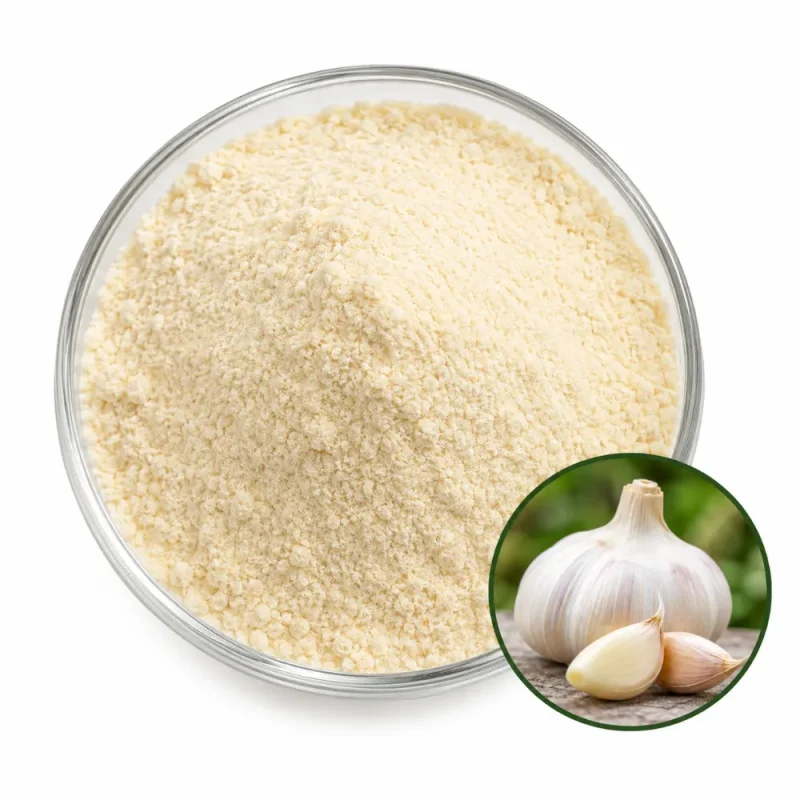
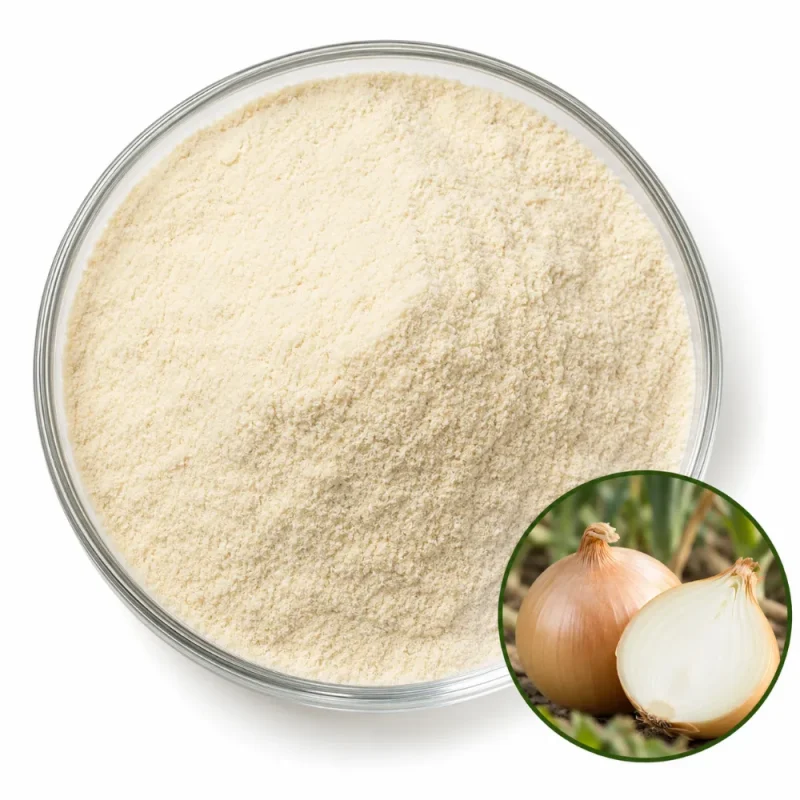
The species is Allium cepa L., the common onion, a biennial bulb vegetable of the amaryllis family (Amaryllidaceae). Garlic, Allium sativum, leek, Allium porrum, and chive, Allium schoenoprasum, are related species with different sulfur flavors and are sold as separate ingredients. Yellow, white and red onions are cultivar groups of the same species. The part used is the swollen bulb of fleshy scales.
The raw material is fresh onion. Bulbs are peeled, sliced, dried in warm air and ground to a fine powder. Nothing is extracted, pressed or added, and the powder is simply the dried bulb. Hot-air dehydration drives off the lachrymatory factor that makes eyes water, so the powder tastes of cooked onion and not of sharp raw bulb.
Onion is a high-sugar vegetable, and its sugars are largely fructans, the storage carbohydrates of the genus. During drying they brown slightly, which gives the powder a roasted, caramel-like background. Variety and harvest timing change the sweetness and pungency of the dried material, so the flavor is described by character and not by a stated strength.
Powder is only one form of dried onion. Minced, chopped and granulated onion are coarser products chosen for visible texture and slower flavor release, while this 80 mesh powder disperses quickly and delivers flavor without pieces. The finer the grind, the faster the sulfur notes are released and the faster they fade in storage.
Onions are harvested when the tops fall over and the bulbs cure in the field, and cured bulbs store for months. That storage allows year-round supply of a vegetable that would otherwise be seasonal, and dehydration extends the shelf life further.