Dehydrated Pumpkin Processing
The species is Cucurbita moschata (Duchesne) Duchesne ex Poir., the butternut or tropical pumpkin group, a trailing vine of the gourd family (Cucurbitaceae). “Pumpkin” is a loose trade name covering several species. The jack-o’-lantern pumpkin is mostly Cucurbita pepo, giant show pumpkins are Cucurbita maxima, and butternut squash and many canned-pumpkin varieties are C. moschata. The species name therefore defines which fruit is meant.
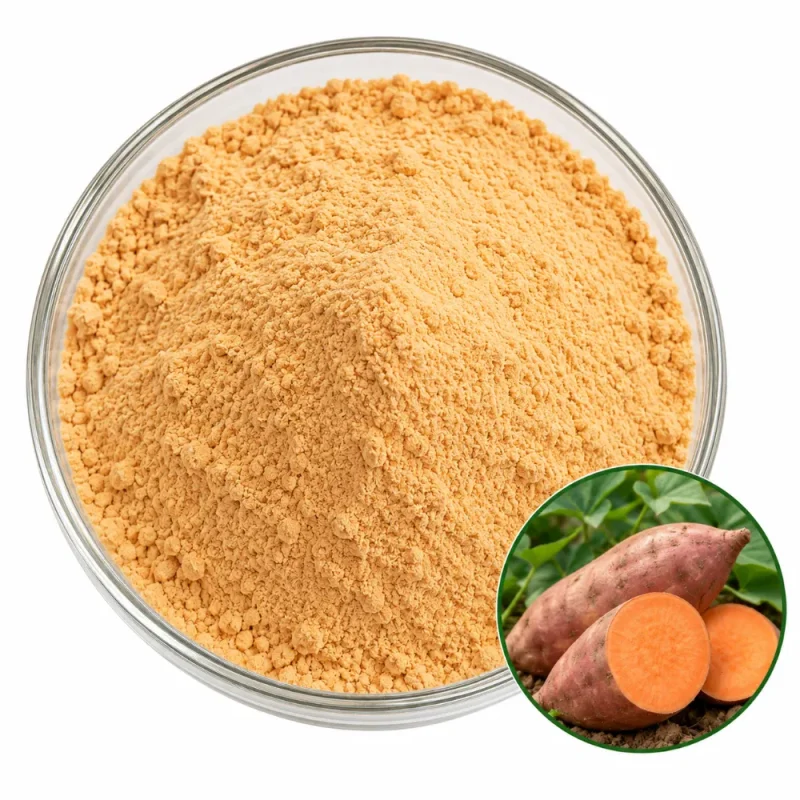
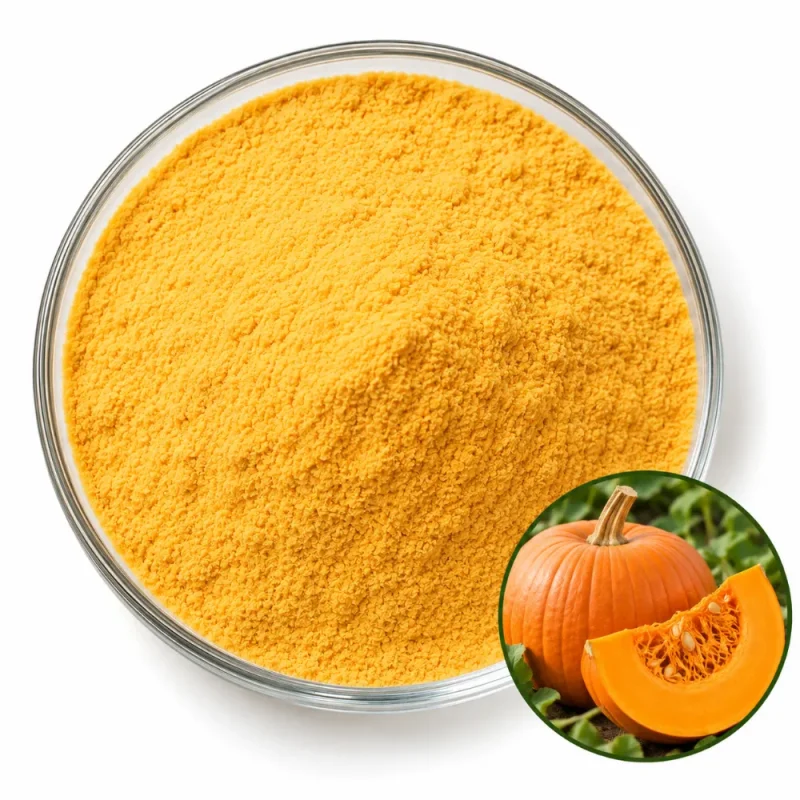
The raw material is fresh pumpkin flesh. Fruit is washed, peeled, deseeded, cut and dried in warm air, then ground to a powder. Starch gelatinizes during drying, which gives the powder an easy-to-hydrate thickening ability that raw starch lacks. Heat also deepens the orange and develops a roasted-squash sweetness.
Pumpkins are harvested in autumn when the rind hardens and the flesh turns deep orange, and fruit stores well for months. Longer storage converts some starch to sugar, which makes late-season flesh sweeter. Fruit of different cultivars varies in sweetness and fiber, so the powder is described by color and taste and not by variety.
Because the rind and seeds are removed, the powder is smooth and free of fiber fragments. The pale starchy flesh near the cavity lightens the color slightly, so blends of outer and inner flesh give a yellow-orange powder and not a deep orange one.