Senna obtusifolia Raw Material & Plant Part
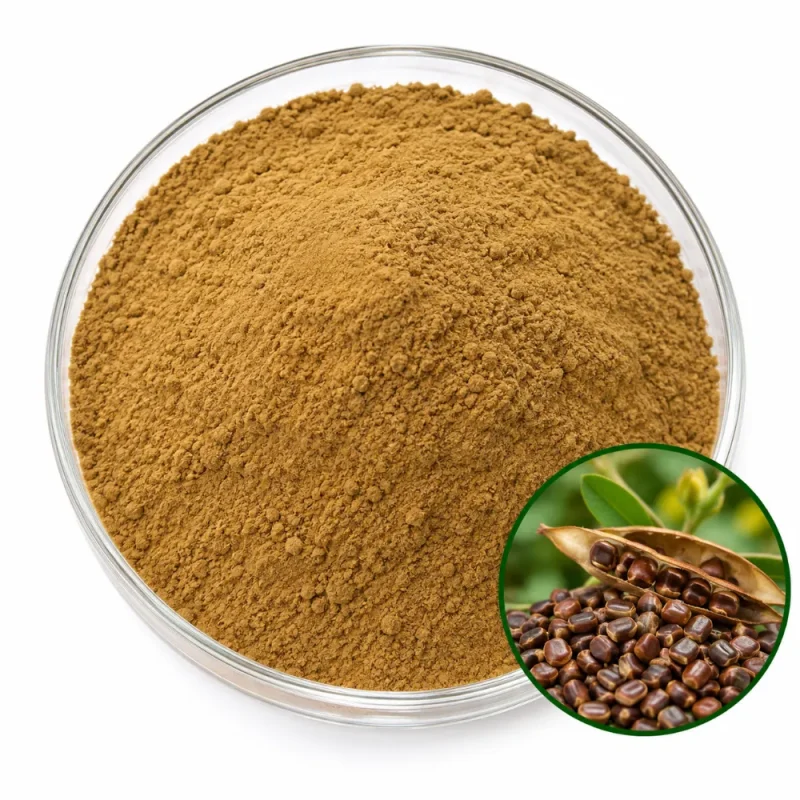
The botanical name is Senna obtusifolia (L.) H.S.Irwin & Barneby, family Fabaceae, also written Cassia obtusifolia in older sources, and known as sicklepod or by its herbal name jue ming zi. The raw material is the dried seed, a small, hard, rhombic and glossy seed taken from the long, slender pods of the plant. Pods, leaves and roots are not part of the powder.
The word cassia causes confusion. Cassia bark is the bark of Cinnamomum cassia, a tree in the laurel family, and it has no relation to this seed. Within the senna genus, Senna tora, the sickle senna, produces a smaller seed that Chinese pharmacopoeial practice lists next to Senna obtusifolia, and the two seeds are traded as large and small cassia seed. The species name and the seed as the part define this ingredient.
The seed is known for anthraquinones such as chrysophanol, physcion, obtusin and aurantio-obtusin, and for naphthopyrone glycosides. Anthraquinones are strongly colored, and they are under regulatory attention in some markets, so formulators check local rules for the finished product.
Seeds are harvested when the pods turn dark and dry, threshed and cleaned, and the hard seed coat means that milling takes more energy than for leaf or flower materials.
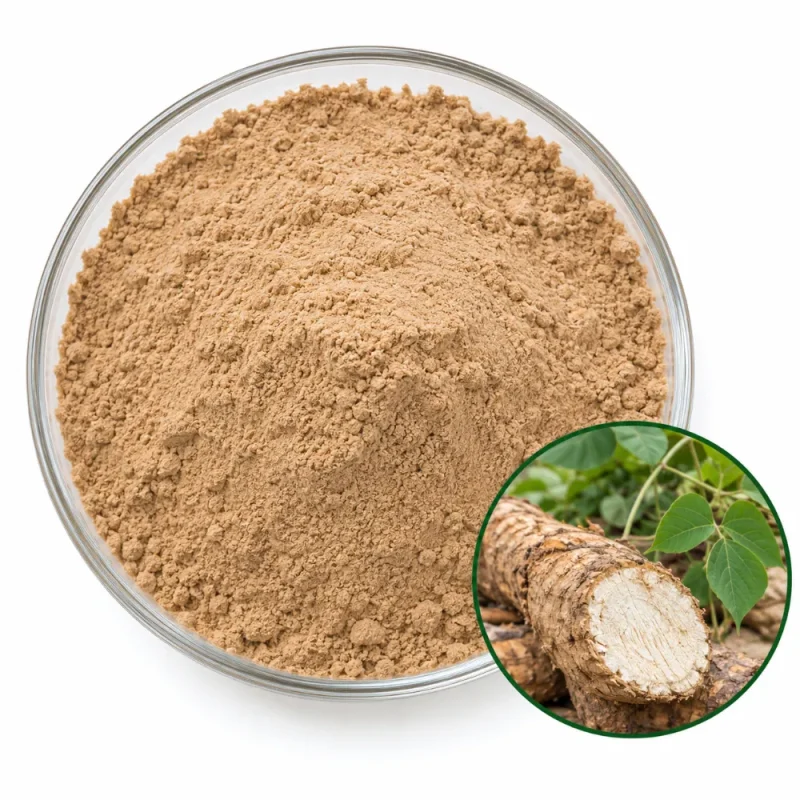
The seed is glossy, brownish-green to dark brown and rhombic, with a pale line on each side. Once milled, the seed coat gives a light brown powder with darker flecks, and the endosperm contributes a pale, gummy fraction that holds water.