Devil’s Claw Root Powder

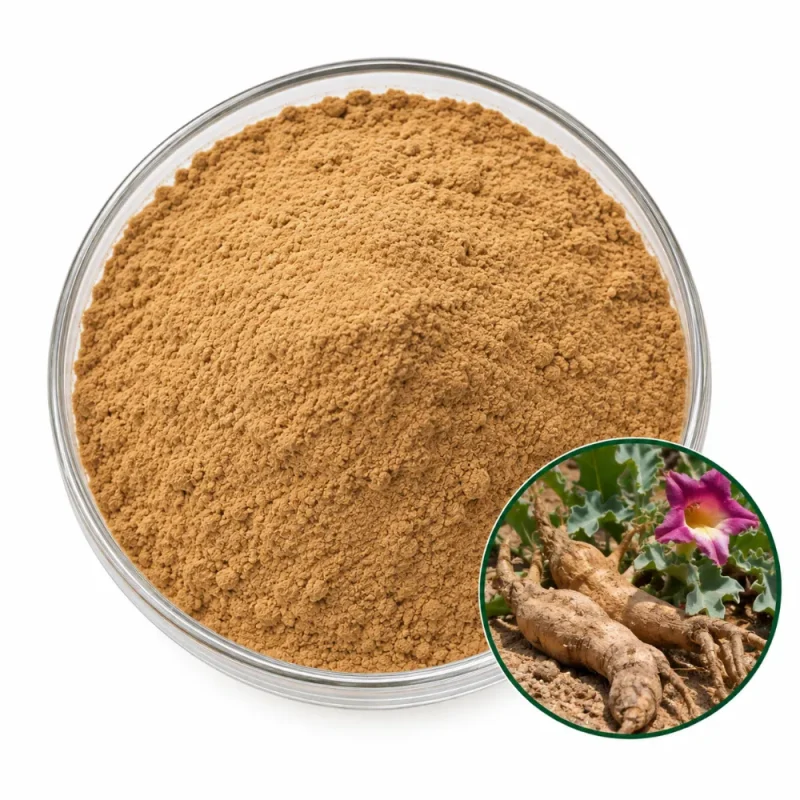
Devil’s claw, the creeping desert plant Harpagophytum procumbens, supplies the dried secondary roots that are milled into this light brown powder with an earthy smell and an intensely bitter taste. Only the root tubers are used, so the hooked fruits that give the plant its name are not part of the material.

Devil’s claw root powder is supplied at 80 mesh, with 40, 60 and 100 mesh optional, and has a faint, earthy and slightly sweet odor with a lasting, very bitter taste. It is raw milled root rather than an extract, so inclusion rates are higher and the bitterness is more direct than in the extract forms.

Harpagophytum procumbens Raw Material & Plant Part

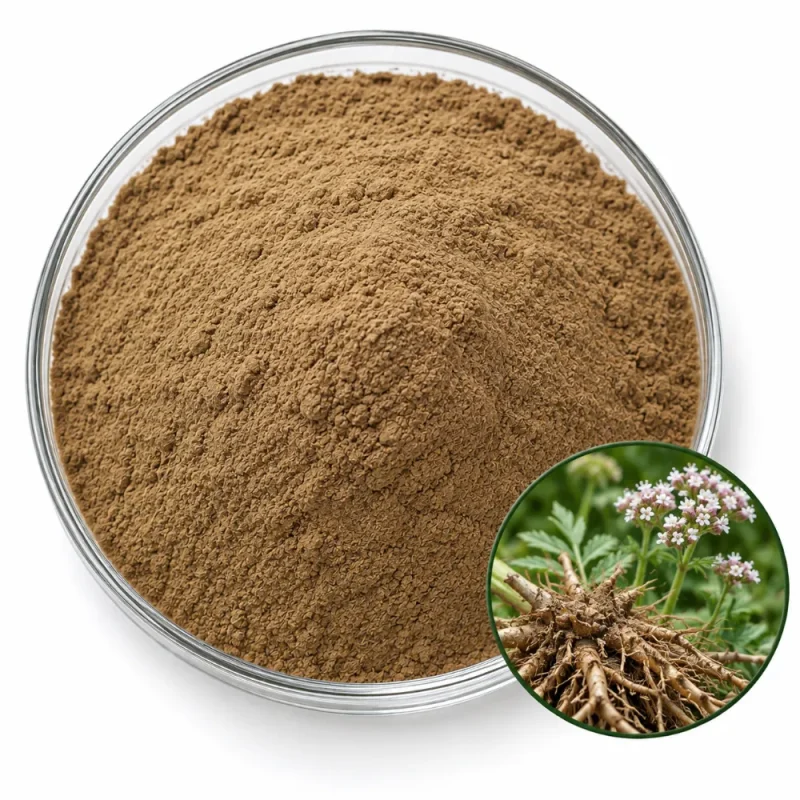
The botanical name is Harpagophytum procumbens (Burch.) DC. ex Meisn., family Pedaliaceae, known as devil’s claw or grapple plant, after the woody fruit covered in hooks. The raw material is the dried secondary root, the swollen storage tubers that grow off the main root. These tubers are lifted, sliced into thin pieces and sun-dried before milling, while the main taproot, the leaves and the fruits are not used.

The part and the species are both critical. Harpagophytum zeyheri is a closely related species with its own range and with a different marker profile, and the two roots are sometimes mixed in trade. A specification that states H. procumbens and the secondary tuber avoids this confusion and defines the ingredient more exactly than the words devil’s claw alone.

The tubers are known for iridoid glycosides, mainly harpagoside, harpagide and procumbide, which carry the strong bitterness of the root, and for phenylethanoid glycosides such as verbascoside and for flavonoids.

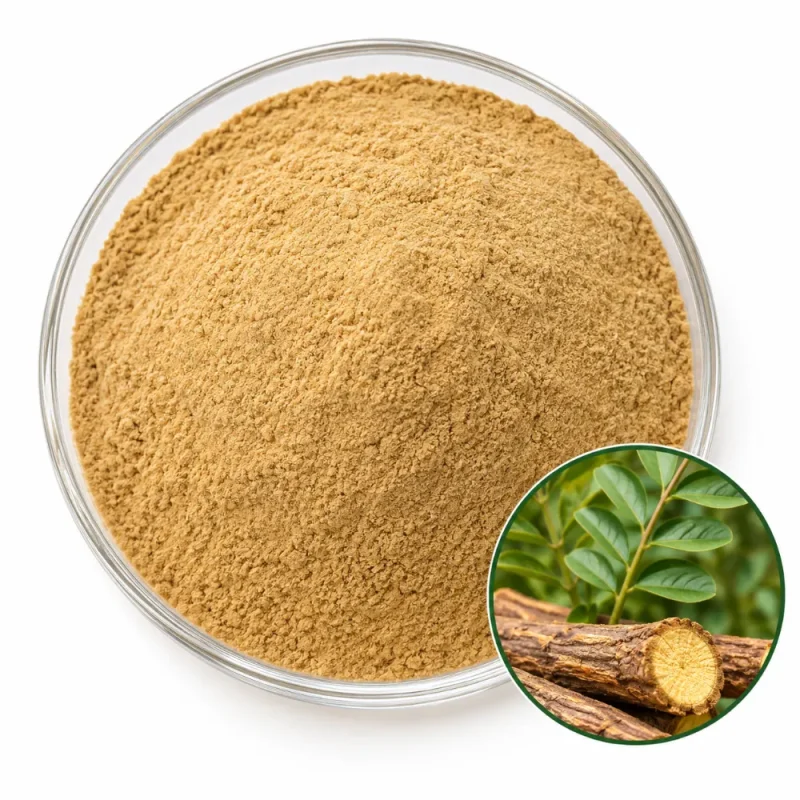
Harvest and drying matter for the powder. Thin slices dry quickly and keep their pale brown interior, while thick or damp pieces darken and develop musty notes. The cut surface of dried pieces is gray-brown with a wrinkled, fibrous look, and the milled powder is correspondingly light brown with darker flecks.
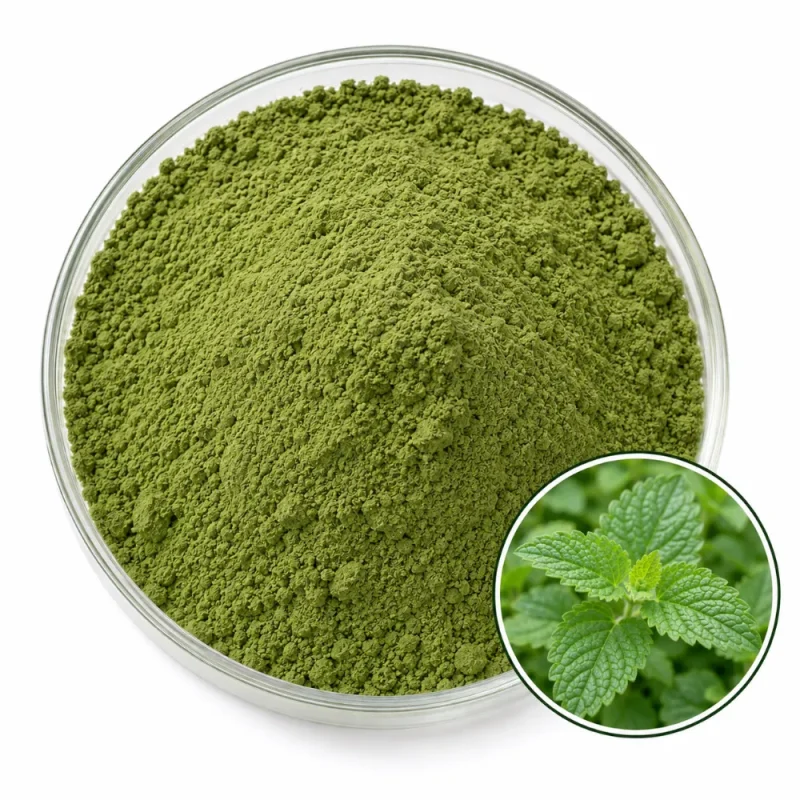
Devil’s Claw Root Powder vs Extract

FormWhat It IsChoose It When
Devil’s Claw Root PowderMilled dried secondary root with its fiberWhole-root inclusion in blends and capsules
Devil’s Claw Extract PowderWater-extracted root with the fiber removedA soluble format at a lower inclusion rate
Devil’s Claw Extract 2.5–5% HarpagosideRoot extract standardized to a harpagoside rangeA defined marker content is required
Harpagoside 98%Purified single iridoid glycoside reference gradeAn isolated compound is needed

The root powder keeps the fiber, the glycosides and the minor constituents together at their natural, lower concentration. Inclusion rates are higher than for an extract, the bitterness is direct, and the powder only disperses in liquids.

The extract powder concentrates the water-soluble fraction and dissolves more cleanly, with less woody fiber. The standardized extract is selected for its harpagoside content, and the 98% grade is a purified chemical reference ingredient. Choose the root powder when the whole dried tuber is the material of the specification.

Taste is the practical divider for devil’s claw. The powder is bitter and slightly earthy, and in a capsule or a coated tablet the bitterness never reaches the mouth. In a liquid, the extract is usually easier to mask than the powder because of its smaller dose by weight.

Devil’s claw root powder is therefore the form for products in which the whole dried tuber matters, such as traditional herbal blends and capsules. The extract powder and the standardized extract serve formulas that need a lower dose or a defined harpagoside content, and neither replaces devil’s claw root powder in a whole-root specification.

Typical Specifications

Specification ItemProduct Information
Latin NameHarpagophytum procumbens
Plant PartRoot & Rhizome
ProcessingMilled
Common NameDevil’s claw, grapple plant
Raw MaterialDried secondary root (tuber)
Ingredient TypeMilled Powder
AppearanceLight Brown powder (natural color of the dried material)
Odor & TasteFaint earthy odor; very bitter taste
Solubility / DispersibilityWater Dispersible
Quality Parameters
Moisture (LOD)≤8.0%
Particle Size80 mesh (40 / 60 / 100 mesh optional)
Heavy MetalsLead ≤2 ppm · Arsenic ≤1 ppm · Cadmium ≤1 ppm · Mercury ≤0.1 ppm
MicrobiologyTPC ≤10,000 cfu/g · Yeast & Mold ≤1,000 cfu/g · E. coli Negative · Salmonella Negative/25 g
Shelf Life24 months in unopened original packaging, cool and dry storage

Application Areas

Coated tablets and capsules

Devil’s claw root powder is mostly used where a shell or a coating hides its bitterness. Capsule fills take the fibrous powder directly, and tablets need a binder and a film coat, so the bitter taste stays out of the mouth during swallowing.

Herbal tea-style blends

Coarse 40 or 60 mesh grades go into infusion blends with ginger, orange peel or cinnamon. Those partners soften the bitterness, and a short steeping time keeps the cup drinkable, with the fiber left behind in the bag.

Bitter botanical drink concentrates

Dry mixes for bitter-style drinks use a small share of the powder as a bitter component with citrus and spice flavors. The bitterness is persistent, so very low inclusion levels are enough, and trials are tasted at serving temperature.

Powder sticks with strong flavors

Powder sticks combine the root with cocoa, coffee-like roasted grain or ginger powders, which cover the bitter note. The fiber settles quickly, so the stick is stirred well, and a finer mesh gives the smoothest cup.

Handling & Blending Notes

The root fiber is tough and slightly sticky when damp. Devil’s claw root powder cakes in open bags in humid rooms and bridges in narrow hoppers, so barrier packaging, dry weighing areas and quick resealing are standard controls. Clumped material is screened out and not forced through the line.

Fine particles of the tuber are irritating to the nose and mouth when airborne, and the dust is intensely bitter, so extraction at the scoop and dust masks at open transfers are part of good practice. Equipment surfaces are wiped after use, since the bitter residue carries over into subsequent products.

Mesh choice follows the format. The 80 mesh grade suits capsules and dry blends, 40 and 60 mesh suit steeping bags, and 100 mesh disperses best in drink sticks but dusts more and flows less freely. The earthy note builds with age and with moisture, which is why sealed packs and a cool, dry store are used. Opened containers are resealed at once and used within a short time, since a half-used pack picks up humidity and odors from the room.

Devil’s claw root powder keeps best in sealed, opaque packs stored cool and dry. The dried slices pick up humidity easily, and once a pack is open the powder should be used within a short time, with the working container closed between scoops.

Packaging & Commercial Supply

Essencefield supports product evaluation, formulation trials, commercial orders, and ongoing ingredient supply. Packaging, storage, and shipping arrangements are determined by product characteristics, order quantity, stability requirements, and destination-market needs.

Supply ItemGeneral Information
SampleAvailable upon request for formulation, testing, and supplier evaluation
Order Quantities100 g · 1 kg · 5 kg · 25 kg · 100 kg · 500 kg · Bulk
Sample Lead TimeTypically 5–7 days after sample confirmation
Production Lead TimeTypically 15–30 days after order and specification confirmation
PackagingSuitable protective inner packaging with bags, cartons, drums, or other appropriate outer packaging
StorageStore in tightly sealed, suitable protective packaging in a cool, dry environment. Protect from moisture, heat, and direct sunlight. Specific storage conditions follow the approved product specification.
DocumentationCOA · Product Specification · TDS · SDS · Applicable declarations (as applicable)

Final order quantities, lead times, packaging, documentation, and shipping arrangements are confirmed according to the selected product and commercial requirements.

Request Ingredient Specifications & Quote

Share your target specification, application, quantity, and documentation needs. We’ll help confirm suitable options, samples, and commercial supply details.