Elderberry Juice Powder Processing
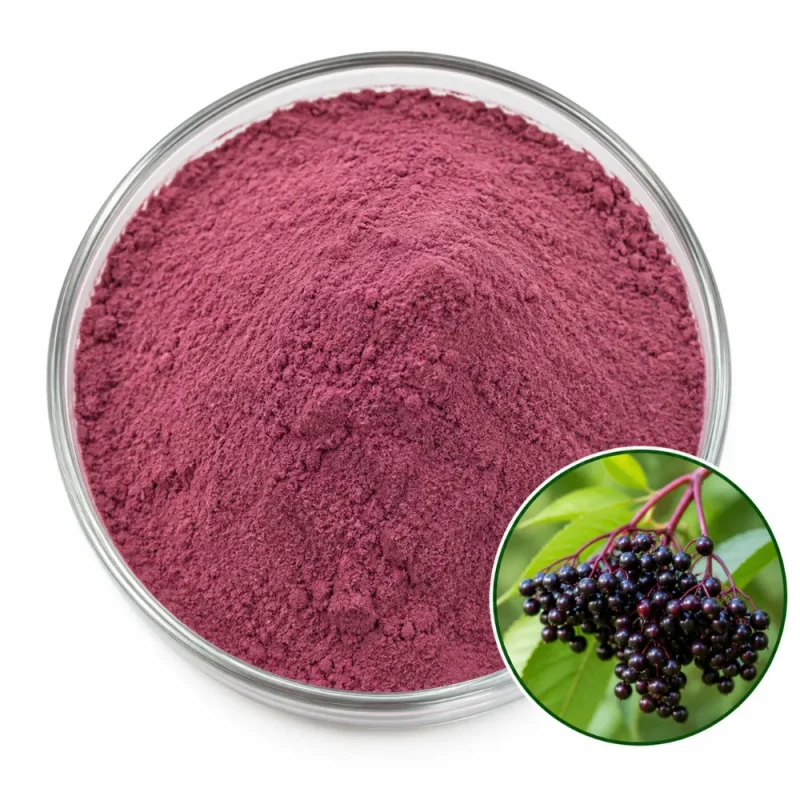
The species is Sambucus nigra L., European or black elder, a deciduous shrub of the moschatel family (Viburnaceae in current classification, earlier placed in honeysuckle). Several relatives are sold under the “elderberry” name. American elder, Sambucus canadensis, is a close New World relative, and dwarf elder, Sambucus ebulus, is a different plant that is not a food crop. The black berries of S. nigra are the traded fruit; elderflower is a distinct ingredient.
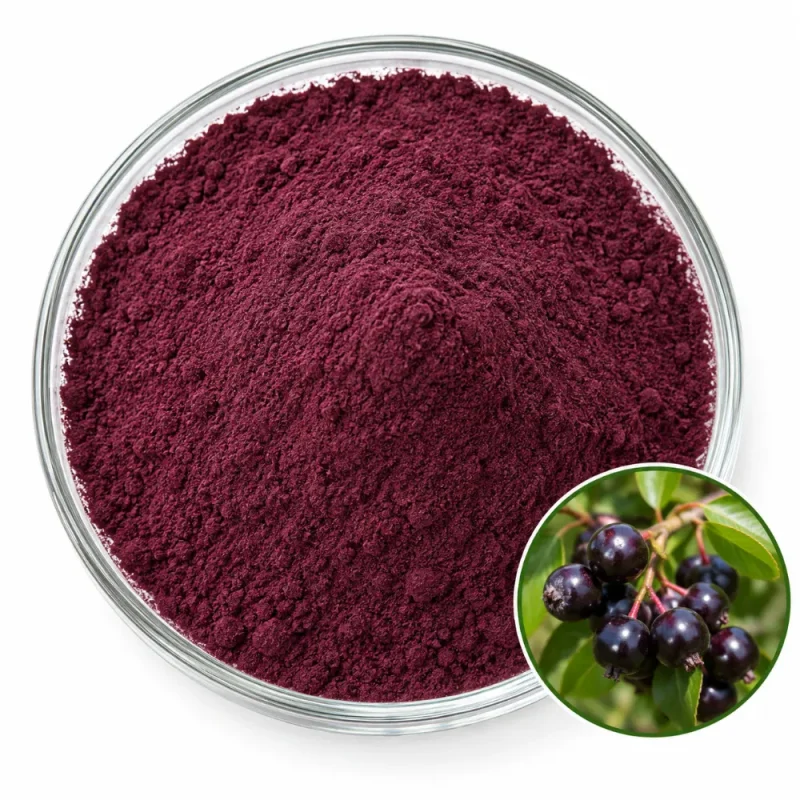
Raw elderberries and other parts of the shrub contain cyanogenic compounds, which heating reduces, so the berries are pressed and cooked in normal processing. The raw material here is elderberry juice concentrate. It is blended with maltodextrin and atomized in a spray dryer. The carrier produces a soluble, free-flowing powder, and it lightens the very dark juice color to a purple red while softening the astringency of the pressed berries.
Berries are harvested in late summer when the umbels hang heavy and the fruit is fully black. Ripeness matters, since green or red berries are sharper and carry more of the compounds that processing is meant to reduce. The juice concentrate used here comes from fully ripe fruit, and whole-berry fiber, skins and seeds are removed in pressing, which is why the powder dissolves clearly and leaves little sediment.