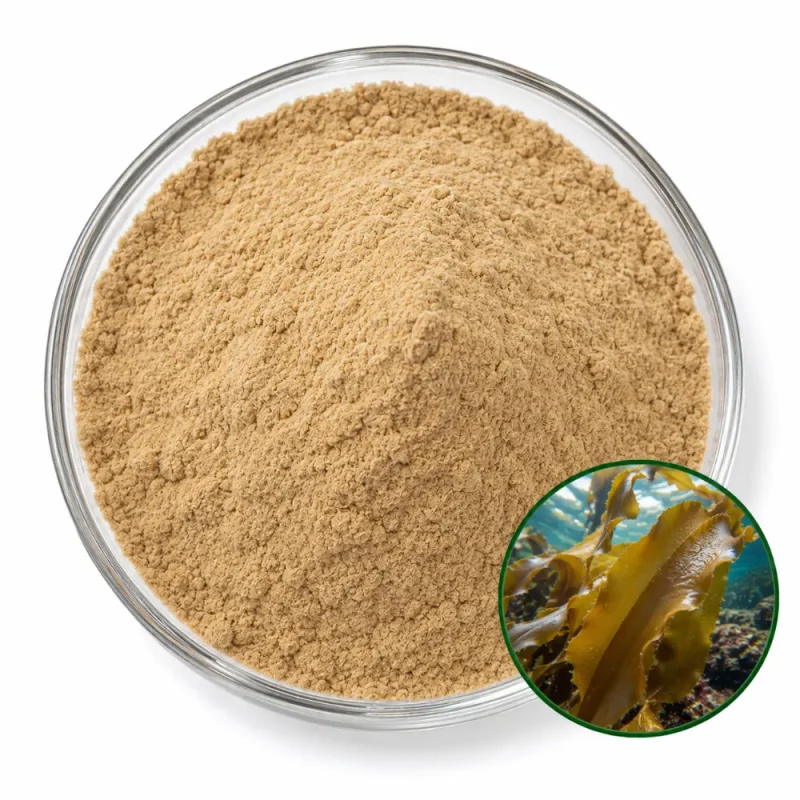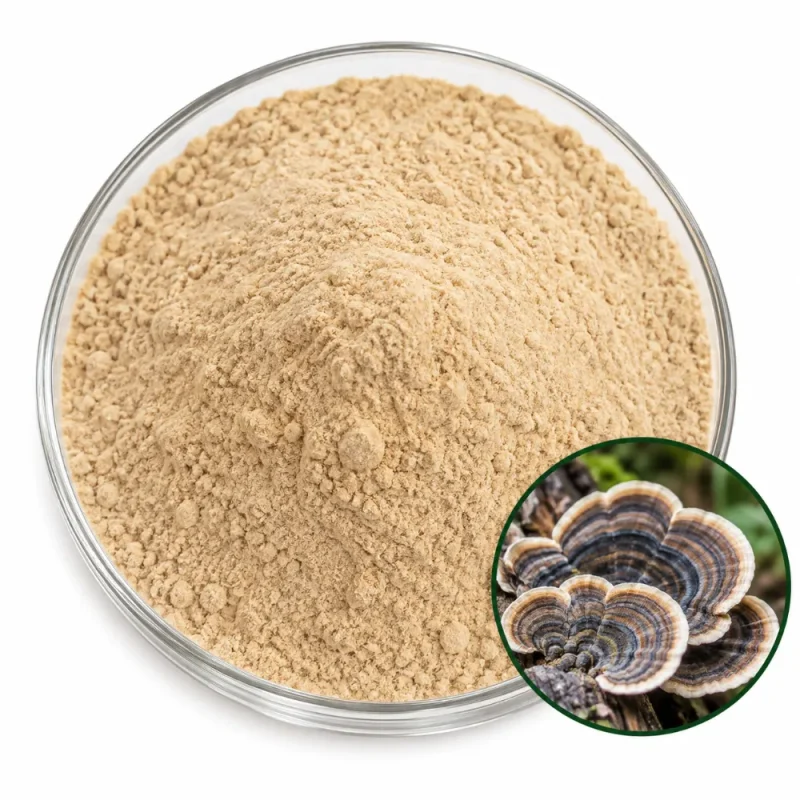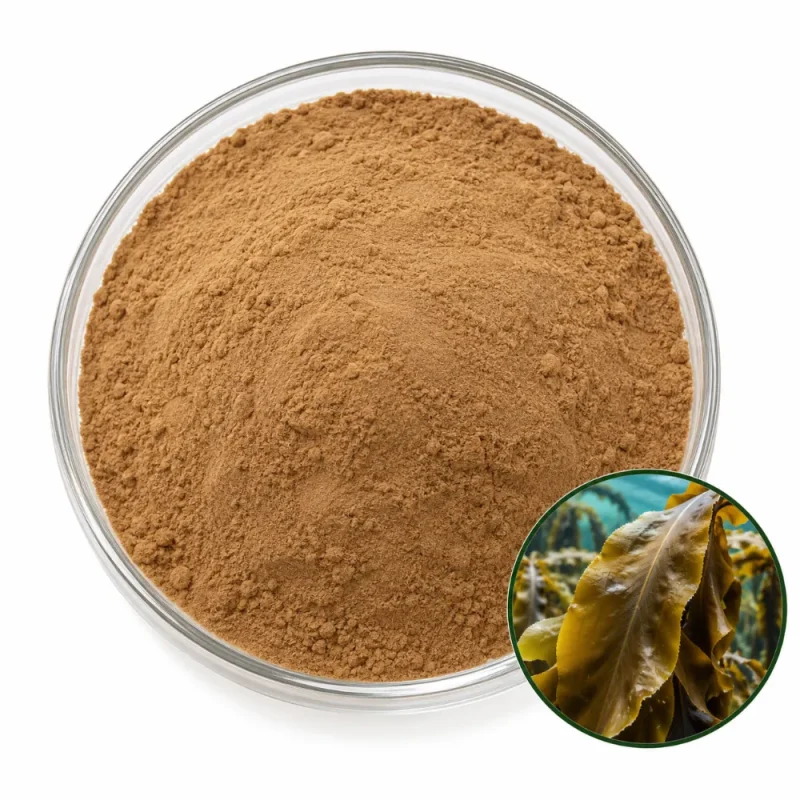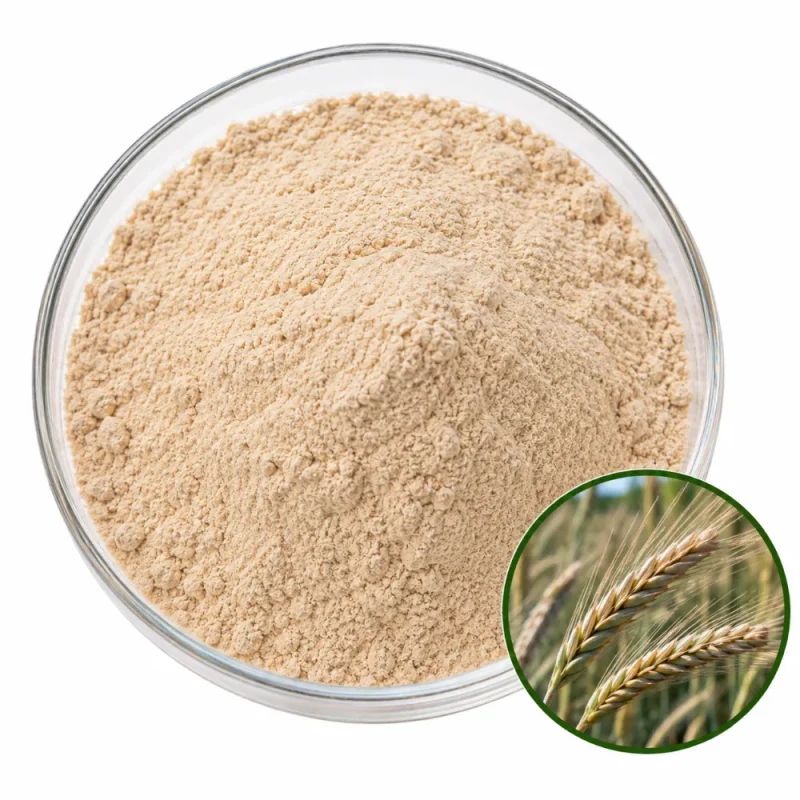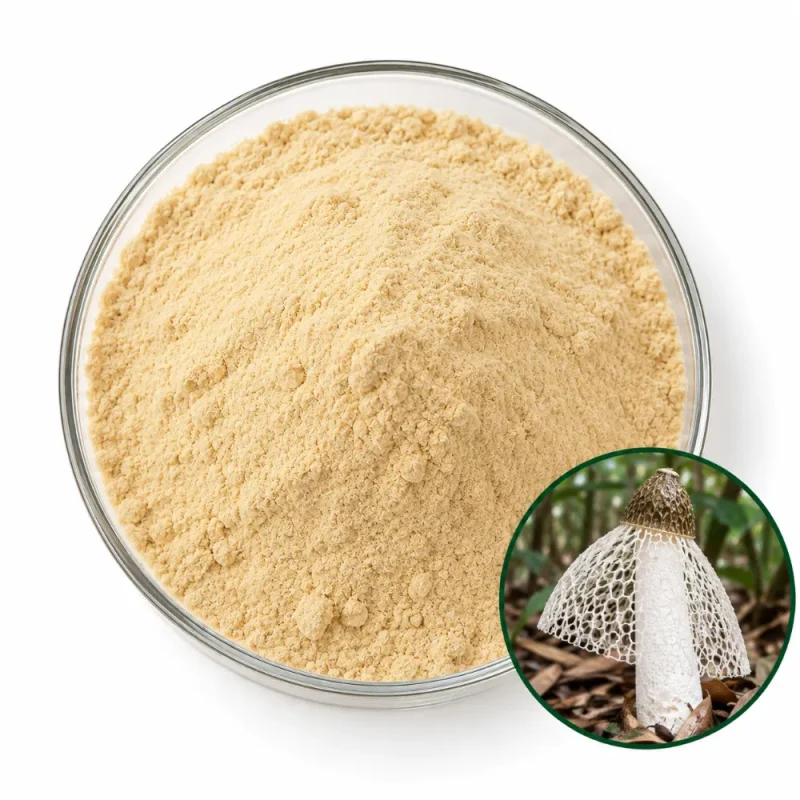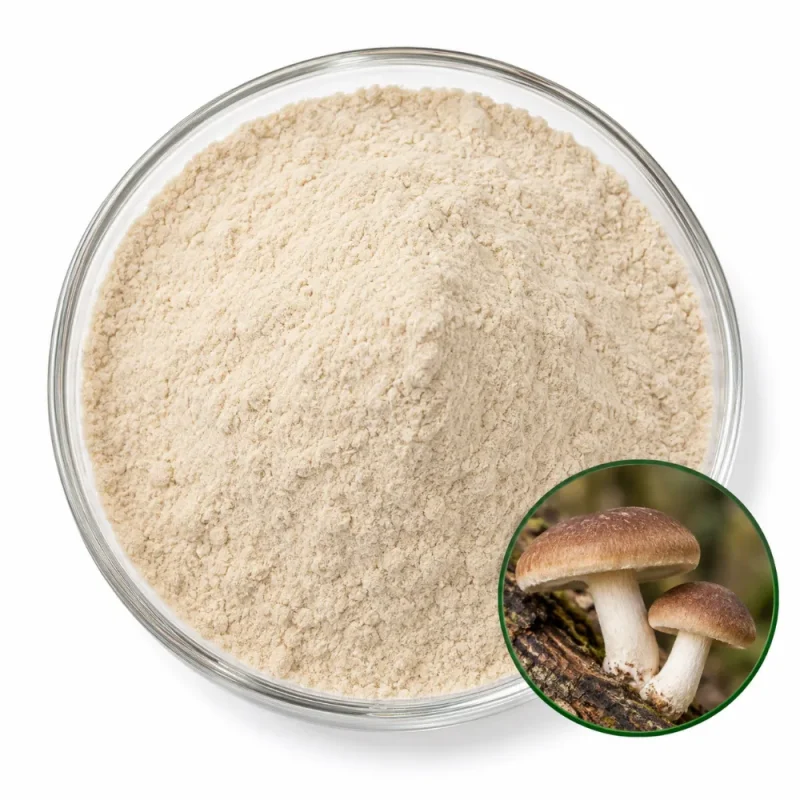
Grifola frondosa Polysaccharide Powder

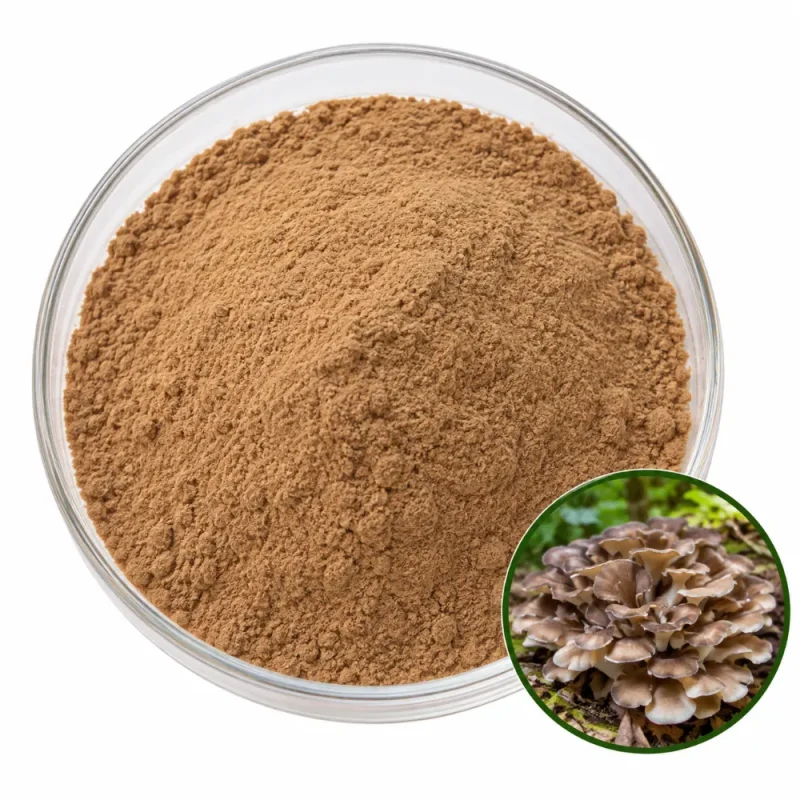
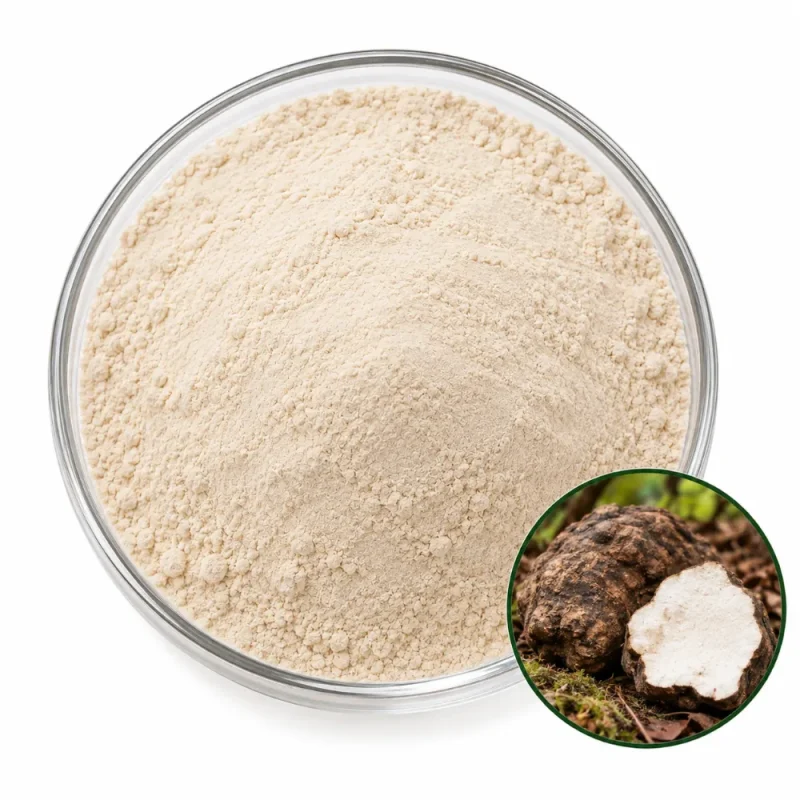
Hot-water extraction of the Grifola frondosa fruiting body gives this polysaccharide powder, the branched β-glucan and glucan-protein fraction of maitake, separated from the mushroom’s earthy flavor and its chitin-rich wall. It is purified, dried and milled to a fine light yellow powder that dissolves in water.

Polysaccharide content is ≥30% by UV-Vis (phenol–sulfuric, as glucose), moisture and total ash are each ≤5.0%, and the powder is milled to 80 mesh. It is supplied for dietary supplements, functional beverages and functional foods, and the percentage is quoted with its method.

Grifola frondosa Polysaccharide Identity

Grifola frondosa polysaccharide powder is made from the fruiting body of Grifola frondosa (Dicks.) Gray, maitake or hen-of-the-woods, a clustered, overlapping, frond-like mushroom that grows at the base of hardwoods such as oak. Grifola frondosa fruiting body is the part used. Culture broth and mycelium are separate materials and are not included.

The polysaccharides of maitake have been studied for decades, and the best-known are branched β-glucans in which β-(1→3) and β-(1→6) linkages are combined. Some fractions are described as β-(1→6) chains with β-(1→3) branches and others as the reverse, and several are protein-bound. The fruiting body also holds glycogen, an α-glucan, and its cell wall contains chitin.

Hot-water extraction of Grifola frondosa brings the soluble and swellable polymers into solution and ethanol precipitation concentrates them. Because maitake fractions are protein-bound in part, the powder holds some peptide as well as carbohydrate, and its nitrogen content is not zero. Fraction names used in the literature belong to particular research preparations and are not applied to this powder.

Cultivated maitake is grown on sawdust blocks and harvested as whole clusters, which are dried and sorted before extraction. Cluster density and moisture at harvest change the dry weight reaching the extractor, so the finished percentage is checked on the purified powder and not on the raw mushroom.

Related maitake products differ in form. Maitake Mushroom Powder is the milled fruiting body and Maitake Mushroom Extract Powder is a ratio extract, neither specified by a carbohydrate assay.
Polysaccharide Content & Test Method

Grifola frondosa carries its sugar in more than one form, and the stated figure, polysaccharides ≥30% by UV-Vis, counts all of it. Hot sulfuric acid hydrolyses each polymer, phenol turns the released sugars into a colored product, and absorbance is compared with glucose, so the value is a glucose equivalent.

Glycogen and β-glucan release the same glucose, so a UV-Vis percentage cannot say how much of the carbohydrate is β-glucan. A maitake extract at 30% by UV-Vis can contain a smaller β-glucan share, and a β-glucan figure comes only from an enzymatic method that subtracts α-glucan from total glucan, which is not claimed for this grade.

Protein-bound fractions add a further caution. The protein part does not react with the carbohydrate reagent, so a sample can show a modest sugar value and still be rich in glucan-protein complexes. Gravimetric precipitate weights would include that protein. The grade is specified by UV-Vis only, and values should be compared only with other UV-Vis results.

Fruiting bodies are also variable in water content. Maitake clusters are dense and hold moisture deep inside, so drying is slow and uneven, and incompletely dried clusters carry more moisture than their appearance suggests. Extraction therefore starts from fully dried, sorted material, and the stated percentage is measured on the purified powder.

Typical Specifications

Specification ItemProduct Information
Latin NameGrifola frondosa
Plant PartMushroom & Fungi
ProcessingWater Extraction & Purification
Common NameMaitake (hen-of-the-woods)
Ingredient TypePolysaccharide Extract
Polysaccharide TypeBranched β-glucans (β-1,3/β-1,6) and glucan-protein complexes
ContentPolysaccharides ≥30% (UV-Vis, as glucose)
AppearanceLight Yellow powder
Solubility / DispersibilityWater Soluble
Quality Parameters
Moisture≤5.0% (LOD)
Total Ash≤5.0%
Particle Size80 mesh
Heavy MetalsLead ≤2 ppm · Arsenic ≤1 ppm · Cadmium ≤1 ppm · Mercury ≤0.1 ppm
MicrobiologyTPC ≤1,000 cfu/g · Yeast & Mold ≤100 cfu/g · E. coli Negative · Salmonella Negative/25 g
Shelf Life24 months in unopened original packaging, cool and dry storage

Grifola frondosa Polysaccharide Solution Behavior

Grifola frondosa polysaccharide goes into warm water as a pale yellow solution with a little haze. The branched glucans swell and the protein-bound fractions add a little body, so the liquid is mildly viscous at normal levels and does not gel. Cold water dissolves the powder more slowly, and sifting it into a stirred vortex prevents lumps.

The β-glucan backbone of Grifola frondosa tolerates standard pasteurization and mildly acidic drinks. Strong acid with extended boiling shortens the chains, and enzymes in unpasteurized juice bases can lower viscosity over time. Protein remaining on the polymer can brown with reducing sugars, so hot-filled sweetened drinks darken faster than dry blends.

Polyphenols from tea or fruit bases can bind to the protein part and add haze, so strongly tannic bases need a trial at the intended concentration. The earthy, slightly woody aroma of Grifola frondosa is largely lost in extraction, and the powder retains only a faint trace.

Hold-time tests are the best guide. A cold, neutral drink holds clarity and body through normal storage, and a warm acidic one slowly thins. The powder is hygroscopic and cakes in open air. No viscosity values are stated for this grade.

In use, the visual cue is haze. A freshly stirred solution is nearly clear and clouds slightly as the swollen glucans disperse, then stays stable for hours. Grifola frondosa polysaccharide does not sediment in normal drinks, and a quick stir restores any light haze that settles in the cold.

Application Areas

Mushroom Fraction Capsules

Grifola frondosa polysaccharide fits capsules beside other fungal fractions with only a faint earthy note. A flow agent keeps the powder from bridging in the hopper through long runs, and fill weight is verified at both ends of the run.

Warm Beverage Powders

In powders for hot water, the polysaccharide dissolves quickly and adds slight body. Strong coffee or tea bases can bind the protein part and cause haze, so brew strength and polysaccharide level are trialed together.

Dry Soup and Broth Mixes

Savory dry mixes can include the powder at small levels for body after reconstitution. It does not add flavor, so seasoning comes from salt and herbs, which do not interfere with the glucan. The finished mix is tasted after reconstitution to confirm the seasoning still balances.

Stick-Pack Blends

Sachets that pair the powder with sweetener or fiber hydrate evenly and avoid lumps. A barrier laminate prevents caking before use, and a flow check avoids bridging in the sachet hopper. Dose weight is verified on samples from the start, middle and end of the run.

Tablet Granulates

Tablets compress with common fillers after dry granulation. Wet granulation gels the surface and prolongs drying, so granules are dried to a controlled endpoint and hardness is rechecked after humid storage. Disintegration time is recorded at the same point.

Packaging & Commercial Supply

Essencefield supports product evaluation, formulation trials, commercial orders, and ongoing ingredient supply. Packaging, storage, and shipping arrangements are determined by product characteristics, order quantity, stability requirements, and destination-market needs.

Supply ItemGeneral Information
SampleAvailable upon request for formulation, testing, and supplier evaluation
Order Quantities100 g · 1 kg · 5 kg · 25 kg · 100 kg · 500 kg · Bulk
Sample Lead TimeTypically 5–7 days after sample confirmation
Production Lead TimeTypically 15–30 days after order and specification confirmation
PackagingSuitable protective inner packaging with bags, cartons, drums, or other appropriate outer packaging
StorageStore in tightly sealed, suitable protective packaging in a cool, dry environment. Protect from moisture, heat, and direct sunlight. Specific storage conditions follow the approved product specification.
DocumentationCOA · Product Specification · TDS · SDS · Applicable declarations (as applicable)

Final order quantities, lead times, packaging, documentation, and shipping arrangements are confirmed according to the selected product and commercial requirements.

Request Ingredient Specifications & Quote

Share your target specification, application, quantity, and documentation needs. We’ll help confirm suitable options, samples, and commercial supply details.