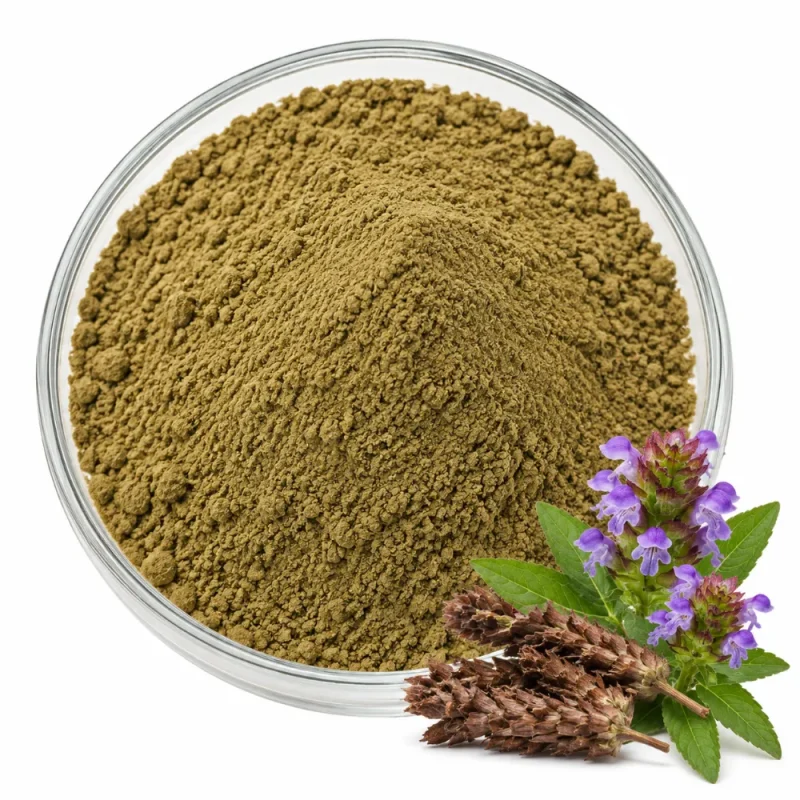
Selfheal (Prunella) Powder

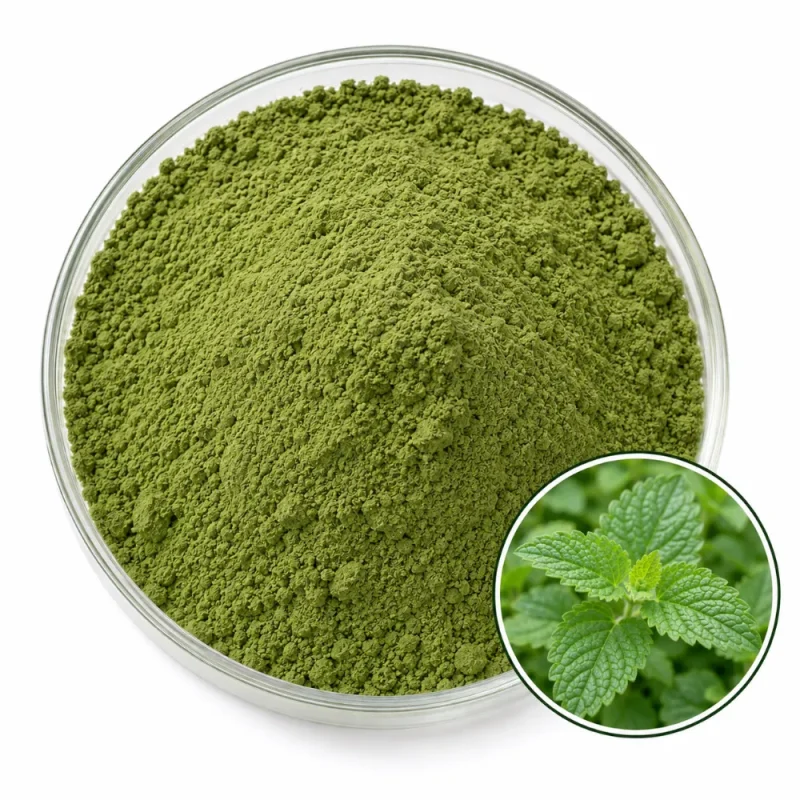
Selfheal, the low creeping mint-family herb Prunella vulgaris known as xia ku cao, is cut with its flowering spikes, dried and milled into this light brown powder with a mild, bitter and slightly astringent character. The aerial parts are used, so the root and the runners of the plant are not in the material.

Selfheal powder is supplied at 80 mesh, with 40, 60 and 100 mesh optional, and has a faint, herbal odor with a bitter, lightly astringent taste. It is raw milled herb rather than an extract, so inclusion rates are higher and the fibrous, spike-rich character of the herb is kept in the product.

Prunella vulgaris Raw Material & Plant Part

The botanical name is Prunella vulgaris L., family Lamiaceae, known as selfheal, heal-all or xia ku cao. The raw material is the dried aerial part of the plant, meaning the leaf, the square stem and the characteristic flower spike, cut in summer when the spikes turn brownish, dried and milled. Roots and runners are not included.

Selfheal is a common plant and not the only member of its genus. Other Prunella species, such as Prunella grandiflora, are used in horticulture and in regional herb trade, and the species name is what defines this ingredient. The name selfheal is also used loosely for other plants in folk herbalism, so the botanical name and the aerial part are given together in the specification.

The herb is known for phenolic acids, above all rosmarinic acid, for triterpenoid acids such as ursolic and oleanolic acid, for flavonoids and for polysaccharides that are found mainly in the spike.

In the dried herb, the flower spikes are dense, cylindrical and brownish, and they give the powder its light brown color and a slightly woody texture. The leaves and stems add green-brown fibers, and the powder is therefore a mix of tones rather than a uniform color.

Harvest follows the spikes. The plant is cut in summer when the flower spikes turn brownish, and the herb is dried quickly in thin layers to prevent molding. The spikes are the most tannic part, so a cut with many spikes gives a darker, more astringent selfheal powder than a leafy cut.
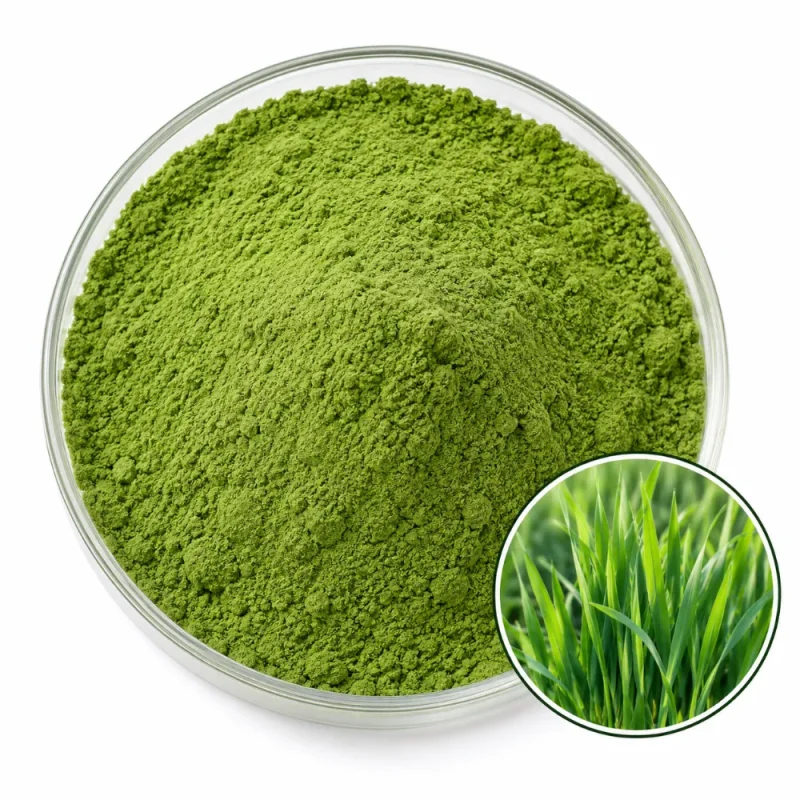
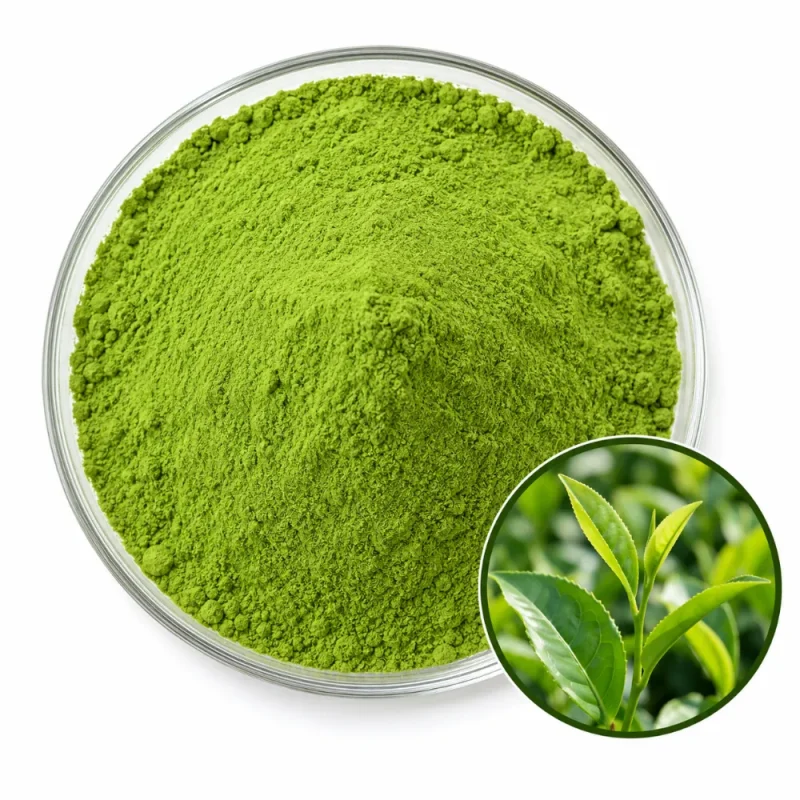
Selfheal (Prunella) Powder vs Extract

FormWhat It IsChoose It When
Selfheal PowderMilled dried aerial parts with their spikes and fiberWhole-herb inclusion in teas and dry blends
Selfheal Extract PowderWater-extracted herb with the fiber removedA soluble format at a lower inclusion rate
Prunella Vulgaris Extract 2–10% Rosmarinic Acid / 10–50% TriterpenesHerb extract standardized to two marker rangesDefined phenolic and triterpene contents are required

The herb powder keeps the fiber, the spike tissue and the full constituent profile at their natural, lower concentration. Inclusion rates are higher than for an extract, the taste is bitter and mildly astringent, and the powder only disperses in liquids.

The extract powder concentrates the water-soluble phenolics and dissolves more easily, while the standardized extract is built around two defined markers, one phenolic and one triterpenoid. The triterpenoid acids dissolve poorly in water, which is why a water extract and a marker-standardized extract are not the same thing. Choose selfheal powder when the whole herb is the specification.

In practice, a drink made from the powder is cloudy and fibrous, and a drink made from the extract is clearer and amber. Dry blends, teas and capsules use the powder, and clear drinks use the extract.

A dry blend is also easier to judge by eye than a liquid one. The brown spikes and green leaves are visible in the coarse grades, which allows a quick check of the spike share, while the extract powder is uniform in color and gives no such cue.

Typical Specifications

Specification ItemProduct Information
Latin NamePrunella vulgaris
Plant PartLeaf & Herb
ProcessingMilled
Common NameSelfheal, heal-all, xia ku cao
Raw MaterialDried aerial parts (with flower spikes)
Ingredient TypeMilled Powder
AppearanceLight Brown powder (natural color of the dried material)
Odor & TasteFaint herbal odor; bitter, lightly astringent taste
Solubility / DispersibilityWater Dispersible
Quality Parameters
Moisture (LOD)≤8.0%
Particle Size80 mesh (40 / 60 / 100 mesh optional)
Heavy MetalsLead ≤2 ppm · Arsenic ≤1 ppm · Cadmium ≤1 ppm · Mercury ≤0.1 ppm
MicrobiologyTPC ≤10,000 cfu/g · Yeast & Mold ≤1,000 cfu/g · E. coli Negative · Salmonella Negative/25 g
Shelf Life24 months in unopened original packaging, cool and dry storage

Application Areas

Herbal tea and cooling-style drink bases

Selfheal powder is a traditional component of herbal tea blends and sweetened drink bases with chrysanthemum, honeysuckle or licorice. A coarse 40 or 60 mesh grade stays in the bag, and sweet partners soften the bitterness of the spikes.

Capsule and tablet blends

Fills use the powder as a fibrous, brownish material with a bitter taste. The shell or coating hides the flavor, flow is moderate, and a binder is needed for tablets because the spike fiber compresses poorly.

Dry herbal soup mixes

Soup mixes with pork-free or vegetable bases use the powder for a bitter herbal background. The spikes release phenolic compounds slowly in hot water, so the soup is simmered gently, and the fiber is strained or left to settle.

Powder sticks with sweet fruit bases

Powder sticks combine selfheal with dried fruit, honey or malt powders. The sweet base covers the bitterness, and the fine mesh disperses better, although the fiber settles quickly and the cup is stirred before drinking.

Handling & Blending Notes

Selfheal powder is made of leaf, stem and spike tissue of different density. The mixture can separate on vibration, with the dense spike fraction settling to the bottom, so blending times are kept short and the finished premix is sampled from several points to confirm even distribution.

The herb takes up moisture from the air and clumps in open bags. Barrier packaging, dry weighing areas and quick resealing preserve the flow, and clumped material is screened out and not forced through the line. Fine dust irritates the nose when airborne, and local extraction at the scoop keeps it out of the room.

The phenolic acids darken in the presence of iron and with alkaline liquids, so stainless steel equipment and trials at the finished pH are used for liquid formats. Light and heat gradually dull the color and the aroma, so opaque packs and a cool store protect the powder. Opened containers are resealed at once and used within a short time.

Selfheal powder is stored in sealed liners inside cartons, in a cool and dry place, and opened packs are used within a short period. The polyphenols darken slowly in air, so a half-used pack kept open for weeks turns visibly browner.

Packaging & Commercial Supply

Essencefield supports product evaluation, formulation trials, commercial orders, and ongoing ingredient supply. Packaging, storage, and shipping arrangements are determined by product characteristics, order quantity, stability requirements, and destination-market needs.

Supply ItemGeneral Information
SampleAvailable upon request for formulation, testing, and supplier evaluation
Order Quantities100 g · 1 kg · 5 kg · 25 kg · 100 kg · 500 kg · Bulk
Sample Lead TimeTypically 5–7 days after sample confirmation
Production Lead TimeTypically 15–30 days after order and specification confirmation
PackagingSuitable protective inner packaging with bags, cartons, drums, or other appropriate outer packaging
StorageStore in tightly sealed, suitable protective packaging in a cool, dry environment. Protect from moisture, heat, and direct sunlight. Specific storage conditions follow the approved product specification.
DocumentationCOA · Product Specification · TDS · SDS · Applicable declarations (as applicable)

Final order quantities, lead times, packaging, documentation, and shipping arrangements are confirmed according to the selected product and commercial requirements.

Request Ingredient Specifications & Quote

Share your target specification, application, quantity, and documentation needs. We’ll help confirm suitable options, samples, and commercial supply details.